-
Shop
- Advanced Technologies
- AI Skills Mastery 2026 Collection
- Beauty
- Best-Sellers
- Calvin Klein
- Car Accessories
- Car Buying & Ownership
- Dating & Social Confidence
- Dating & Social Skills
- Denim
- 7FOR
- AGOLDE
- Antony Morato
- Armani Exchange
- Boss
- Brunello Cucinelli
- Calvin Klein Jeans
- Costume National
- Desigual
- Diesel
- Dolce & Gabbana
- Dsquared²
- Ermanno Scervino
- Fendi
- Gianni Lupo
- Guess Jeans
- Ichi
- Just Cavalli
- Lee
- Levi's
- Liu Jo
- Morgan De Toi
- Mother Denim
- Only
- Pepe Jeans
- Pinko
- Replay
- Tommy Hilfiger Jeans
- Valentino
- Vero Moda
- Digital Resources
- Education & Learning
- Family & Parenting
- Fashion
- Alexander McQueen
- Bags & Wallets
- Balenciaga
- Belts
- Bottega Veneta
- Brunello Cucinelli
- Burberry
- Chanel
- Chloé
- Dior
- Dolce & Gabbana
- Etro
- Fendi
- Gucci
- Hats & Hair Accessories
- Jacquemus
- Jewelry
- Jil Sander
- Jimmy Choo
- Keychains
- Kiton
- Miu Miu
- Off-White
- Prada
- Rick Owens
- Saint Laurent
- Shoes
- Socks & Tights
- Sunglasses
- The Row
- Tom Ford
- Valentino
- Valentino Garavani
- Versace
- Vivienne Westwood
- Watches
- Fashion & Style
- Fashion Accessories
- Financial Education
- Find Your Path Collection
- Fitness
- Furniture
- Gadgets
- Health & Beauty
- Health & Wellness
- Home & Garden
- Home & Kitchen
- Home Styling & Organization
- Home Supplies
- Kids & Babies
- Kitchen
- Lighting
- Nike
- Online Business
- Online Business for Beginners
- Parenting
- Patio, Lawn & Garden
- Personal Growth
- Pet Care
- Pet Supplies
- Pets
- Smart Life with IA
- Sport & Outdoors
- Super Deals
- Travel
- Wealth
- Wealth Building
- Wellness
- YouTube Shorts Best-Sellers
- Popular
- Best deals
Cartoon Animals Inspired by Real Species: Top Examples
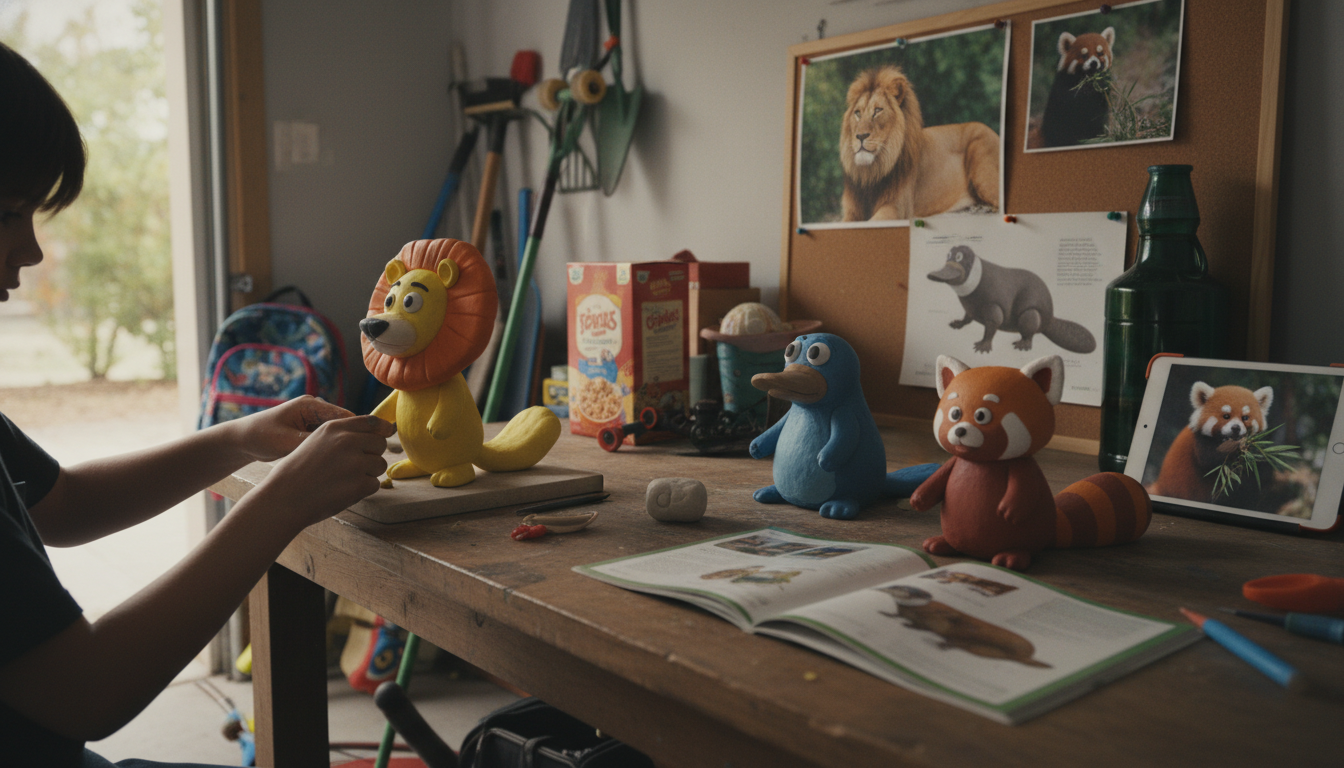
What cartoon animal is based on a real animal?
Plenty of beloved cartoon animals are directly inspired by real species—sometimes with only a few exaggerated features, and sometimes with almost documentary-level accuracy. The easiest way to spot one is to look for a clear, recognizable body shape or behavior that matches an animal you could see at a zoo, in the ocean, or even in your own backyard.
Cartoon animals that closely match real-life species
Penguins are a great example because their tuxedo coloring, waddling walk, and flipper-like wings translate cleanly into animation. Whether the character is comedic or heroic, the silhouette still screams “penguin.”
Sea turtles also tend to stay true to life: a domed shell, paddle-shaped flippers, and calm, gliding movement. Artists may add bigger eyes or a friendlier face, but the anatomy remains unmistakable.
Red pandas have become a standout in modern cartoons because their real-world look already feels “designed”: rust-colored fur, a ringed tail, and a mask-like face pattern. Many animated red pandas simply amplify fluffiness and expressions while keeping the species identifiable.
Frogs are another classic. Their wide mouths, powerful back legs, and quick hops are simple to stylize without losing the core “frog” traits. Even when dressed in clothes, they’re still clearly amphibians.
Why real animals work so well in cartoons
Real animals come with built-in visual cues—patterns, proportions, and movement—that help viewers recognize them instantly. Animators often keep a few signature details (like stripes, shells, or distinctive tails) and then tweak features such as eye size, facial expressions, and posture to boost personality.
A quick everyday example: cute animal designs at home
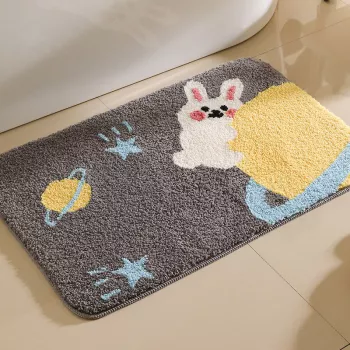
That same “recognizable but friendlier” approach shows up in home products, too. If you like playful animal designs that still feel familiar, take a look at this guide to cute cartoon animal non-slip bathroom mat safety: https://luxian.shop/blog/guide-cute-cartoon-animal-non-slip-bathroom-mat-safety/.
FAQ
Why do cartoon animals often have bigger eyes than real animals?
Bigger eyes make emotions easier to read and help characters look friendlier. It’s a simple way to increase expressiveness without changing the animal’s core shape.















Leave a comment