-
Shop
- Advanced Technologies
- AI Skills Mastery 2026 Collection
- Beauty
- Best-Sellers
- Calvin Klein
- Car Accessories
- Car Buying & Ownership
- Dating & Social Confidence
- Dating & Social Skills
- Denim
- 7FOR
- AGOLDE
- Antony Morato
- Armani Exchange
- Boss
- Brunello Cucinelli
- Calvin Klein Jeans
- Costume National
- Desigual
- Diesel
- Dolce & Gabbana
- Dsquared²
- Ermanno Scervino
- Fendi
- Gianni Lupo
- Guess Jeans
- Ichi
- Just Cavalli
- Lee
- Levi's
- Liu Jo
- Morgan De Toi
- Mother Denim
- Only
- Pepe Jeans
- Pinko
- Replay
- Tommy Hilfiger Jeans
- Valentino
- Vero Moda
- Digital Resources
- Education & Learning
- Family & Parenting
- Fashion
- Alexander McQueen
- Bags & Wallets
- Balenciaga
- Belts
- Bottega Veneta
- Brunello Cucinelli
- Burberry
- Chanel
- Chloé
- Dior
- Dolce & Gabbana
- Etro
- Fendi
- Gucci
- Hats & Hair Accessories
- Jacquemus
- Jewelry
- Jil Sander
- Jimmy Choo
- Keychains
- Kiton
- Miu Miu
- Off-White
- Prada
- Rick Owens
- Saint Laurent
- Shoes
- Socks & Tights
- Sunglasses
- The Row
- Tom Ford
- Valentino
- Valentino Garavani
- Versace
- Vivienne Westwood
- Watches
- Fashion & Style
- Fashion Accessories
- Financial Education
- Find Your Path Collection
- Fitness
- Furniture
- Gadgets
- Health & Beauty
- Health & Wellness
- Home & Garden
- Home & Kitchen
- Home Styling & Organization
- Home Supplies
- Kids & Babies
- Kitchen
- Lighting
- Nike
- Online Business
- Online Business for Beginners
- Parenting
- Patio, Lawn & Garden
- Personal Growth
- Pet Care
- Pet Supplies
- Pets
- Smart Life with IA
- Sport & Outdoors
- Super Deals
- Travel
- Wealth
- Wealth Building
- Wellness
- YouTube Shorts Best-Sellers
- Popular
- Best deals
Cat Litter and Sinus Infections: Irritation, Triggers, Fixes
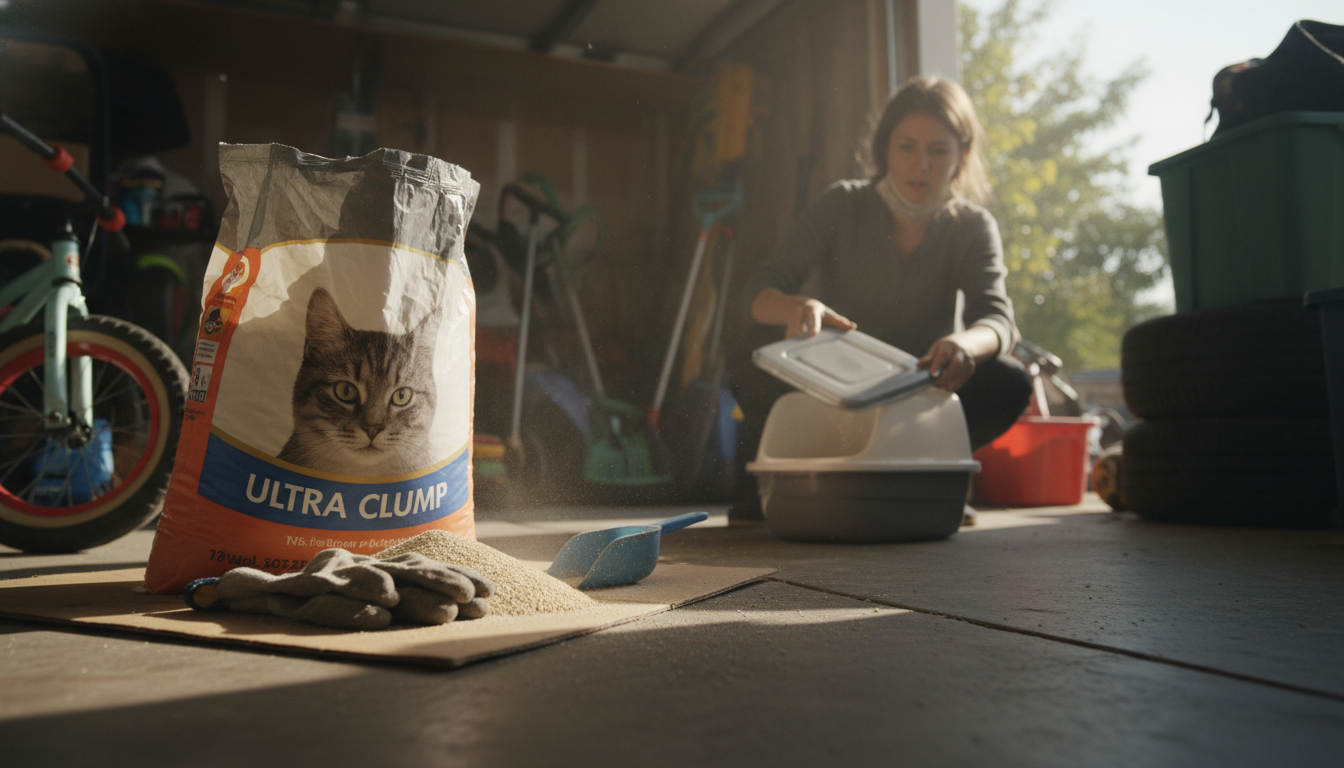
Can cat litter cause sinus infections?
Cat litter itself doesn’t “cause” a sinus infection the way a virus or bacteria does, but it can irritate your nasal passages and make you more likely to develop sinus trouble. The dust from some clay litters, plus ammonia from urine and strong fragrances, can inflame the lining of the nose and sinuses. When that lining is irritated or swollen, drainage can be blocked, creating a better environment for a secondary infection to take hold.
People with allergies, asthma, chronic sinusitis, or a sensitive respiratory system are usually the first to notice symptoms after scooping or pouring litter. You might experience congestion, post-nasal drip, facial pressure, watery eyes, sneezing, or a burning sensation in the nose. If symptoms improve when you’re away from the litter area and flare up during litter changes, irritation is a likely trigger.
What in cat litter can trigger sinus symptoms?
Dust is the biggest culprit. Fine particles kicked up when refilling, scooping, or when a cat digs can travel into the nose and throat. Added fragrances may also trigger allergic-type reactions. On top of that, ammonia odor from urine can act like a chemical irritant, especially in small or poorly ventilated spaces.
How to reduce sinus irritation from cat litter
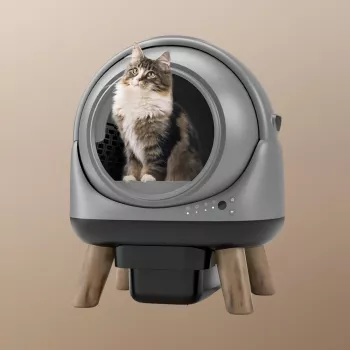
Choose a low-dust, unscented litter, and pour it slowly to reduce airborne particles. Keep the box in a well-ventilated area and clean it frequently so ammonia doesn’t build up. Wearing a mask while changing litter and washing hands afterward can also help. For households that struggle with odor and airborne dust, a covered, well-designed setup and consistent cleaning routine can make a noticeable difference; see additional tips in this guide: https://luxian.shop/blog/guide-g1-smart-self-cleaning-litter-box-odor-control-safety-sensors/.
When to contact a healthcare professional
Seek care if you have severe facial pain, fever, symptoms lasting more than 10 days, worsening after initial improvement, or breathing issues. Also talk to a clinician if you’re immunocompromised or pregnant, or if symptoms are recurrent and clearly linked to litter exposure.
FAQ
What type of cat litter is best for people with allergies?
Low-dust, unscented litter is usually the safest choice for sensitive noses. Many people do better with options specifically labeled “low tracking” and “99% dust-free,” combined with frequent box cleaning to reduce ammonia.













Leave a comment