-
Shop
- Advanced Technologies
- AI Skills Mastery 2026 Collection
- Beauty
- Best-Sellers
- Calvin Klein
- Car Accessories
- Car Buying & Ownership
- Dating & Social Confidence
- Dating & Social Skills
- Denim
- 7FOR
- AGOLDE
- Antony Morato
- Armani Exchange
- Boss
- Brunello Cucinelli
- Calvin Klein Jeans
- Costume National
- Desigual
- Diesel
- Dolce & Gabbana
- Dsquared²
- Ermanno Scervino
- Fendi
- Gianni Lupo
- Guess Jeans
- Ichi
- Just Cavalli
- Lee
- Levi's
- Liu Jo
- Morgan De Toi
- Mother Denim
- Only
- Pepe Jeans
- Pinko
- Replay
- Tommy Hilfiger Jeans
- Valentino
- Vero Moda
- Digital Resources
- Education & Learning
- Family & Parenting
- Fashion
- Alexander McQueen
- Bags & Wallets
- Balenciaga
- Belts
- Bottega Veneta
- Brunello Cucinelli
- Burberry
- Chanel
- Chloé
- Dior
- Dolce & Gabbana
- Etro
- Fendi
- Gucci
- Hats & Hair Accessories
- Jacquemus
- Jewelry
- Jil Sander
- Jimmy Choo
- Keychains
- Kiton
- Miu Miu
- Off-White
- Prada
- Rick Owens
- Saint Laurent
- Shoes
- Socks & Tights
- Sunglasses
- The Row
- Tom Ford
- Valentino
- Valentino Garavani
- Versace
- Vivienne Westwood
- Watches
- Fashion & Style
- Fashion Accessories
- Financial Education
- Find Your Path Collection
- Fitness
- Furniture
- Gadgets
- Health & Beauty
- Health & Wellness
- Home & Garden
- Home & Kitchen
- Home Styling & Organization
- Home Supplies
- Kids & Babies
- Kitchen
- Lighting
- Nike
- Online Business
- Online Business for Beginners
- Parenting
- Patio, Lawn & Garden
- Personal Growth
- Pet Care
- Pet Supplies
- Pets
- Smart Life with IA
- Sport & Outdoors
- Super Deals
- Travel
- Wealth
- Wealth Building
- Wellness
- YouTube Shorts Best-Sellers
- Popular
- Best deals
Catastrophic Thinking vs Realistic Planning: Key Differences
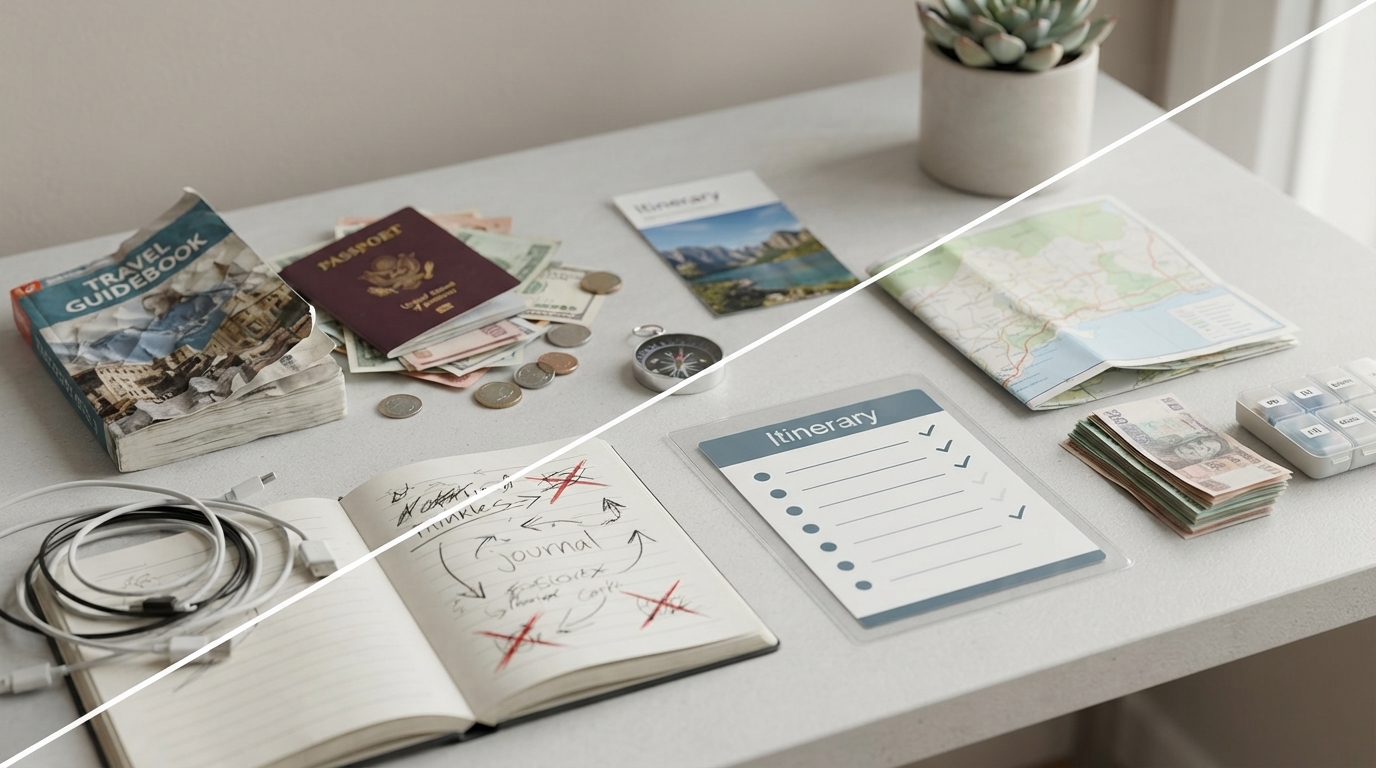
What’s the difference between catastrophic thinking and realistic planning?
Answer
Catastrophic thinking is when the mind treats a feared outcome as if it’s likely, imminent, and unmanageable—often jumping from a small uncertainty to a worst-case conclusion. It usually sounds absolute (“This will ruin everything”), feels urgent, and skips over evidence, probabilities, and workable next steps. The result is more anxiety, less clarity, and decisions driven by fear rather than facts.
Realistic planning also considers what could go wrong, but it does so in a structured, proportionate way. Instead of assuming disaster, it asks: “What’s the most likely outcome, what are a few possible setbacks, and what can I do if they happen?” Realistic planning includes specific actions, timelines, and boundaries (what’s within control vs. what isn’t). It tends to calm the nervous system because it converts vague dread into concrete options.
A quick way to tell them apart is to check for these signals:
Catastrophic thinking: high certainty about a negative outcome, low confidence in coping, broad conclusions (“always/never”), and mental replay without decisions.
Realistic planning: acknowledges uncertainty, estimates likelihood, identifies resources, and produces a simple plan (Plan A plus a small backup).
If you notice yourself spiraling, a helpful step is to “bridge” from the scary story to a more balanced thought: name the feared outcome, rate how likely it truly is, then write one reasonable next action. For a step-by-step approach to reframing anxious worst-case thoughts, see this guide on bridging thoughts and reframing catastrophic thinking.
Realistic planning doesn’t deny risk; it right-sizes it. Catastrophic thinking doesn’t prepare you; it convinces you you’re already in danger.
FAQ
How can I tell if my “what if” thoughts are anxiety or intuition?
Anxiety-driven “what ifs” feel urgent, repetitive, and focus on danger without clear evidence or next steps, while intuition is usually quieter, specific, and tied to concrete cues. If a thought gets calmer when you gather facts and make a small plan, it’s more likely anxiety than intuition.















Leave a comment