-
Shop
- Advanced Technologies
- AI Skills Mastery 2026 Collection
- Beauty
- Best-Sellers
- Calvin Klein
- Car Accessories
- Car Buying & Ownership
- Dating & Social Confidence
- Dating & Social Skills
- Denim
- 7FOR
- AGOLDE
- Antony Morato
- Armani Exchange
- Boss
- Brunello Cucinelli
- Calvin Klein Jeans
- Costume National
- Desigual
- Diesel
- Dolce & Gabbana
- Dsquared²
- Ermanno Scervino
- Fendi
- Gianni Lupo
- Guess Jeans
- Ichi
- Just Cavalli
- Lee
- Levi's
- Liu Jo
- Morgan De Toi
- Mother Denim
- Only
- Pepe Jeans
- Pinko
- Replay
- Tommy Hilfiger Jeans
- Valentino
- Vero Moda
- Digital Resources
- Education & Learning
- Family & Parenting
- Fashion
- Alexander McQueen
- Bags & Wallets
- Balenciaga
- Belts
- Bottega Veneta
- Brunello Cucinelli
- Burberry
- Chanel
- Chloé
- Dior
- Dolce & Gabbana
- Etro
- Fendi
- Gucci
- Hats & Hair Accessories
- Jacquemus
- Jewelry
- Jil Sander
- Jimmy Choo
- Keychains
- Kiton
- Miu Miu
- Off-White
- Prada
- Rick Owens
- Saint Laurent
- Shoes
- Socks & Tights
- Sunglasses
- The Row
- Tom Ford
- Valentino
- Valentino Garavani
- Versace
- Vivienne Westwood
- Watches
- Fashion & Style
- Fashion Accessories
- Financial Education
- Find Your Path Collection
- Fitness
- Furniture
- Gadgets
- Health & Beauty
- Health & Wellness
- Home & Garden
- Home & Kitchen
- Home Styling & Organization
- Home Supplies
- Kids & Babies
- Kitchen
- Lighting
- Nike
- Online Business
- Online Business for Beginners
- Parenting
- Patio, Lawn & Garden
- Personal Growth
- Pet Care
- Pet Supplies
- Pets
- Smart Life with IA
- Sport & Outdoors
- Super Deals
- Travel
- Wealth
- Wealth Building
- Wellness
- YouTube Shorts Best-Sellers
- Popular
- Best deals
Stop Pushing Furniture to the Walls: Better Room Flow
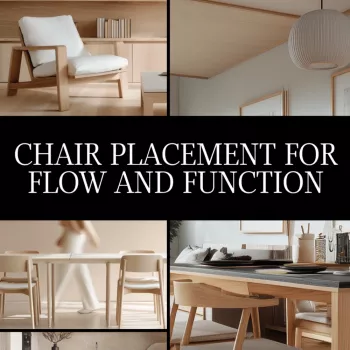
What is the biggest mistake in placement of furniture?
The biggest mistake is pushing every piece of furniture against the walls without planning how people will actually move through the room. It can feel “safe” because it opens up the center, but it often creates awkward empty zones, forces long walking paths, and leaves seating too far apart for comfortable conversation.
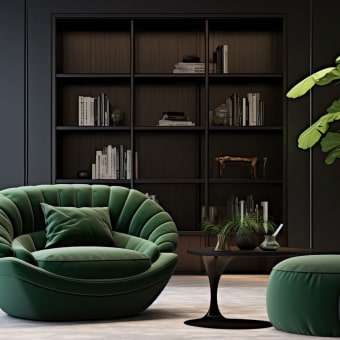
A better goal is to place furniture to support a clear flow and a clear purpose. Start by identifying the primary pathway (for example, entry to sofa, sofa to TV, or hallway to dining area). Keep that route open and consistent, then pull key pieces inwards so the layout forms an intentional zone—like a conversation group around a coffee table or a reading corner anchored by a chair and lamp.
How to avoid the wall-hugging trap
Use a “floating” anchor: a sofa pulled forward a few inches, a rug that defines the seating area, or a console table behind the sofa to make the placement look finished rather than accidental. Aim for practical spacing: enough room to walk comfortably, but close enough that the seating feels connected. If you have a focal point (TV, fireplace, picture window), orient the main seating toward it while still keeping sightlines and traffic lanes intact.
Common signs furniture is placed wrong
If guests have to zigzag around chair corners, if side tables are out of reach, or if you’re constantly shifting pieces to open a walkway, the layout is working against the room. Another red flag is when “dead space” sits in the center while the perimeter feels crowded—often a result of oversized pieces or furniture lined up wall-to-wall.
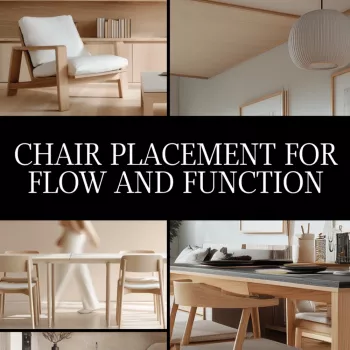
For a practical, room-by-room approach to improving circulation and comfort, see the full guide here: chair placement tips for better flow and function.
FAQ
What furniture arranging mistakes make a living room look cluttered?
Oversized pieces, too many small items, and furniture that blocks walkways are the biggest culprits. Clutter also builds when there’s no clear focal point and accessories are spread evenly across every surface.
What are some common small living room mistakes?
Pushing everything to the walls, choosing a coffee table that’s too large, and skipping multi-purpose storage are common issues. Another mistake is leaving no breathing room—tight clearances make the space feel smaller and harder to use.












Leave a comment