-
Shop
- Advanced Technologies
- AI Skills Mastery 2026 Collection
- Best-Sellers
- Calvin Klein
- Car Accessories
- Car Buying & Ownership
- Dating & Social Skills
- Denim
- 7FOR
- AGOLDE
- Antony Morato
- Armani Exchange
- Boss
- Brunello Cucinelli
- Calvin Klein Jeans
- Costume National
- Desigual
- Diesel
- Dolce & Gabbana
- Dsquared²
- Ermanno Scervino
- Fendi
- Gianni Lupo
- Guess Jeans
- Ichi
- Just Cavalli
- Lee
- Levi's
- Liu Jo
- Morgan De Toi
- Mother Denim
- Only
- Pepe Jeans
- Pinko
- Replay
- Tommy Hilfiger Jeans
- Valentino
- Vero Moda
- Digital Resources
- Education & Learning
- Family & Parenting
- Fashion
- Alexander McQueen
- Bags & Wallets
- Balenciaga
- Belts
- Bottega Veneta
- Brunello Cucinelli
- Burberry
- Chanel
- Chloé
- Dior
- Dolce & Gabbana
- Etro
- Fendi
- Gucci
- Hats & Hair Accessories
- Jacquemus
- Jewelry
- Jil Sander
- Jimmy Choo
- Keychains
- Kiton
- Miu Miu
- Off-White
- Prada
- Rick Owens
- Saint Laurent
- Shoes
- Socks & Tights
- Sunglasses
- The Row
- Tom Ford
- Valentino
- Valentino Garavani
- Versace
- Vivienne Westwood
- Watches
- Fashion & Style
- Fashion Accessories
- Financial Education
- Find Your Path Collection
- Fitness
- Furniture
- Gadgets
- Health & Beauty
- Health & Wellness
- Home & Garden
- Home & Kitchen
- Home Styling & Organization
- Home Supplies
- Kids & Babies
- Kitchen
- Lighting
- Nike
- Online Business
- Online Business for Beginners
- Parenting
- Patio, Lawn & Garden
- Personal Growth
- Pet Care
- Pet Supplies
- Pets
- Smart Life with IA
- Sport & Outdoors
- Super Deals
- Travel
- Wealth
- Wealth Building
- Wellness
- YouTube Shorts Best-Sellers
- Popular
- Best deals
Female Hair Thinning: Which Doctor Should You See?

What doctor to see for female hair thinning?
If you’re noticing a wider part, more scalp showing at the crown, or extra shedding in the shower, the best first stop is usually a board-certified dermatologist—specifically one who treats hair and scalp conditions. Dermatologists can diagnose common causes like female pattern hair loss (androgenetic alopecia), telogen effluvium (stress- or illness-related shedding), traction-related thinning, inflammatory scalp disorders, and certain forms of alopecia that need prompt care.
Start with a dermatologist (hair-loss specialist if available)
A dermatologist can examine your scalp and hair density, perform a “pull test,” review medications and styling habits, and order targeted labs when appropriate. They may use dermoscopy (a magnified scalp exam) or, in some cases, a small scalp biopsy to confirm the diagnosis. Treatment may include topical or oral medications, anti-inflammatory therapy, changes to hair-care practices, and guidance on camouflage solutions while regrowth is in progress.
See your primary care doctor or OB-GYN when hormones or overall health may be involved
If thinning started after childbirth, stopping/starting hormonal contraception, major weight changes, or alongside fatigue, irregular periods, or new facial hair, your primary care clinician or OB-GYN can help evaluate systemic contributors. They can coordinate testing and referrals for issues such as thyroid disease, iron deficiency, or hormonal imbalance.
When an endocrinologist is the right choice
An endocrinologist is often helpful when labs or symptoms point to thyroid disorders, insulin resistance/PCOS, or other endocrine conditions affecting hair growth. Many people still benefit from seeing a dermatologist first, with endocrinology added when needed.
When to get urgent evaluation
Seek prompt care if hair loss is sudden and patchy, accompanied by scalp pain, burning, scaling, pustules, or visible scarring. Scarring alopecias can cause permanent loss if treatment is delayed.
Cosmetic options while you investigate the cause
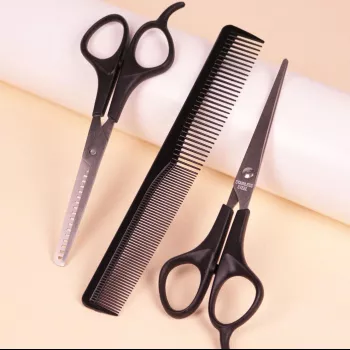
While you’re working with a clinician, some women prefer immediate volume and coverage solutions. For practical guidance on blending and debulking hairpieces for a natural look, see this guide to thinning scissors and real hair wigs.
FAQ
What vitamin deficiency causes hair loss in females?
Low iron (often reflected by low ferritin) is a common deficiency linked with shedding, and low vitamin D can also contribute. A clinician can confirm deficiencies with blood tests before supplementation, since excess iron or certain vitamins can be harmful.
Recommended for you

Dog Vet Visit Checklist: How Often & What to Bring
May 31, 2026













Leave a comment