-
Shop
- Advanced Technologies
- AI Skills Mastery 2026 Collection
- Beauty
- Best-Sellers
- Calvin Klein
- Car Accessories
- Car Buying & Ownership
- Dating & Social Confidence
- Dating & Social Skills
- Denim
- 7FOR
- AGOLDE
- Antony Morato
- Armani Exchange
- Boss
- Brunello Cucinelli
- Calvin Klein Jeans
- Costume National
- Desigual
- Diesel
- Dolce & Gabbana
- Dsquared²
- Ermanno Scervino
- Fendi
- Gianni Lupo
- Guess Jeans
- Ichi
- Just Cavalli
- Lee
- Levi's
- Liu Jo
- Morgan De Toi
- Mother Denim
- Only
- Pepe Jeans
- Pinko
- Replay
- Tommy Hilfiger Jeans
- Valentino
- Vero Moda
- Digital Resources
- Education & Learning
- Family & Parenting
- Fashion
- Alexander McQueen
- Bags & Wallets
- Balenciaga
- Belts
- Bottega Veneta
- Brunello Cucinelli
- Burberry
- Chanel
- Chloé
- Dior
- Dolce & Gabbana
- Etro
- Fendi
- Gucci
- Hats & Hair Accessories
- Jacquemus
- Jewelry
- Jil Sander
- Jimmy Choo
- Keychains
- Kiton
- Miu Miu
- Off-White
- Prada
- Rick Owens
- Saint Laurent
- Shoes
- Socks & Tights
- Sunglasses
- The Row
- Tom Ford
- Valentino
- Valentino Garavani
- Versace
- Vivienne Westwood
- Watches
- Fashion & Style
- Fashion Accessories
- Financial Education
- Find Your Path Collection
- Fitness
- Furniture
- Gadgets
- Health & Beauty
- Health & Wellness
- Home & Garden
- Home & Kitchen
- Home Styling & Organization
- Home Supplies
- Kids & Babies
- Kitchen
- Lighting
- Nike
- Online Business
- Online Business for Beginners
- Parenting
- Patio, Lawn & Garden
- Personal Growth
- Pet Care
- Pet Supplies
- Pets
- Smart Life with IA
- Sport & Outdoors
- Super Deals
- Travel
- Wealth
- Wealth Building
- Wellness
- YouTube Shorts Best-Sellers
- Popular
- Best deals
6 Small Living Room Mistakes That Make Spaces Feel Tight
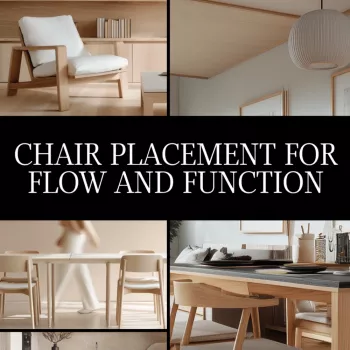
What are some common small living room mistakes?
Small living rooms can feel tight fast, but the biggest problems usually come from layout choices, not square footage. A few common mistakes can make a space look cluttered, awkward to walk through, or less comfortable than it should be.
1) Pushing every piece against the walls
“Wall-hugging” furniture often creates a hollow center and makes seating feel disconnected. Even in a compact room, pulling the sofa or chairs a few inches in (and anchoring them with a rug) can make the space feel more intentional and easier to use.
2) Blocking natural pathways
When traffic routes cut through the middle of the seating area, the room feels chaotic. Aim for clear walkways and place chairs so they support movement instead of interrupting it. For practical ideas on positioning seating for smoother circulation, see these chair placement tips for better flow and function.
3) Choosing oversized furniture “to fill the room”
A huge sectional or bulky coffee table can swallow a small footprint. Opt for pieces with lighter visual weight—slimmer arms, raised legs, or round/oval tables—to keep the room feeling open.
4) Using too many small items instead of a few strong pieces
Lots of tiny décor and multiple petite tables can read as clutter. A better approach is one statement rug, one main coffee table, and a short list of accessories that earn their spot.
5) Poor lighting (one overhead light only)
Relying on a single ceiling fixture flattens the room. Layer lighting with a floor lamp, a table lamp, and warm bulbs to add depth without taking up much floor space.
6) Skipping storage—or hiding it where you need it most
If everyday items don’t have a home, surfaces fill up. Use closed storage (ottomans, cabinets, baskets) near where clutter happens: by the sofa, entry path, or media area.
FAQ
How do you make a small living room feel bigger without remodeling?
Use fewer, larger-scale accents (like one rug), keep walkways open, and choose furniture with exposed legs. Layer lighting and use a limited color palette to reduce visual “chop.”
Recommended for you

Arrange Furniture for Better Flow: Easy Layout Rules
Jul 17, 2026
Two-Way Audio Security Cameras: What to Know
Jul 17, 2026









Leave a comment