-
Shop
- Advanced Technologies
- AI Skills Mastery 2026 Collection
- Beauty
- Beauty & Skincare
- Best-Sellers
- Calvin Klein
- Car Accessories
- Car Buying & Ownership
- Dating & Social Confidence
- Dating & Social Skills
- Denim
- 7FOR
- AGOLDE
- Antony Morato
- Armani Exchange
- Boss
- Brunello Cucinelli
- Calvin Klein Jeans
- Costume National
- Desigual
- Diesel
- Dolce & Gabbana
- Dsquared²
- Ermanno Scervino
- Fendi
- Gianni Lupo
- Guess Jeans
- Ichi
- Just Cavalli
- Lee
- Levi's
- Liu Jo
- Morgan De Toi
- Mother Denim
- Only
- Pepe Jeans
- Pinko
- Replay
- Tommy Hilfiger Jeans
- Valentino
- Vero Moda
- Digital Resources
- Education & Learning
- Family & Parenting
- Fashion
- Alexander McQueen
- Bags & Wallets
- Balenciaga
- Belts
- Bottega Veneta
- Brunello Cucinelli
- Burberry
- Chanel
- Chloé
- Dior
- Dolce & Gabbana
- Etro
- Fendi
- Gucci
- Hats & Hair Accessories
- Jacquemus
- Jewelry
- Jil Sander
- Jimmy Choo
- Keychains
- Kiton
- Miu Miu
- Off-White
- Prada
- Rick Owens
- Saint Laurent
- Shoes
- Socks & Tights
- Sunglasses
- The Row
- Tom Ford
- Valentino
- Valentino Garavani
- Versace
- Vivienne Westwood
- Watches
- Fashion & Style
- Fashion Accessories
- Finance & Career
- Financial Education
- Find Your Path Collection
- Fitness
- Fitness & Movement
- Furniture
- Gadgets
- Health & Beauty
- Health & Wellness
- Home & Garden
- Home & Kitchen
- Home & Lifestyle
- Home Styling & Organization
- Home Supplies
- Hormone & Women’s Health
- Kids & Babies
- Kitchen
- Lighting
- Mindset & Personal Growth
- Nike
- Online Business
- Online Business for Beginners
- Parenting
- Patio, Lawn & Garden
- Personal Growth
- Pet Care
- Pet Supplies
- Pets
- Self-Care & Mental Well-Being
- Sleep & Rest
- Smart Life with IA
- Sport & Outdoors
- Style & Fashion
- Super Deals
- Travel
- Wealth
- Wealth Building
- Wellness
- YouTube Shorts Best-Sellers
- Popular
- Best deals
SMART Goals for Self-Assessment: Meaning, Steps & Examples

What are SMART goals for self assessment?
SMART goals for self assessment are specific targets you set to evaluate and improve your performance using clear criteria. SMART stands for Specific, Measurable, Achievable, Relevant, and Time-bound. Instead of a vague aim like “do better at work,” a SMART self-assessment goal spells out exactly what you’ll improve, how you’ll track progress, and when you’ll review results.
Here’s what each part looks like in a self-assessment context:
- Specific: Name the exact behavior or outcome you want to change (e.g., “reduce missed deadlines”).
- Measurable: Choose a metric (e.g., “submit 95% of tasks by the due date”).
- Achievable: Make it realistic with your time, tools, and responsibilities.
- Relevant: Tie it to your role, priorities, or a skill you truly need.
- Time-bound: Set a deadline and check-in points (e.g., “over the next 30 days”).
Examples of SMART goals you can use for self assessment
- Communication: “For the next 6 weeks, send a weekly project update every Friday by 3 p.m. and track whether stakeholders respond with fewer clarification questions.”
- Productivity: “By the end of this month, use a daily top-3 priority list and measure completion rate, aiming for 20 out of 22 workdays completed.”
- Skill building: “Complete one intermediate Excel course within 21 days and apply at least two new functions in a real report by the following week.”
- Quality: “Over the next quarter, reduce revisions requested on my deliverables from an average of 3 to 1 by adding a 10-minute pre-submit checklist.”
How to run a simple self-assessment cycle
Pick one or two SMART goals, define your metric, and schedule brief check-ins (weekly works well). At the deadline, compare results to your metric, write what worked and what didn’t, and set the next goal based on the biggest gap.
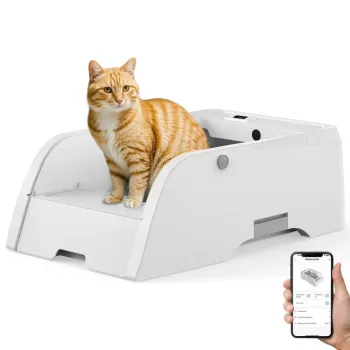
For a practical example of SMART-style thinking applied to real-life improvements—clear criteria, measurable outcomes, and safety-focused checkpoints—see this guide: SMART self-cleaning litter box odor control and safety sensors guide.
FAQ
How do you measure progress during a self assessment?
Choose one metric per goal (counts, percentages, deadlines met, error rates, or feedback scores) and track it on a simple weekly log. Review trends at set check-ins so you can adjust before the final deadline.
Recommended for you


Dolce & Gabbana Leather: How to Check if It’s Real
Jul 22, 2026













Leave a comment