-
Shop
- Advanced Technologies
- AI Skills Mastery 2026 Collection
- Beauty
- Best-Sellers
- Calvin Klein
- Car Accessories
- Car Buying & Ownership
- Dating & Social Confidence
- Dating & Social Skills
- Denim
- 7FOR
- AGOLDE
- Antony Morato
- Armani Exchange
- Boss
- Brunello Cucinelli
- Calvin Klein Jeans
- Costume National
- Desigual
- Diesel
- Dolce & Gabbana
- Dsquared²
- Ermanno Scervino
- Fendi
- Gianni Lupo
- Guess Jeans
- Ichi
- Just Cavalli
- Lee
- Levi's
- Liu Jo
- Morgan De Toi
- Mother Denim
- Only
- Pepe Jeans
- Pinko
- Replay
- Tommy Hilfiger Jeans
- Valentino
- Vero Moda
- Digital Resources
- Education & Learning
- Family & Parenting
- Fashion
- Alexander McQueen
- Bags & Wallets
- Balenciaga
- Belts
- Bottega Veneta
- Brunello Cucinelli
- Burberry
- Chanel
- Chloé
- Dior
- Dolce & Gabbana
- Etro
- Fendi
- Gucci
- Hats & Hair Accessories
- Jacquemus
- Jewelry
- Jil Sander
- Jimmy Choo
- Keychains
- Kiton
- Miu Miu
- Off-White
- Prada
- Rick Owens
- Saint Laurent
- Shoes
- Socks & Tights
- Sunglasses
- The Row
- Tom Ford
- Valentino
- Valentino Garavani
- Versace
- Vivienne Westwood
- Watches
- Fashion & Style
- Fashion Accessories
- Financial Education
- Find Your Path Collection
- Fitness
- Furniture
- Gadgets
- Health & Beauty
- Health & Wellness
- Home & Garden
- Home & Kitchen
- Home Styling & Organization
- Home Supplies
- Kids & Babies
- Kitchen
- Lighting
- Nike
- Online Business
- Online Business for Beginners
- Parenting
- Patio, Lawn & Garden
- Personal Growth
- Pet Care
- Pet Supplies
- Pets
- Smart Life with IA
- Sport & Outdoors
- Super Deals
- Travel
- Wealth
- Wealth Building
- Wellness
- YouTube Shorts Best-Sellers
- Popular
- Best deals
Wooden Instrument Sets: Safe Ages for Babies & Toddlers
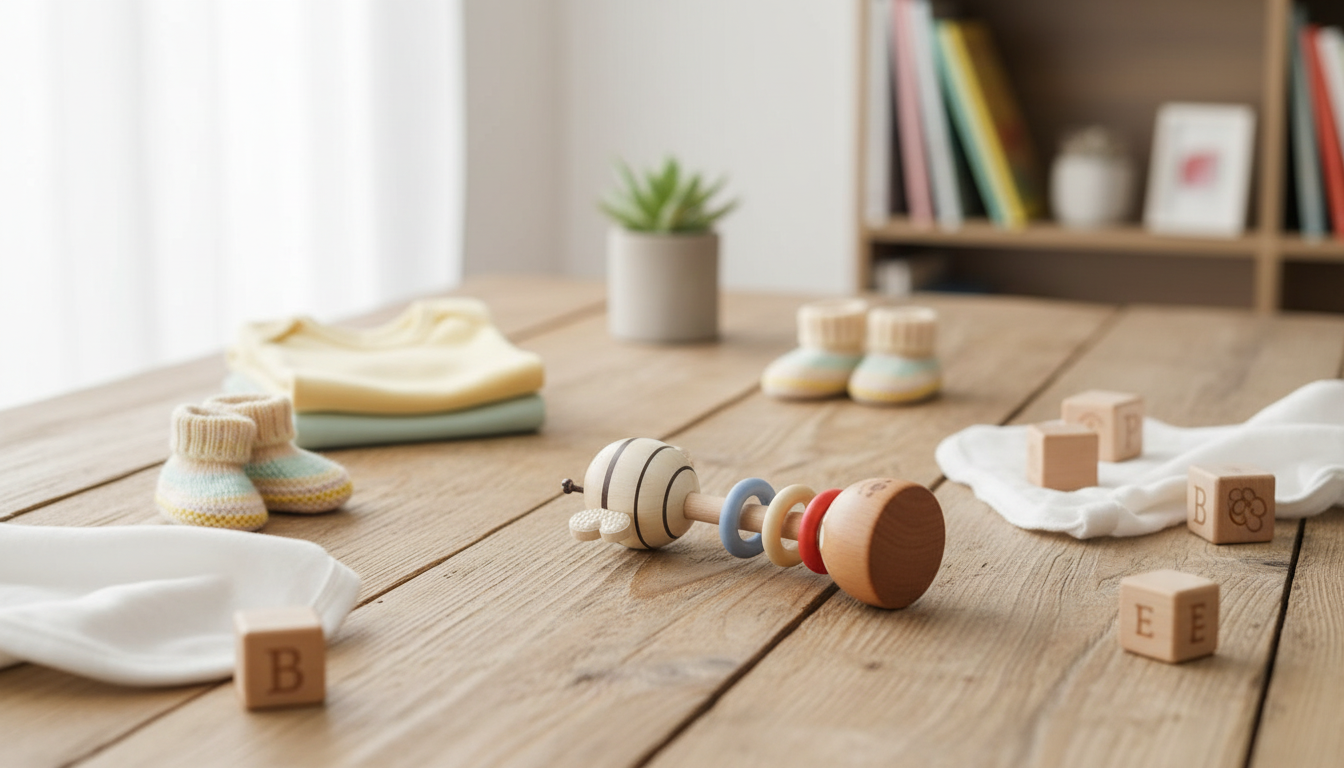
What age is a wooden musical instrument set safe for babies and toddlers?
Most wooden musical instrument sets are safest starting around 12 months (1 year) and up, as long as the set is designed for toddlers and used with close adult supervision. Babies under 12 months are more likely to mouth objects, have less coordinated grip control, and can be at higher risk if an instrument has small parts, loose pegs, thin mallets, or detachable pieces.
For ages 12–18 months, look for a “baby-safe” or “toddler” labeling and simple instruments that can’t be taken apart—think sturdy shakers, large-handle rhythm sticks, and drums with securely fastened components. From about 18–24 months, many toddlers can handle a wider variety (like xylophones or small hand drums) if mallets are thick, edges are rounded, and nothing can fit fully into a child’s mouth. By ages 2–3, toddlers typically have better control and can explore sets with more pieces, but safety still depends on build quality and supervision.
What to check before handing it to a child
Age guidance on the packaging is the best starting point, but it’s not the only factor. Avoid sets with parts that could detach during shaking or banging, and skip anything with long cords or straps for young toddlers. Choose smooth, splinter-free wood with rounded corners, and finishes that are labeled non-toxic and child-safe. If the set includes mallets, prefer short, thick mallets that are hard to fit into the mouth and are less likely to break.
Safer play tips for baby and toddler music time
Always supervise, especially in mixed-age households where older siblings might introduce smaller pieces. Rotate one or two instruments at a time to keep play manageable. Regularly inspect for cracks, loose screws, chipped paint, or swelling from moisture—any of these can turn a previously safe toy into a hazard.
For a deeper look at choosing sturdy, toddler-friendly wooden instruments and sound-play ideas, visit this wooden garden music set guide.
FAQ
How do I know if a wooden instrument toy has small-parts hazards?
Check the label for a “small parts” warning and the recommended age range, then examine the toy for removable pegs, beads, caps, or mallet heads that could come loose. If a piece can detach with pulling, twisting, or vigorous shaking, it’s not a good choice for younger toddlers.
Recommended for you

5 Essentials for a Successful Online Course Launch
Jul 14, 2026
Lifelong Learning Programme: Meaning, How It Works
Jul 14, 2026













Leave a comment