-
Shop
- Advanced Technologies
- AI Skills Mastery 2026 Collection
- Beauty
- Best-Sellers
- Calvin Klein
- Car Accessories
- Car Buying & Ownership
- Dating & Social Confidence
- Dating & Social Skills
- Denim
- 7FOR
- AGOLDE
- Antony Morato
- Armani Exchange
- Boss
- Brunello Cucinelli
- Calvin Klein Jeans
- Costume National
- Desigual
- Diesel
- Dolce & Gabbana
- Dsquared²
- Ermanno Scervino
- Fendi
- Gianni Lupo
- Guess Jeans
- Ichi
- Just Cavalli
- Lee
- Levi's
- Liu Jo
- Morgan De Toi
- Mother Denim
- Only
- Pepe Jeans
- Pinko
- Replay
- Tommy Hilfiger Jeans
- Valentino
- Vero Moda
- Digital Resources
- Education & Learning
- Family & Parenting
- Fashion
- Alexander McQueen
- Bags & Wallets
- Balenciaga
- Belts
- Bottega Veneta
- Brunello Cucinelli
- Burberry
- Chanel
- Chloé
- Dior
- Dolce & Gabbana
- Etro
- Fendi
- Gucci
- Hats & Hair Accessories
- Jacquemus
- Jewelry
- Jil Sander
- Jimmy Choo
- Keychains
- Kiton
- Miu Miu
- Off-White
- Prada
- Rick Owens
- Saint Laurent
- Shoes
- Socks & Tights
- Sunglasses
- The Row
- Tom Ford
- Valentino
- Valentino Garavani
- Versace
- Vivienne Westwood
- Watches
- Fashion & Style
- Fashion Accessories
- Financial Education
- Find Your Path Collection
- Fitness
- Furniture
- Gadgets
- Health & Beauty
- Health & Wellness
- Home & Garden
- Home & Kitchen
- Home Styling & Organization
- Home Supplies
- Kids & Babies
- Kitchen
- Lighting
- Nike
- Online Business
- Online Business for Beginners
- Parenting
- Patio, Lawn & Garden
- Personal Growth
- Pet Care
- Pet Supplies
- Pets
- Smart Life with IA
- Sport & Outdoors
- Super Deals
- Travel
- Wealth
- Wealth Building
- Wellness
- YouTube Shorts Best-Sellers
- Popular
- Best deals
Music for 6-Month-Old Babies: Benefits & Safe Tips
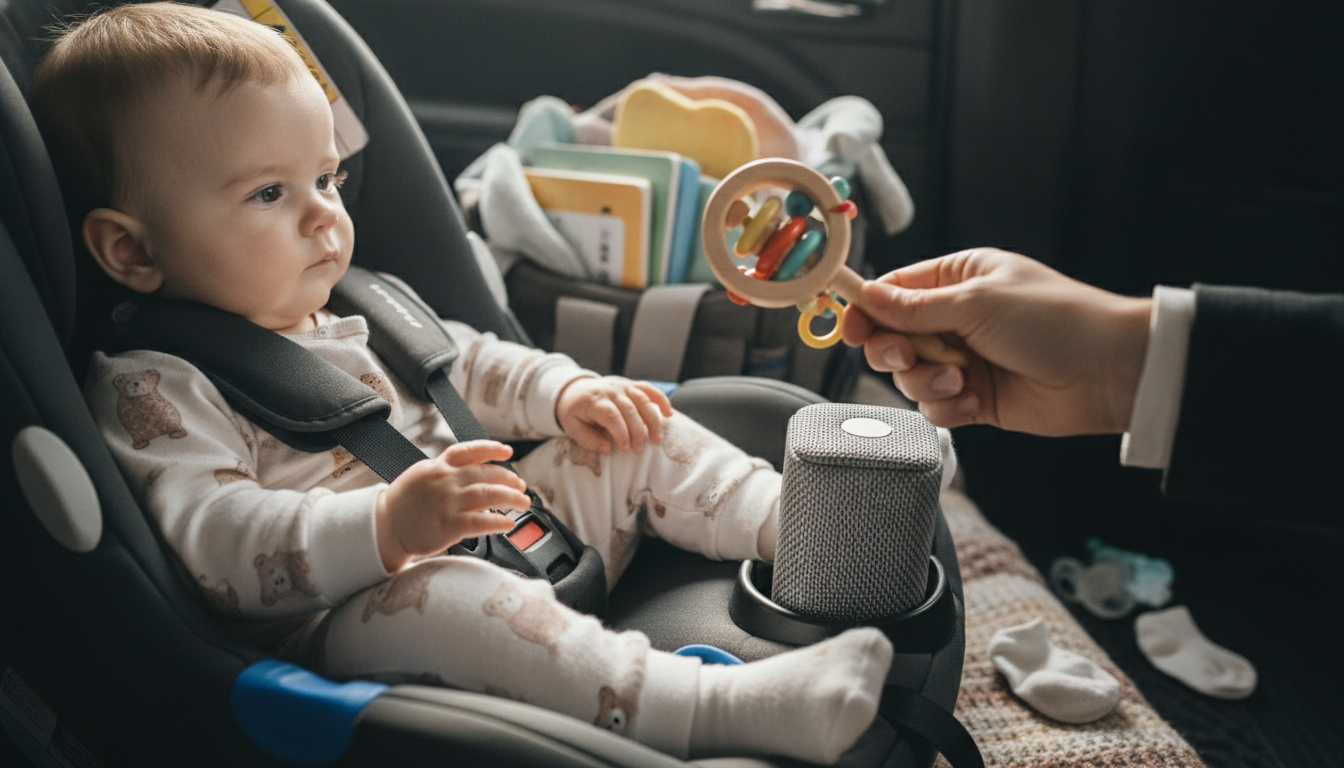
Is music good for a 6 month old baby?
Yes—music can be very good for a 6 month old baby when it’s gentle, age-appropriate, and kept at a safe volume. At this age, babies are rapidly developing hearing, attention, and early communication skills, and musical sounds can support that growth through simple, repeated listening and playful interaction.
How music helps at 6 months
Many babies respond to rhythm and melody by turning their head, widening their eyes, kicking their legs, or vocalizing. These small reactions are meaningful practice for focus, cause-and-effect learning, and early social connection. Singing and listening can also encourage “back-and-forth” exchanges—baby coos, an adult responds—which supports early language foundations.
What kinds of music work best
Soft singing, lullabies, simple instrumental pieces, and steady rhythms are usually a comfortable match for a 6 month old. Repetition helps: playing the same short songs can make the sounds familiar and soothing. Live sound (a caregiver singing or lightly tapping a simple instrument) is often more engaging than constant background audio because it invites interaction.
Safe listening tips
Keep volume low—if an adult needs to raise their voice to be heard over the music, it’s too loud. Avoid placing speakers right next to your baby, limit long sessions of continuous playback, and watch for cues like fussiness, turning away, or startled reactions. Short, calm musical moments throughout the day are typically better than extended loud listening.
Adding music to playtime
Try pairing music with movement: gentle bouncing, swaying, or clapping can help your baby feel the beat and connect sound to body motion. Simple, tactile instruments can also be fun when closely supervised—babies learn a lot by shaking, tapping, and listening to the result. For ideas on sound-focused play, see this guide to a wooden garden music set and Montessori-style sound play.
FAQ
What instruments are safe for babies to explore with supervision?
Look for baby-safe instruments with smooth edges, non-toxic materials, and pieces too large to be swallowed, such as soft shakers, sturdy rattles, or gentle drums. Always supervise closely and stop if your baby mouths or chews an item that isn’t designed for teething.
Recommended for you

Moissanite Ring: Which Finger Should You Wear It On?
Jun 24, 2026













Leave a comment