-
Shop
- Advanced Technologies
- AI Skills Mastery 2026 Collection
- Best-Sellers
- Calvin Klein
- Car Accessories
- Car Buying & Ownership
- Dating & Social Skills
- Denim
- 7FOR
- AGOLDE
- Antony Morato
- Armani Exchange
- Boss
- Brunello Cucinelli
- Calvin Klein Jeans
- Costume National
- Desigual
- Diesel
- Dolce & Gabbana
- Dsquared²
- Ermanno Scervino
- Fendi
- Gianni Lupo
- Guess Jeans
- Ichi
- Just Cavalli
- Lee
- Levi's
- Liu Jo
- Morgan De Toi
- Mother Denim
- Only
- Pepe Jeans
- Pinko
- Replay
- Tommy Hilfiger Jeans
- Valentino
- Vero Moda
- Digital Resources
- Education & Learning
- Family & Parenting
- Fashion
- Alexander McQueen
- Bags & Wallets
- Balenciaga
- Belts
- Bottega Veneta
- Brunello Cucinelli
- Burberry
- Chanel
- Chloé
- Dior
- Dolce & Gabbana
- Etro
- Fendi
- Gucci
- Hats & Hair Accessories
- Jacquemus
- Jewelry
- Jil Sander
- Jimmy Choo
- Keychains
- Kiton
- Miu Miu
- Off-White
- Prada
- Rick Owens
- Saint Laurent
- Shoes
- Socks & Tights
- Sunglasses
- The Row
- Tom Ford
- Valentino
- Valentino Garavani
- Versace
- Vivienne Westwood
- Watches
- Fashion & Style
- Fashion Accessories
- Financial Education
- Find Your Path Collection
- Fitness
- Furniture
- Gadgets
- Health & Beauty
- Health & Wellness
- Home & Garden
- Home & Kitchen
- Home Styling & Organization
- Home Supplies
- Kids & Babies
- Kitchen
- Lighting
- Nike
- Online Business
- Online Business for Beginners
- Parenting
- Patio, Lawn & Garden
- Personal Growth
- Pet Care
- Pet Supplies
- Pets
- Smart Life with IA
- Sport & Outdoors
- Super Deals
- Travel
- Wealth
- Wealth Building
- Wellness
- YouTube Shorts Best-Sellers
- Popular
- Best deals
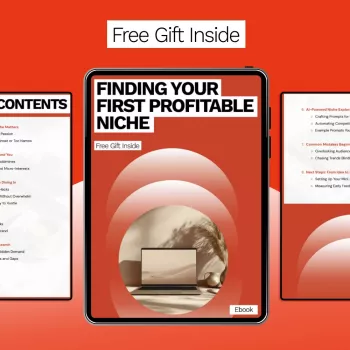
Picking a Profitable Niche: Beginner-Friendly Checklist

How to choose a niche for beginners?
Choose a niche by balancing three things: a real problem people pay to solve, products you can confidently source and describe, and enough demand to bring consistent traffic and sales. Beginners do best when they start narrower than they think they should, then expand once they have proof the niche buys.
1) Start with problems, not passions
Interests are helpful, but problems create purchases. Look for situations where shoppers want a specific outcome (save time, reduce frustration, improve organization, upgrade a hobby) and where products are easy to understand and compare.
2) Validate demand with simple signals
Check whether buyers already spend money in the space: multiple brands, active reviews, and a range of price points. A niche is usually healthier when it supports repeat purchases (refills, accessories, upgrades) or multiple related products you can bundle.
3) Make sure the products fit your beginner constraints
Prioritize items that are straightforward to ship, less likely to break, and unlikely to require heavy technical support. If a product category is complicated or has high return risk, it can drain cash and time before you’ve learned what works.
4) Define a “specific who + specific use” angle
A practical way to narrow is to combine an audience with a use case (for example, “small-space organizers for apartment renters” instead of “home organization”). This makes product selection, messaging, and store design much easier.
5) Pressure-test profitability
Look for room to price competitively while still covering product cost, shipping, platform fees, and returns. A niche with slightly higher perceived value often performs better than one driven purely by the lowest price.
Want a step-by-step path?
For a structured, beginner-friendly approach to finding and validating a niche quickly, follow the 7-day plan here: https://luxian.shop/guide-find-profitable-niche-beginner-7-day-plan/.
FAQ
How do I know if a niche is too competitive?
If top sellers dominate every subcategory with near-identical offers and you can’t identify a clear angle (audience, bundle, or benefit) to stand out, it’s likely too crowded for a first attempt. A good sign is finding underserved subtopics with consistent reviews and fewer specialized stores.
Recommended for you
2.4GHz vs 5GHz for Two-Way Talk Security Cameras
Jun 2, 2026













Leave a comment