-
Shop
- Advanced Technologies
- AI Skills Mastery 2026 Collection
- Beauty
- Best-Sellers
- Calvin Klein
- Car Accessories
- Car Buying & Ownership
- Dating & Social Confidence
- Dating & Social Skills
- Denim
- 7FOR
- AGOLDE
- Antony Morato
- Armani Exchange
- Boss
- Brunello Cucinelli
- Calvin Klein Jeans
- Costume National
- Desigual
- Diesel
- Dolce & Gabbana
- Dsquared²
- Ermanno Scervino
- Fendi
- Gianni Lupo
- Guess Jeans
- Ichi
- Just Cavalli
- Lee
- Levi's
- Liu Jo
- Morgan De Toi
- Mother Denim
- Only
- Pepe Jeans
- Pinko
- Replay
- Tommy Hilfiger Jeans
- Valentino
- Vero Moda
- Digital Resources
- Education & Learning
- Family & Parenting
- Fashion
- Alexander McQueen
- Bags & Wallets
- Balenciaga
- Belts
- Bottega Veneta
- Brunello Cucinelli
- Burberry
- Chanel
- Chloé
- Dior
- Dolce & Gabbana
- Etro
- Fendi
- Gucci
- Hats & Hair Accessories
- Jacquemus
- Jewelry
- Jil Sander
- Jimmy Choo
- Keychains
- Kiton
- Miu Miu
- Off-White
- Prada
- Rick Owens
- Saint Laurent
- Shoes
- Socks & Tights
- Sunglasses
- The Row
- Tom Ford
- Valentino
- Valentino Garavani
- Versace
- Vivienne Westwood
- Watches
- Fashion & Style
- Fashion Accessories
- Financial Education
- Find Your Path Collection
- Fitness
- Furniture
- Gadgets
- Health & Beauty
- Health & Wellness
- Home & Garden
- Home & Kitchen
- Home Styling & Organization
- Home Supplies
- Kids & Babies
- Kitchen
- Lighting
- Nike
- Online Business
- Online Business for Beginners
- Parenting
- Patio, Lawn & Garden
- Personal Growth
- Pet Care
- Pet Supplies
- Pets
- Smart Life with IA
- Sport & Outdoors
- Super Deals
- Travel
- Wealth
- Wealth Building
- Wellness
- YouTube Shorts Best-Sellers
- Popular
- Best deals
How to Find a Profitable Niche as a Beginner (7-Day Plan)
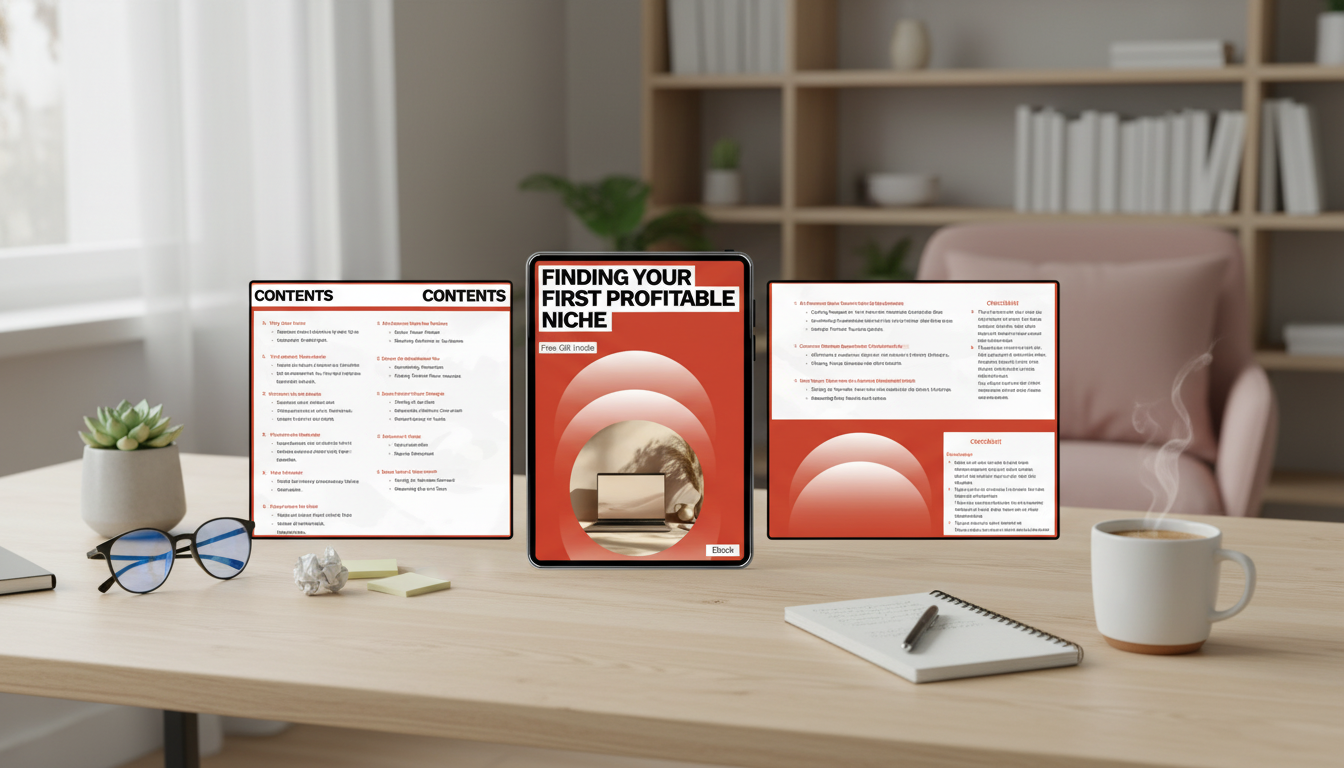
Finding Your First Profitable Niche: A Beginner’s Step-by-Step Strategy
A profitable niche sits at the intersection of a real problem, a clear group of buyers, and a simple path to reach them. The goal is to narrow ideas fast, validate demand with real-world signals, size up competition without getting stuck, and choose a niche that can support consistent sales—without relying on guesswork.
What a “profitable niche” looks like (and what it isn’t)
A niche is a specific market segment with a defined audience and a consistent need. “Meal planning for busy new moms” is a niche; “health” is a category. The tighter you can define who it’s for and what outcome they want, the easier it is to create an offer and messaging that converts.
Profitability usually requires three basics: strong buyer intent (they already spend money on solutions), a pain point you can actually solve, and an offer that leaves room for margin after costs. Beginners often get tripped up by picking something too broad (where you blend in) or too tiny (where demand can’t carry steady sales).
When choosing, favor niches with repeat needs (refills, accessories, upgrades, ongoing learning) or high-value outcomes (saving time, reducing risk, improving confidence, or making/keeping money). Those outcomes support higher pricing and better retention.
Start with three idea sources that work for beginners
1) Problems people pay to fix
List daily frustrations that regularly trigger purchases: sleep quality, stress relief, clutter and home organization, pet care, skin issues, productivity, and budgeting. Problems are powerful because urgency is built in—people want relief.
2) Passions with purchase behavior
Not every passion turns into spending, but some hobbies naturally create ongoing demand: home fitness, gardening, crafting, specialty coffee, and cooking. Look for hobbies where “getting started” requires gear or training and where people keep upgrading.
3) Identity-based audiences
Roles and life stages come with predictable needs: students, new parents, caregivers, remote workers, and retirees. These audiences are easier to target because they gather in identifiable places and share common constraints (time, budget, energy, experience level).
Validate demand without overcomplicating it
- Trend signals: Use Google Trends to check whether interest is stable or growing over time rather than spiking once.
- Buyer language: Scan forums, Q&A threads, and product reviews for repeated phrases like “I need,” “anyone recommend,” “best for,” and “alternative to.” Repetition is a clue that the pain is common and people are comparing options.
- Existing spending: Marketplaces and retail sites reveal whether similar solutions sell consistently—multiple brands, many reviews, and frequent restocks are encouraging signs.
- Urgency: Niches tied to deadlines, discomfort, safety, or strong emotions typically convert more easily than “nice-to-have” topics.
Simple demand validation checklist
| Signal | What to look for | Why it matters |
|---|---|---|
| Trend stability | Steady or rising interest over 12+ months | Reduces risk of chasing a short-lived fad |
| Active questions | Recent posts asking for recommendations | Shows ongoing need and confusion you can solve |
| Product variety | Multiple similar products at different prices | Indicates a real market with segmentation |
| Repeat buying | Consumables, refills, accessories, updates | Supports recurring revenue potential |
For more guidance on reading market signals and doing a structured competitive check, the U.S. Small Business Administration’s overview of market research and competitive analysis is a solid reference point.
Assess competition the practical way
A helpful way to sanity-check spending power is to look at broad consumer categories in the U.S. Bureau of Labor Statistics Consumer Expenditures data, then narrow into a subcategory you can actually serve.
Choose a niche with a clear offer and a clear customer
If you want a ready-to-use framework for scoring and decision-making, Finding Your First Profitable Niche: The Ultimate Beginner’s Guide on How to Find a Profitable Niche for Beginners, eBook, Checklist, and Step-by-Step Strategy walks through a practical sequence so you can move from ideas to a confident choice quickly.
Real-world product examples (to test “offer clarity”)
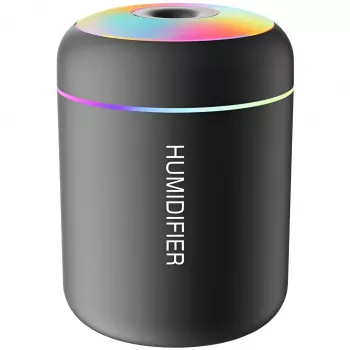
When you test niche ideas, it helps to ask: “What would I sell first?” For instance, a calm-home or better-sleep angle can lead to a simple physical offer like the Mini USB Aroma Humidifier & Essential Oil Diffuser with Soft LED Light. A gifting or self-expression angle might start with a high-intent product like the 18K Rose Gold Moissanite Ring 0.3ct Square Diamond. The point isn’t the product category—it’s whether your niche naturally connects to a clear first offer.
A 7-day beginner plan to lock in your first niche
Beginner-friendly tools that make niche selection easier
Templates for scoring, positioning, and validation can compress the decision from weeks to days. For a guided process with a checklist and step sequence, use Finding Your First Profitable Niche: The Ultimate Beginner’s Guide on How to Find a Profitable Niche for Beginners, eBook, Checklist, and Step-by-Step Strategy.
FAQ
Which niche is best for beginners?
Niches with clear problems and proven spending are easiest to start: health routines (sleep, stress, simple fitness), pet care, home organization, and budgeting. Pick the one where buyer intent is obvious, the audience is easy to reach in a few channels, and you can launch a simple first offer quickly (for example: “Helping remote workers build a calmer desk setup without clutter,” or “Helping new dog owners simplify daily care without overwhelm”).
How do beginners know if a niche is too competitive?
If a few giant brands dominate, messaging looks identical everywhere, ad placements are crowded, and you can’t name a clear underserved angle, it’s likely too competitive for a first attempt. Narrow by audience, outcome, or use case—start with a sub-niche you can own, then expand once you have traction.
Recommended for you
AI Workout Checklist for Fast 5–25 Minute Routines
May 16, 2026













Leave a comment