-
Shop
- Advanced Technologies
- AI Skills Mastery 2026 Collection
- Beauty
- Best-Sellers
- Calvin Klein
- Car Accessories
- Car Buying & Ownership
- Dating & Social Confidence
- Dating & Social Skills
- Denim
- 7FOR
- AGOLDE
- Antony Morato
- Armani Exchange
- Boss
- Brunello Cucinelli
- Calvin Klein Jeans
- Costume National
- Desigual
- Diesel
- Dolce & Gabbana
- Dsquared²
- Ermanno Scervino
- Fendi
- Gianni Lupo
- Guess Jeans
- Ichi
- Just Cavalli
- Lee
- Levi's
- Liu Jo
- Morgan De Toi
- Mother Denim
- Only
- Pepe Jeans
- Pinko
- Replay
- Tommy Hilfiger Jeans
- Valentino
- Vero Moda
- Digital Resources
- Education & Learning
- Family & Parenting
- Fashion
- Alexander McQueen
- Bags & Wallets
- Balenciaga
- Belts
- Bottega Veneta
- Brunello Cucinelli
- Burberry
- Chanel
- Chloé
- Dior
- Dolce & Gabbana
- Etro
- Fendi
- Gucci
- Hats & Hair Accessories
- Jacquemus
- Jewelry
- Jil Sander
- Jimmy Choo
- Keychains
- Kiton
- Miu Miu
- Off-White
- Prada
- Rick Owens
- Saint Laurent
- Shoes
- Socks & Tights
- Sunglasses
- The Row
- Tom Ford
- Valentino
- Valentino Garavani
- Versace
- Vivienne Westwood
- Watches
- Fashion & Style
- Fashion Accessories
- Financial Education
- Find Your Path Collection
- Fitness
- Furniture
- Gadgets
- Health & Beauty
- Health & Wellness
- Home & Garden
- Home & Kitchen
- Home Styling & Organization
- Home Supplies
- Kids & Babies
- Kitchen
- Lighting
- Nike
- Online Business
- Online Business for Beginners
- Parenting
- Patio, Lawn & Garden
- Personal Growth
- Pet Care
- Pet Supplies
- Pets
- Smart Life with IA
- Sport & Outdoors
- Super Deals
- Travel
- Wealth
- Wealth Building
- Wellness
- YouTube Shorts Best-Sellers
- Popular
- Best deals
How to Spot a Valuable Vintage Vase: Marks, Age, Value
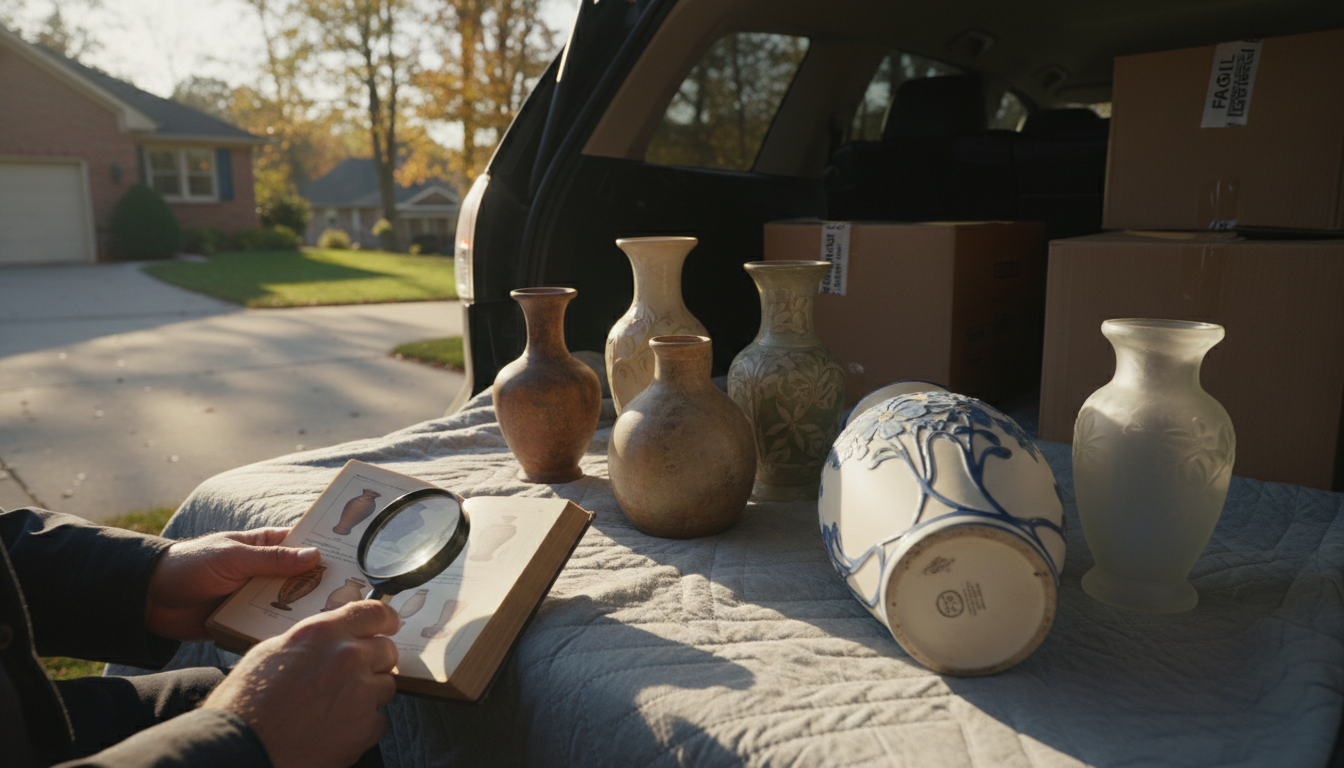
How can I identify a valuable vintage vase?
A valuable vintage vase usually shows a mix of verifiable age, quality craftsmanship, respected maker marks, and strong demand in the collector market. Start by treating it like a mini investigation: confirm what it’s made of, when it was produced, and whether its condition matches the era and method of manufacture.
1) Check the base for marks, signatures, and labels
Turn the vase over and look for etched signatures, stamped factory marks, raised logos, or remnants of old paper labels. Clear, consistent marks can help date a piece and tie it to a known studio or manufacturer. Be cautious with marks that look too crisp on an otherwise worn vase—newly added signatures are a common red flag.
2) Evaluate materials and construction
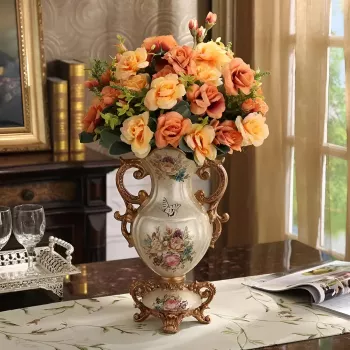
Material matters: hand-blown glass may show subtle asymmetry, a pontil mark, or tool impressions; high-quality ceramic often has a refined glaze and well-finished foot. If you’re assessing resin pieces (common in certain vintage decorative styles), look for dense weight, clean casting lines, and a finish that hasn’t become overly sticky, chalky, or warped. For a deeper style and material overview, see this guide to vintage resin vase styles.
3) Look for signs of age—without confusion from damage
Natural patina, gentle base wear, and consistent crazing in older glazes can support authenticity. However, cracks, fresh-looking chips, “spiderweb” repairs, or heavy overpainting typically reduce value. Use a flashlight: repairs often reflect light differently than the surrounding surface.
4) Assess design pedigree and rarity
Distinctive silhouettes, period-correct colors, and recognizable motifs can signal collectible lines. Limited runs, discontinued patterns, or unusual sizes can raise value—especially when the piece is intact and documented. If a vase looks like a common mass-produced form, it may still be attractive, but usually won’t command premium pricing.
5) Confirm market demand with comparable sales
Don’t rely only on listing prices. Check sold results for similar maker, size, and condition. Small differences—like a specific glaze color or an original label—can meaningfully change value.
FAQ
What should I look for when buying a vintage vase online?
Ask for photos of the base, close-ups of any marks, and shots under bright light to reveal chips or repairs. Compare measurements and request notes on restoration before paying a collector-level price.












Leave a comment