-
Shop
- Advanced Technologies
- AI Skills Mastery 2026 Collection
- Best-Sellers
- Calvin Klein
- Car Accessories
- Car Buying & Ownership
- Dating & Social Skills
- Denim
- 7FOR
- AGOLDE
- Antony Morato
- Armani Exchange
- Boss
- Brunello Cucinelli
- Calvin Klein Jeans
- Costume National
- Desigual
- Diesel
- Dolce & Gabbana
- Dsquared²
- Ermanno Scervino
- Fendi
- Gianni Lupo
- Guess Jeans
- Ichi
- Just Cavalli
- Lee
- Levi's
- Liu Jo
- Morgan De Toi
- Mother Denim
- Only
- Pepe Jeans
- Pinko
- Replay
- Tommy Hilfiger Jeans
- Valentino
- Vero Moda
- Digital Resources
- Education & Learning
- Family & Parenting
- Fashion
- Alexander McQueen
- Bags & Wallets
- Balenciaga
- Belts
- Bottega Veneta
- Brunello Cucinelli
- Burberry
- Chanel
- Chloé
- Dior
- Dolce & Gabbana
- Etro
- Fendi
- Gucci
- Hats & Hair Accessories
- Jacquemus
- Jewelry
- Jil Sander
- Jimmy Choo
- Keychains
- Kiton
- Miu Miu
- Off-White
- Prada
- Rick Owens
- Saint Laurent
- Shoes
- Socks & Tights
- Sunglasses
- The Row
- Tom Ford
- Valentino
- Valentino Garavani
- Versace
- Vivienne Westwood
- Watches
- Fashion & Style
- Fashion Accessories
- Financial Education
- Find Your Path Collection
- Fitness
- Furniture
- Gadgets
- Health & Beauty
- Health & Wellness
- Home & Garden
- Home & Kitchen
- Home Styling & Organization
- Home Supplies
- Kids & Babies
- Kitchen
- Lighting
- Nike
- Online Business
- Online Business for Beginners
- Parenting
- Patio, Lawn & Garden
- Personal Growth
- Pet Care
- Pet Supplies
- Pets
- Smart Life with IA
- Sport & Outdoors
- Super Deals
- Travel
- Wealth
- Wealth Building
- Wellness
- YouTube Shorts Best-Sellers
- Popular
- Best deals
Magic Clay Sponge: Decontaminate Car Paint & Glass Fast
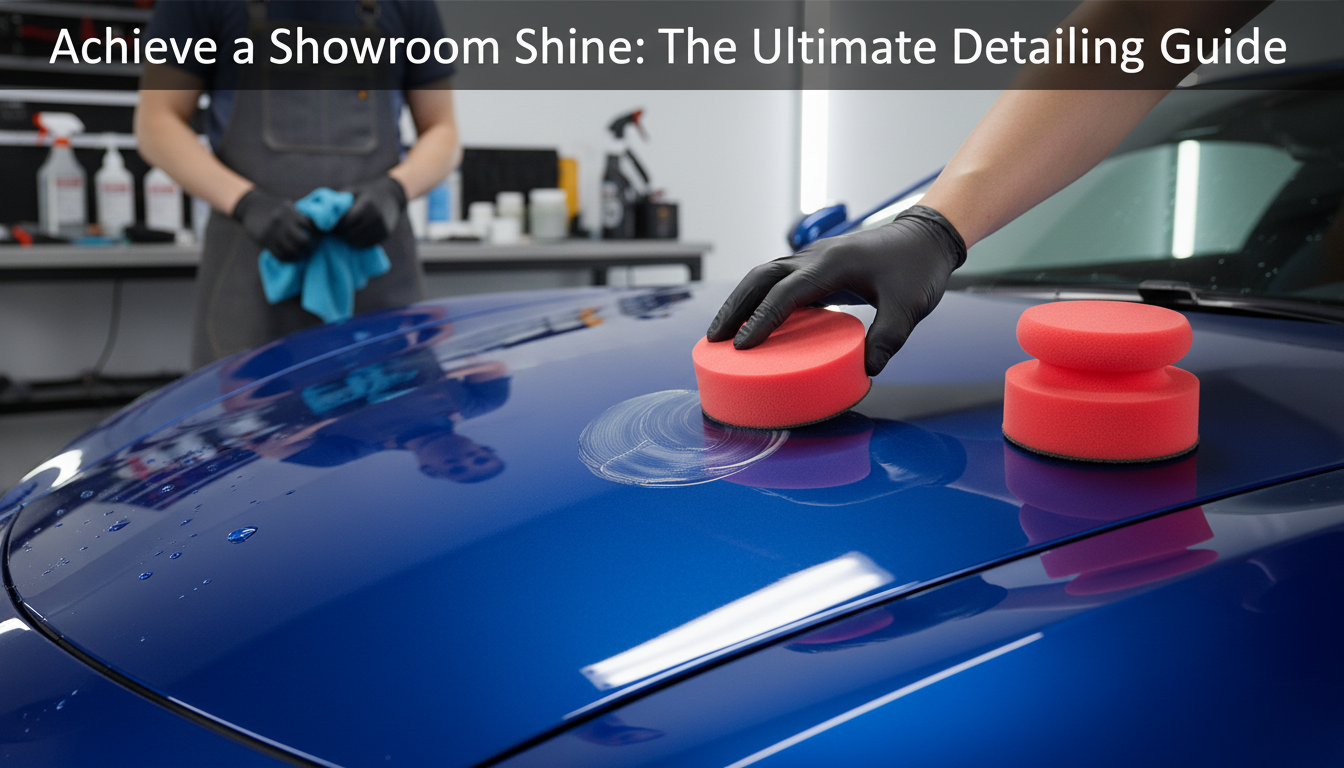
Magic Clay Sponge for Car Glass and Paint: Smooth Finish, Faster Decontamination
Road film, industrial fallout, and embedded grit can cling to paint and glass even after a normal wash, leaving surfaces rough and reducing clarity. A magic clay sponge combines a clay-style decontamination layer with an easy-to-hold sponge body to lift bonded contaminants, helping restore slickness before waxing, polishing, or applying protection.
What a Magic Clay Sponge Does
A clay sponge is designed for the “stuck-on” contamination that shampoo and mitts don’t always remove. With the right lubrication and a gentle touch, it can noticeably change how your paint and glass feel.
- Targets bonded contaminants that regular shampoo may not remove: overspray, brake dust residue, rail dust, sap mist, and stubborn film on glass.
- Improves surface smoothness so wax, sealant, or ceramic spray can bond more evenly.
- Helps reduce chatter during polishing by starting with a cleaner surface.
- Useful for both paint and exterior glass when used with proper lubrication and gentle pressure.
Where It Fits in an Auto Detailing Routine
Think of claying as the “reset” step that prepares the surface for better gloss and longer-lasting protection. For many daily drivers, it’s most noticeable right before applying a seasonal protectant.
- Wash first: remove loose dirt to avoid dragging grit across the surface.
- Decontaminate next: use the clay sponge on paint, glass, and glossy trim (avoid matte finishes unless the manufacturer confirms compatibility).
- Then correct or protect: follow with polish if needed, then wax/sealant/ceramic protection for easier future cleaning.
- Best timing: before seasonal protection (winter prep, summer prep) or whenever the surface feels rough after washing.
For general washing best practices and safe surface care, refer to guidance from the International Carwash Association and paint-care recommendations from 3M Auto Care.
How to Use It Safely (Quick Steps)
The fastest results come from patience, lubrication, and small sections. Rushing usually shows up later as haze or fine marring—especially on darker paint.
- Work on a cool surface in the shade; heat can dry lubrication quickly and increase marring risk.
- Use plenty of lubricant: a dedicated clay lubricant, rinseless wash solution mixed as a clay lube, or a slick car shampoo solution in a spray bottle.
- Glide with light pressure in straight lines; let the clay layer do the work rather than pushing down.
- Check the surface frequently by lightly bagging a hand (thin plastic bag) to feel remaining grit; stop when it feels smooth.
- Rinse and re-lube often; if the sponge picks up visible debris, clean it before continuing.
Paint vs. Glass: Practical Tips
On painted panels
- Use the most lubrication and the lightest pressure; the goal is “glide,” not scrubbing.
- After claying, add protection (wax, sealant, or ceramic spray) to restore slickness and slow down recontamination.
- If the vehicle has very soft paint or heavy contamination, plan a gentle polish afterward for best gloss.
On exterior glass
- Great for removing stubborn film and improving wiper performance and smoothness.
- Finish with a dedicated glass cleaner for maximum clarity.
- Avoid using on dry surfaces; dry claying can create haze or micro-marring.
- Keep use to exterior glass; do not use on interior tinted film.
Common Mistakes to Avoid
- Skipping the pre-wash: claying over loose dirt can cause scratches.
- Not using enough lubrication: increased friction can leave marks, especially on dark colors.
- Working too large an area at once: lubrication dries; use smaller sections (e.g., half a hood, one door).
- Using aggressive pressure to “speed up”: better results come from more lube and repeated light passes.
- Using on sensitive surfaces (matte paint, uncoated plastics) without testing: spot-test in an inconspicuous area first.
Care, Cleaning, and Storage
Keeping the clay surface clean is what keeps the tool safe. A few minutes of cleanup helps prevent grinding leftover grit into the next vehicle.
Quick Comparison: Clay Sponge vs. Traditional Clay Bar
At-a-Glance Differences
| Feature | Magic Clay Sponge | Traditional Clay Bar |
|---|---|---|
| Handling | Comfortable grip; easy to maneuver | Needs kneading; can be slippery |
| Cleaning during use | Rinse under water and re-lube | Fold/knead to expose clean surface |
| If dropped | Often can be rinsed and inspected, but may still be risky if grit embeds | Usually discarded to avoid scratching |
| Best for | Quick decon on larger areas; routine maintenance | Precision work; users who prefer more tactile feedback |
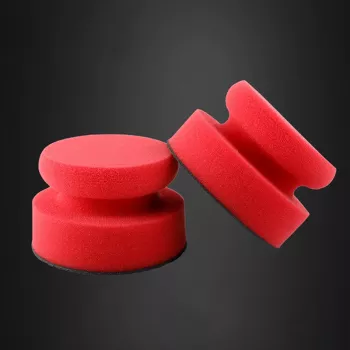
Product Snapshot: Magic Clay Sponge Cleaning Eraser Hand Wax Polish Pad
Magic Clay Sponge Cleaning Eraser Hand Wax Polish Pad for Car Glass & Auto Detailing
More In-Stock Picks
- Losing Body Fat Percentage eBook | Complete Guide on how to lose body fat percentage, Nutrition, Workouts & Lifestyle Strategies for Sustainable Fat Loss
- Helping Teens Build Healthy Connections in a Digital World – eBook Guide on how to help teens build healthy friendships, Teen Communication & Social Skills Resource
- Your Go-To Ingredients for Dry, Damaged Hair – Ultimate Checklist of Ingredients for Dry Damaged Hair, Hair Repair Guide, Healthy Hair Care Digital Download
FAQ
Will a clay sponge scratch car paint?
It can cause light marring if there isn’t enough lubrication, if too much pressure is used, or if the paint is very soft. Wash first, keep the surface very wet with clay lube, use gentle passes, and consider a finishing polish afterward on dark or soft paints.
What can be used as clay lubricant?
Use a dedicated clay lubricant, a rinseless wash mixed for claying, or a slick car shampoo solution in a spray bottle. Avoid household cleaners that can dry the surface or increase friction; reapply often so the sponge always glides.
Can it be used on windshield glass and windows?
Yes—on exterior glass it can remove bonded film and help the glass feel smoother for better wiper performance. Use plenty of lubrication and light pressure, then finish with a glass cleaner; avoid using it on interior tinted film.
Recommended for you

Motivating Enneagram Type 2: 5 Practical Ways
Jun 2, 2026













Leave a comment