-
Shop
- Advanced Technologies
- AI Skills Mastery 2026 Collection
- Beauty
- Best-Sellers
- Calvin Klein
- Car Accessories
- Car Buying & Ownership
- Dating & Social Confidence
- Dating & Social Skills
- Denim
- 7FOR
- AGOLDE
- Antony Morato
- Armani Exchange
- Boss
- Brunello Cucinelli
- Calvin Klein Jeans
- Costume National
- Desigual
- Diesel
- Dolce & Gabbana
- Dsquared²
- Ermanno Scervino
- Fendi
- Gianni Lupo
- Guess Jeans
- Ichi
- Just Cavalli
- Lee
- Levi's
- Liu Jo
- Morgan De Toi
- Mother Denim
- Only
- Pepe Jeans
- Pinko
- Replay
- Tommy Hilfiger Jeans
- Valentino
- Vero Moda
- Digital Resources
- Education & Learning
- Family & Parenting
- Fashion
- Alexander McQueen
- Bags & Wallets
- Balenciaga
- Belts
- Bottega Veneta
- Brunello Cucinelli
- Burberry
- Chanel
- Chloé
- Dior
- Dolce & Gabbana
- Etro
- Fendi
- Gucci
- Hats & Hair Accessories
- Jacquemus
- Jewelry
- Jil Sander
- Jimmy Choo
- Keychains
- Kiton
- Miu Miu
- Off-White
- Prada
- Rick Owens
- Saint Laurent
- Shoes
- Socks & Tights
- Sunglasses
- The Row
- Tom Ford
- Valentino
- Valentino Garavani
- Versace
- Vivienne Westwood
- Watches
- Fashion & Style
- Fashion Accessories
- Financial Education
- Find Your Path Collection
- Fitness
- Furniture
- Gadgets
- Health & Beauty
- Health & Wellness
- Home & Garden
- Home & Kitchen
- Home Styling & Organization
- Home Supplies
- Kids & Babies
- Kitchen
- Lighting
- Nike
- Online Business
- Online Business for Beginners
- Parenting
- Patio, Lawn & Garden
- Personal Growth
- Pet Care
- Pet Supplies
- Pets
- Smart Life with IA
- Sport & Outdoors
- Super Deals
- Travel
- Wealth
- Wealth Building
- Wellness
- YouTube Shorts Best-Sellers
- Popular
- Best deals
70/20/10 Rule: Easy Color Balance for Any Room
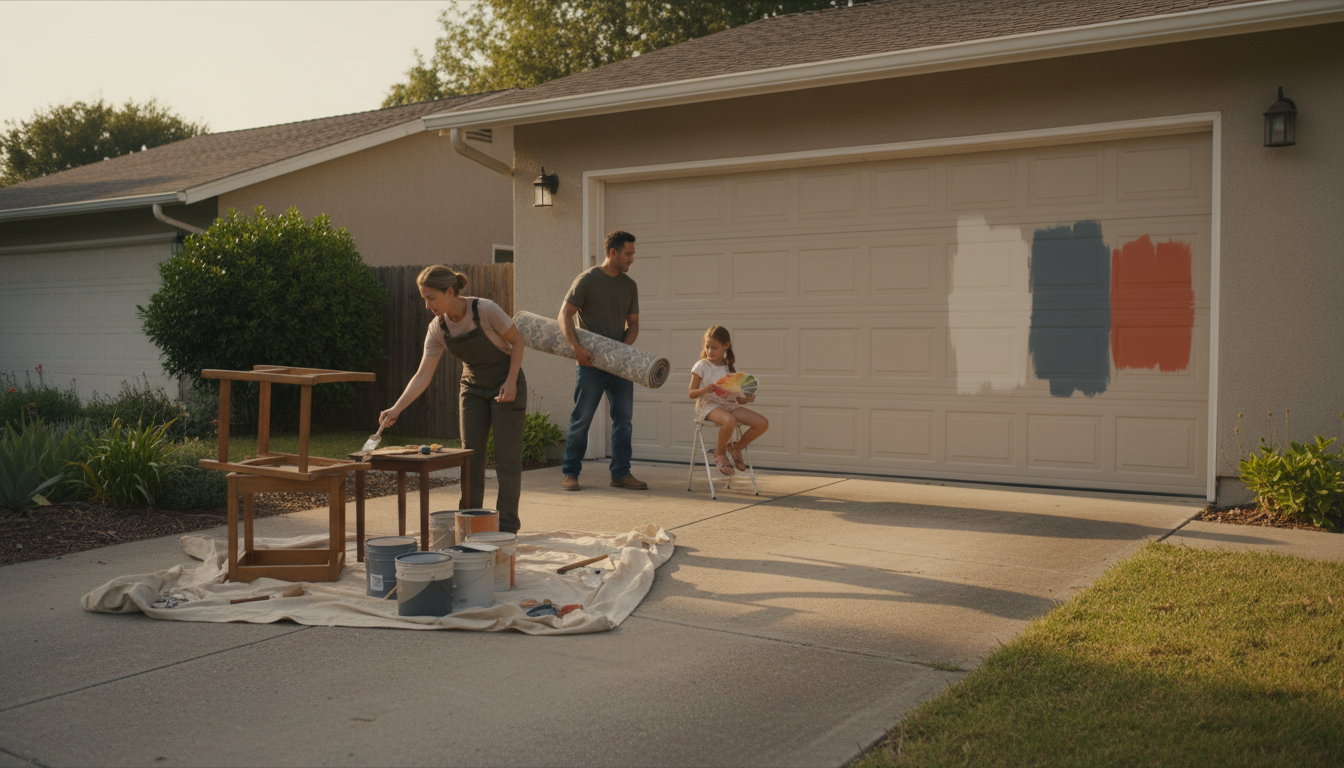
What is the 70/20/10 rule in interior design?
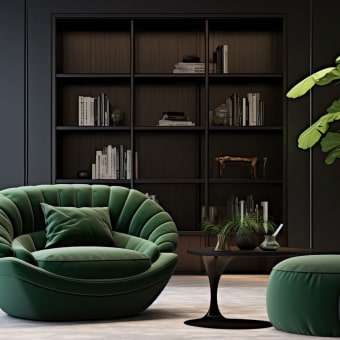
The 70/20/10 rule is a simple way to balance a room’s color (and sometimes pattern) so it looks intentional instead of busy. It breaks the palette into three parts: 70% is the dominant color, 20% is a secondary color, and 10% is an accent color. The percentages aren’t meant to be measured with a calculator—they’re a visual guideline that keeps the space cohesive.
How the 70% dominant color works
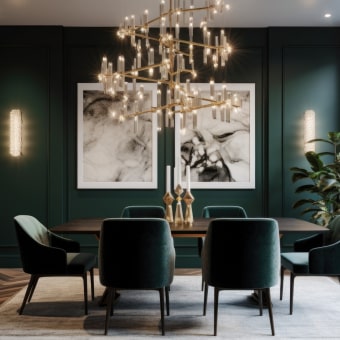
The 70% portion usually shows up on the largest surfaces: walls, big area rugs, large sofas, and major case goods. Neutral paint, warm whites, soft grays, or a muted tone often work well here because they create a calm “background” that supports everything else. If the room feels chaotic, simplifying the dominant layer is often the fastest fix.
Where to use the 20% secondary color
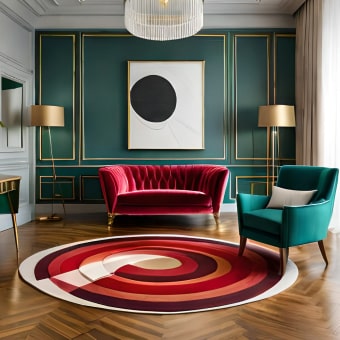
The 20% layer adds contrast and depth without taking over. Think: curtains, accent chairs, a pair of side chairs, bedding, or larger decorative pieces. A secondary color can be a deeper version of the dominant shade or a complementary hue. The goal is to create structure—like a strong supporting cast—so the room doesn’t read as one flat color.
Making the 10% accent feel “just right”
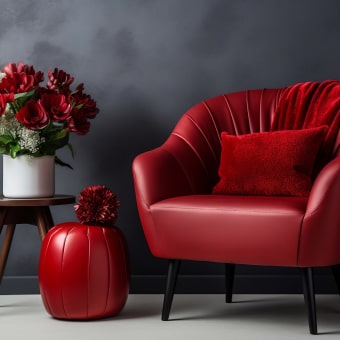
The 10% accent is the punctuation: throw pillows, art, a vase, lampshades, or a bold tray on the coffee table. This is where brighter color, metallics, or high-contrast patterns can shine. Scattering accents around the room (instead of clustering them in one corner) helps the eye move naturally.
How it connects to furniture layout and flow
Even a perfect palette can feel off if the room’s layout blocks pathways or forces awkward seating. Pair the 70/20/10 color balance with smart placement—clear walkways, conversational groupings, and chairs that don’t interrupt circulation. For practical layout ideas, see these chair placement tips for better flow and function.
FAQ
How do you balance furniture in a living room?
Start with a clear focal point, then distribute visual weight by mixing large and smaller pieces on opposite sides of the room. Leave comfortable walking paths, and use rugs and lighting to anchor seating zones.
Recommended for you



Pay Off a Galaxy-Wide Fine in Elite Dangerous Fast
Jul 17, 2026









Leave a comment