-
Shop
- Advanced Technologies
- AI Skills Mastery 2026 Collection
- Beauty
- Best-Sellers
- Calvin Klein
- Car Accessories
- Car Buying & Ownership
- Dating & Social Confidence
- Dating & Social Skills
- Denim
- 7FOR
- AGOLDE
- Antony Morato
- Armani Exchange
- Boss
- Brunello Cucinelli
- Calvin Klein Jeans
- Costume National
- Desigual
- Diesel
- Dolce & Gabbana
- Dsquared²
- Ermanno Scervino
- Fendi
- Gianni Lupo
- Guess Jeans
- Ichi
- Just Cavalli
- Lee
- Levi's
- Liu Jo
- Morgan De Toi
- Mother Denim
- Only
- Pepe Jeans
- Pinko
- Replay
- Tommy Hilfiger Jeans
- Valentino
- Vero Moda
- Digital Resources
- Education & Learning
- Family & Parenting
- Fashion
- Alexander McQueen
- Bags & Wallets
- Balenciaga
- Belts
- Bottega Veneta
- Brunello Cucinelli
- Burberry
- Chanel
- Chloé
- Dior
- Dolce & Gabbana
- Etro
- Fendi
- Gucci
- Hats & Hair Accessories
- Jacquemus
- Jewelry
- Jil Sander
- Jimmy Choo
- Keychains
- Kiton
- Miu Miu
- Off-White
- Prada
- Rick Owens
- Saint Laurent
- Shoes
- Socks & Tights
- Sunglasses
- The Row
- Tom Ford
- Valentino
- Valentino Garavani
- Versace
- Vivienne Westwood
- Watches
- Fashion & Style
- Fashion Accessories
- Financial Education
- Find Your Path Collection
- Fitness
- Furniture
- Gadgets
- Health & Beauty
- Health & Wellness
- Home & Garden
- Home & Kitchen
- Home Styling & Organization
- Home Supplies
- Kids & Babies
- Kitchen
- Lighting
- Nike
- Online Business
- Online Business for Beginners
- Parenting
- Patio, Lawn & Garden
- Personal Growth
- Pet Care
- Pet Supplies
- Pets
- Smart Life with IA
- Sport & Outdoors
- Super Deals
- Travel
- Wealth
- Wealth Building
- Wellness
- YouTube Shorts Best-Sellers
- Popular
- Best deals
Arrange Furniture for Better Flow: Easy Layout Rules
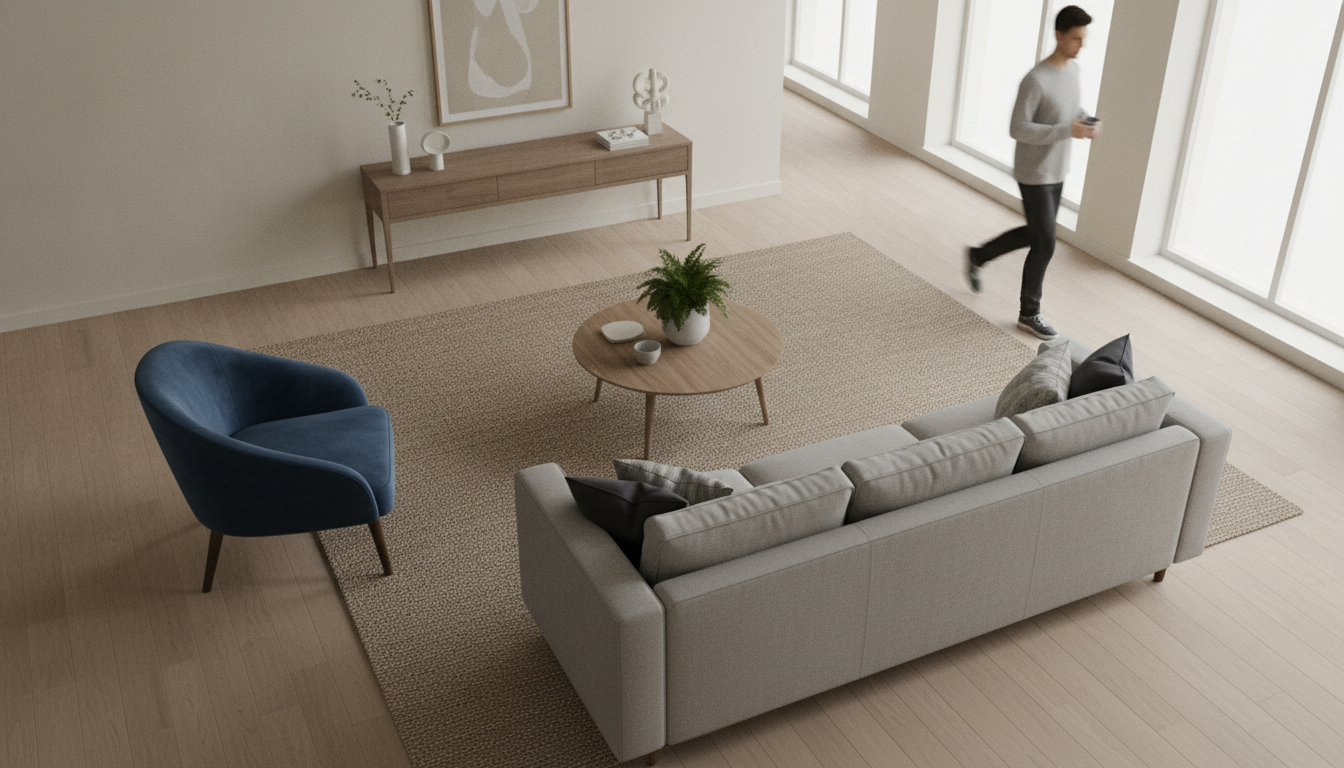
How to arrange furniture for better flow?
Better flow means people can move through a room without dodging corners, squeezing between pieces, or getting “stuck” at doorways. Start by identifying the main paths: from the entry to seating, to adjoining rooms, and to frequently used spots like a TV stand or reading corner. Treat those routes as non-negotiable walkways, then arrange furniture around them.
Start with the room’s natural traffic lanes
Keep primary walkways clear and consistent. A practical target is about 30–36 inches for major pathways and around 18 inches between a sofa and coffee table so it’s easy to stand up and set things down. If the room is tight, shrink side pieces (like a bulky chair or oversized table) before shrinking the walkway.
Anchor the layout with one “main” piece
Choose the largest or most-used item—often the sofa—and position it to define the seating zone without blocking doors or windows. Then add chairs to form a conversation shape (like a U or L), leaving open corners and entry points so the room feels welcoming rather than crowded.
Float furniture when walls create bottlenecks
Pushing everything to the walls can actually reduce flow by creating long, awkward gaps and narrow choke points near doors. Try floating a sofa or chairs slightly off the wall to create a clean corridor behind or beside them. This is especially helpful in open-concept spaces where you want a clear route through the room.
Use rugs and lighting to “signal” where to walk
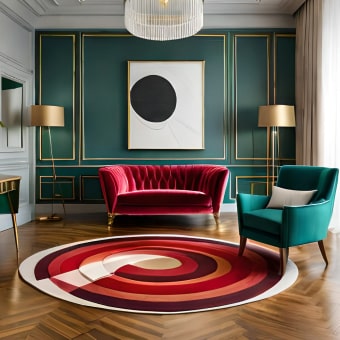
A rug that fits the seating area (front legs of major pieces on the rug) visually defines where to sit, leaving surrounding floor space to move. Floor lamps or table lamps placed at the edges of a zone help outline boundaries without adding physical obstacles.
For more chair-focused layout ideas and spacing guidance, see this guide to chair placement tips for better flow and function.
FAQ
How do you make a small living room feel less cramped?
Choose fewer, more versatile pieces (like a slim chair and a nesting table), keep walkways open, and use a rug to define the seating zone. Pull furniture slightly away from walls if it prevents tight pinch points near doorways.










Leave a comment