-
Shop
- Advanced Technologies
- AI Skills Mastery 2026 Collection
- Best-Sellers
- Calvin Klein
- Car Accessories
- Car Buying & Ownership
- Dating & Social Skills
- Denim
- 7FOR
- AGOLDE
- Antony Morato
- Armani Exchange
- Boss
- Brunello Cucinelli
- Calvin Klein Jeans
- Costume National
- Desigual
- Diesel
- Dolce & Gabbana
- Dsquared²
- Ermanno Scervino
- Fendi
- Gianni Lupo
- Guess Jeans
- Ichi
- Just Cavalli
- Lee
- Levi's
- Liu Jo
- Morgan De Toi
- Mother Denim
- Only
- Pepe Jeans
- Pinko
- Replay
- Tommy Hilfiger Jeans
- Valentino
- Vero Moda
- Digital Resources
- Education & Learning
- Family & Parenting
- Fashion
- Alexander McQueen
- Bags & Wallets
- Balenciaga
- Belts
- Bottega Veneta
- Brunello Cucinelli
- Burberry
- Chanel
- Chloé
- Dior
- Dolce & Gabbana
- Etro
- Fendi
- Gucci
- Hats & Hair Accessories
- Jacquemus
- Jewelry
- Jil Sander
- Jimmy Choo
- Keychains
- Kiton
- Miu Miu
- Off-White
- Prada
- Rick Owens
- Saint Laurent
- Shoes
- Socks & Tights
- Sunglasses
- The Row
- Tom Ford
- Valentino
- Valentino Garavani
- Versace
- Vivienne Westwood
- Watches
- Fashion & Style
- Fashion Accessories
- Financial Education
- Find Your Path Collection
- Fitness
- Furniture
- Gadgets
- Health & Beauty
- Health & Wellness
- Home & Garden
- Home & Kitchen
- Home Styling & Organization
- Home Supplies
- Kids & Babies
- Kitchen
- Lighting
- Nike
- Online Business
- Online Business for Beginners
- Parenting
- Patio, Lawn & Garden
- Personal Growth
- Pet Care
- Pet Supplies
- Pets
- Smart Life with IA
- Sport & Outdoors
- Super Deals
- Travel
- Wealth
- Wealth Building
- Wellness
- YouTube Shorts Best-Sellers
- Popular
- Best deals
Motivating Enneagram Type 2: 5 Practical Ways
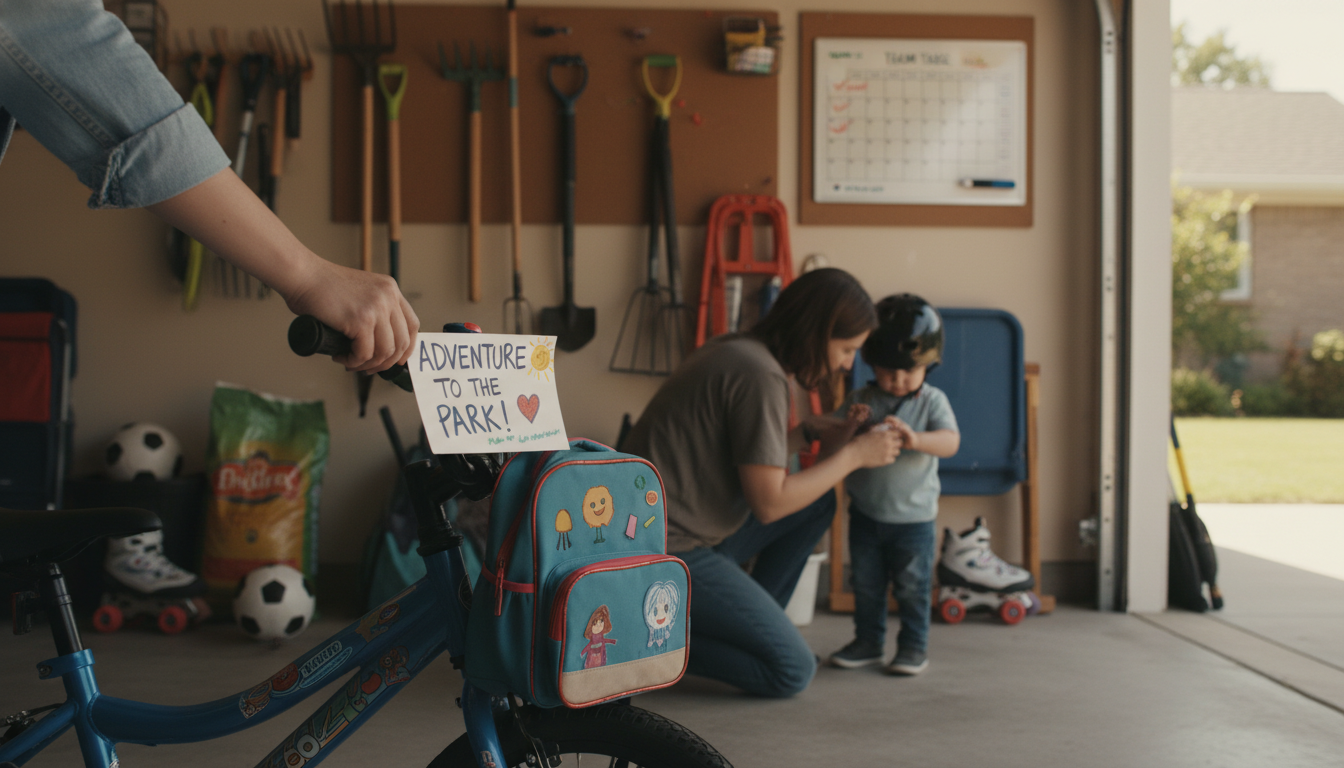
How to motivate an Enneagram 2?
Enneagram 2s (often called “Helpers”) feel most energized when they’re needed, appreciated, and connected to the people around them. The fastest way to motivate a Type 2 is to tie the goal to real human impact, recognize their effort out loud, and give them a clear role where their support makes a visible difference.
1) Connect the task to people, not just outcomes
Instead of leading with metrics or abstract goals, highlight who benefits. “When you follow up with customers, they feel cared for and return” lands better than “we need higher retention.” Type 2 motivation rises when they can picture someone being helped.
2) Offer sincere, specific appreciation
General praise can feel flimsy. Name the exact behavior and the effect: “Your check-in message helped them feel safe enough to ask for what they needed.” This reinforces their core strength and keeps momentum going.
3) Give them a meaningful responsibility (and a finish line)
Type 2s can overextend when expectations are fuzzy. Assign a defined role—welcome new team members, support a launch, manage follow-ups—and pair it with a clear boundary: what “done” looks like, how many people they’re responsible for, and when to hand off.
4) Encourage needs and limits without making it awkward
Twos often push past their own capacity. A motivating environment makes it normal to ask: “What support do you need?” and “What’s not yours to carry?” Protecting their energy prevents burnout and keeps their giving genuine rather than resentful.
5) Use conflict-free clarity
If they’re stuck, offer choices instead of criticism: “Would you rather handle outreach or coordinate the care packages?” Clear options maintain harmony while still moving forward.
For a complementary approach focused on keeping peace and reducing friction, see the checklist-style guide here: how to motivate Enneagram 9s (peace-first checklist). Many Type 2s also respond well to calm, low-pressure structure.
FAQ
How to motivate an enneagram 2 female
Focus on appreciation that’s specific and personal, and connect the goal to relationships or community impact. Offer clear boundaries so she can give without feeling taken for granted, and invite her preferences so support doesn’t become obligation.












Leave a comment