-
Shop
- Advanced Technologies
- AI Skills Mastery 2026 Collection
- Beauty
- Best-Sellers
- Calvin Klein
- Car Accessories
- Car Buying & Ownership
- Dating & Social Confidence
- Dating & Social Skills
- Denim
- 7FOR
- AGOLDE
- Antony Morato
- Armani Exchange
- Boss
- Brunello Cucinelli
- Calvin Klein Jeans
- Costume National
- Desigual
- Diesel
- Dolce & Gabbana
- Dsquared²
- Ermanno Scervino
- Fendi
- Gianni Lupo
- Guess Jeans
- Ichi
- Just Cavalli
- Lee
- Levi's
- Liu Jo
- Morgan De Toi
- Mother Denim
- Only
- Pepe Jeans
- Pinko
- Replay
- Tommy Hilfiger Jeans
- Valentino
- Vero Moda
- Digital Resources
- Education & Learning
- Family & Parenting
- Fashion
- Alexander McQueen
- Bags & Wallets
- Balenciaga
- Belts
- Bottega Veneta
- Brunello Cucinelli
- Burberry
- Chanel
- Chloé
- Dior
- Dolce & Gabbana
- Etro
- Fendi
- Gucci
- Hats & Hair Accessories
- Jacquemus
- Jewelry
- Jil Sander
- Jimmy Choo
- Keychains
- Kiton
- Miu Miu
- Off-White
- Prada
- Rick Owens
- Saint Laurent
- Shoes
- Socks & Tights
- Sunglasses
- The Row
- Tom Ford
- Valentino
- Valentino Garavani
- Versace
- Vivienne Westwood
- Watches
- Fashion & Style
- Fashion Accessories
- Financial Education
- Find Your Path Collection
- Fitness
- Furniture
- Gadgets
- Health & Beauty
- Health & Wellness
- Home & Garden
- Home & Kitchen
- Home Styling & Organization
- Home Supplies
- Kids & Babies
- Kitchen
- Lighting
- Nike
- Online Business
- Online Business for Beginners
- Parenting
- Patio, Lawn & Garden
- Personal Growth
- Pet Care
- Pet Supplies
- Pets
- Smart Life with IA
- Sport & Outdoors
- Super Deals
- Travel
- Wealth
- Wealth Building
- Wellness
- YouTube Shorts Best-Sellers
- Popular
- Best deals
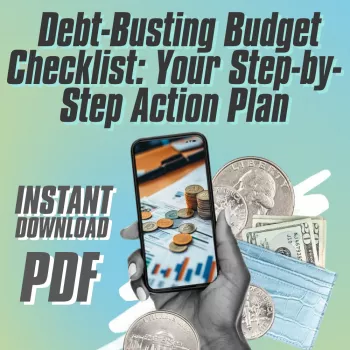
Debt-Busting Budget Checklist: What to Include Fast

What should be included in a debt-busting budget checklist to pay off debt faster?
A debt-busting budget checklist keeps your money decisions simple, repeatable, and focused on speed. The goal is to know exactly what you earn, what you must pay, what you can cut, and how much extra you can send to debt every month without guessing.
1) Your full financial snapshot
Start with take-home income (paychecks, side income, benefits) and list every monthly bill. Pull the last 60–90 days of statements so subscriptions, fees, and “small” purchases don’t hide. Add due dates so you can line up payments with paydays and avoid late charges.
2) A bare-bones “must pay” spending plan
Write out the essentials: housing, utilities, transportation, basic groceries, insurance, minimum debt payments, and required childcare. Give each a realistic dollar limit. This becomes your default budget when you’re pushing hard on debt.
3) A complete debt inventory
For each debt, include: balance, APR, minimum payment, due date, and payoff address/login. Also note any promotional rates and when they expire. This list is the foundation for a payoff strategy and helps prevent missed details.
4) Your payoff method and “extra payment” rule
Choose one method and commit: avalanche (highest APR first) or snowball (smallest balance first). Add a rule for extra money (overtime, refunds, gifts): assign a percentage that automatically goes to your target debt.
5) A weekly tracking routine
Schedule a 10-minute check-in once a week: verify spending totals, confirm upcoming due dates, and move any leftover cash to debt immediately. Tracking weekly prevents small overruns from derailing the month.
6) An emergency buffer and guardrails
Include a starter emergency fund (even $500–$1,000) to reduce new credit card use. Add guardrails like a pause list for nonessential spending and a “cash-only” category for problem areas.
For a deeper walkthrough and a ready-to-use checklist framework, visit the main article.
FAQ
Should I save money or pay off debt first?
Many people do both by building a small emergency buffer first, then focusing aggressively on high-interest debt. That combination helps you avoid going back into debt when surprises happen.
Recommended for you


What should be included in a debt-busting budget checklist to pay off debt faster?
A debt-busting budget checklist keeps your money decisions simple, repeatable, and focused on speed. The goal is to know exactly what you earn, what you must pay, what you can cut, and how much extra you can send to debt every month without guessing.
1) Your full financial snapshot
Start with take-home income (paychecks, side income, benefits) and list every monthly bill. Pull the last 60–90 days of statements so subscriptions, fees, and “small” purchases don’t hide. Add due dates so you can line up payments with paydays and avoid late charges.
2) A bare-bones “must pay” spending plan
Write out the essentials: housing, utilities, transportation, basic groceries, insurance, minimum debt payments, and required childcare. Give each a realistic dollar limit. This becomes your default budget when you’re pushing hard on debt.
3) A complete debt inventory
For each debt, include: balance, APR, minimum payment, due date, and payoff address/login. Also note any promotional rates and when they expire. This list is the foundation for a payoff strategy and helps prevent missed details.
4) Your payoff method and “extra payment” rule
Choose one method and commit: avalanche (highest APR first) or snowball (smallest balance first). Add a rule for extra money (overtime, refunds, gifts): assign a percentage that automatically goes to your target debt.
5) A weekly tracking routine
Schedule a 10-minute check-in once a week: verify spending totals, confirm upcoming due dates, and move any leftover cash to debt immediately. Tracking weekly prevents small overruns from derailing the month.
6) An emergency buffer and guardrails
Include a starter emergency fund (even $500–$1,000) to reduce new credit card use. Add guardrails like a pause list for nonessential spending and a “cash-only” category for problem areas.
For a deeper walkthrough and a ready-to-use checklist framework, visit the main article.
FAQ
Should I save money or pay off debt first?
Many people do both by building a small emergency buffer first, then focusing aggressively on high-interest debt. That combination helps you avoid going back into debt when surprises happen.
Recommended for you
What should be included in a debt-busting budget checklist to pay off debt faster?
A debt-busting budget checklist keeps your money decisions simple, repeatable, and focused on speed. The goal is to know exactly what you earn, what you must pay, what you can cut, and how much extra you can send to debt every month without guessing.
1) Your full financial snapshot
Start with take-home income (paychecks, side income, benefits) and list every monthly bill. Pull the last 60–90 days of statements so subscriptions, fees, and “small” purchases don’t hide. Add due dates so you can line up payments with paydays and avoid late charges.
2) A bare-bones “must pay” spending plan
Write out the essentials: housing, utilities, transportation, basic groceries, insurance, minimum debt payments, and required childcare. Give each a realistic dollar limit. This becomes your default budget when you’re pushing hard on debt.
3) A complete debt inventory
For each debt, include: balance, APR, minimum payment, due date, and payoff address/login. Also note any promotional rates and when they expire. This list is the foundation for a payoff strategy and helps prevent missed details.
4) Your payoff method and “extra payment” rule
Choose one method and commit: avalanche (highest APR first) or snowball (smallest balance first). Add a rule for extra money (overtime, refunds, gifts): assign a percentage that automatically goes to your target debt.
5) A weekly tracking routine
Schedule a 10-minute check-in once a week: verify spending totals, confirm upcoming due dates, and move any leftover cash to debt immediately. Tracking weekly prevents small overruns from derailing the month.
6) An emergency buffer and guardrails
Include a starter emergency fund (even $500–$1,000) to reduce new credit card use. Add guardrails like a pause list for nonessential spending and a “cash-only” category for problem areas.
For a deeper walkthrough and a ready-to-use checklist framework, visit the main article.
FAQ
Should I save money or pay off debt first?
Many people do both by building a small emergency buffer first, then focusing aggressively on high-interest debt. That combination helps you avoid going back into debt when surprises happen.
Recommended for you
Debt-Busting Budget Checklist: What to Include Fast
May 21, 2026
White Cotton Jeans: Prevent Sheerness & Test Opacity
May 21, 2026













Leave a comment