-
Shop
- Advanced Technologies
- AI Skills Mastery 2026 Collection
- Beauty
- Best-Sellers
- Calvin Klein
- Car Accessories
- Car Buying & Ownership
- Dating & Social Confidence
- Dating & Social Skills
- Denim
- 7FOR
- AGOLDE
- Antony Morato
- Armani Exchange
- Boss
- Brunello Cucinelli
- Calvin Klein Jeans
- Costume National
- Desigual
- Diesel
- Dolce & Gabbana
- Dsquared²
- Ermanno Scervino
- Fendi
- Gianni Lupo
- Guess Jeans
- Ichi
- Just Cavalli
- Lee
- Levi's
- Liu Jo
- Morgan De Toi
- Mother Denim
- Only
- Pepe Jeans
- Pinko
- Replay
- Tommy Hilfiger Jeans
- Valentino
- Vero Moda
- Digital Resources
- Education & Learning
- Family & Parenting
- Fashion
- Alexander McQueen
- Bags & Wallets
- Balenciaga
- Belts
- Bottega Veneta
- Brunello Cucinelli
- Burberry
- Chanel
- Chloé
- Dior
- Dolce & Gabbana
- Etro
- Fendi
- Gucci
- Hats & Hair Accessories
- Jacquemus
- Jewelry
- Jil Sander
- Jimmy Choo
- Keychains
- Kiton
- Miu Miu
- Off-White
- Prada
- Rick Owens
- Saint Laurent
- Shoes
- Socks & Tights
- Sunglasses
- The Row
- Tom Ford
- Valentino
- Valentino Garavani
- Versace
- Vivienne Westwood
- Watches
- Fashion & Style
- Fashion Accessories
- Financial Education
- Find Your Path Collection
- Fitness
- Furniture
- Gadgets
- Health & Beauty
- Health & Wellness
- Home & Garden
- Home & Kitchen
- Home Styling & Organization
- Home Supplies
- Kids & Babies
- Kitchen
- Lighting
- Nike
- Online Business
- Online Business for Beginners
- Parenting
- Patio, Lawn & Garden
- Personal Growth
- Pet Care
- Pet Supplies
- Pets
- Smart Life with IA
- Sport & Outdoors
- Super Deals
- Travel
- Wealth
- Wealth Building
- Wellness
- YouTube Shorts Best-Sellers
- Popular
- Best deals
Problems With Critical Thinking: 5 Common Pitfalls
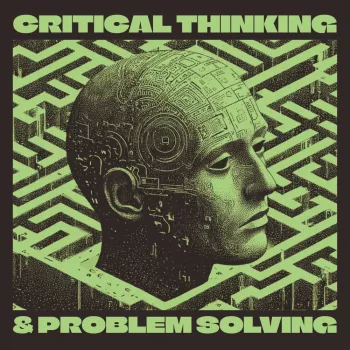
What are the problems with critical thinking?
Critical thinking is powerful, but it comes with trade-offs that can trip people up—especially when decisions need to be made quickly, collaboratively, or with incomplete information. Understanding the common problems helps keep “thinking critically” from turning into overthinking, cynicism, or stalled progress.
It can slow decisions when speed matters
Breaking a problem into parts, checking assumptions, and weighing alternatives takes time. In fast-moving situations, that extra rigor can delay action. The risk isn’t just lateness—it’s missing a narrow window where a “good enough” choice would outperform a perfect-but-late one.
Analysis paralysis and endless revising
Critical thinkers often keep searching for more data, more perspectives, and more counterarguments. When the goal shifts from making a decision to defending it against every possible objection, momentum drops and projects stall.
Bias can hide behind “logic”
Even careful reasoning can be steered by confirmation bias, motivated reasoning, or framing effects. People may selectively gather evidence, set unfair criteria, or move goalposts while still feeling objective. Practical bias checks and structured frameworks can reduce this, but they require discipline. For a deeper walkthrough of frameworks and bias checks, see this guide to critical thinking.
It can strain communication and teamwork
Constantly questioning claims can sound like criticism, even when it’s meant to improve quality. In group settings, rigorous debate can silence quieter voices, create defensiveness, or reward whoever argues most confidently rather than whoever is most accurate.
Not everything is solvable by pure reasoning
Some choices are value-driven (what matters most), relationship-driven (how people will feel), or uncertain by nature (no reliable data). Treating every decision like a logic puzzle can ignore human factors and lead to outcomes that are “rational” on paper but impractical in real life.
FAQ
How can you practice critical thinking without overthinking?
Set a decision deadline, define what “enough evidence” looks like up front, and use a simple checklist to test assumptions. Aim to reduce the biggest risks rather than eliminate every possible doubt.
Recommended for you


Best Comb for Wigs: Wide-Tooth vs Rat-Tail Tips
May 9, 2026













Leave a comment