-
Shop
- Advanced Technologies
- AI Skills Mastery 2026 Collection
- Beauty
- Best-Sellers
- Calvin Klein
- Car Accessories
- Car Buying & Ownership
- Dating & Social Confidence
- Dating & Social Skills
- Denim
- 7FOR
- AGOLDE
- Antony Morato
- Armani Exchange
- Boss
- Brunello Cucinelli
- Calvin Klein Jeans
- Costume National
- Desigual
- Diesel
- Dolce & Gabbana
- Dsquared²
- Ermanno Scervino
- Fendi
- Gianni Lupo
- Guess Jeans
- Ichi
- Just Cavalli
- Lee
- Levi's
- Liu Jo
- Morgan De Toi
- Mother Denim
- Only
- Pepe Jeans
- Pinko
- Replay
- Tommy Hilfiger Jeans
- Valentino
- Vero Moda
- Digital Resources
- Education & Learning
- Family & Parenting
- Fashion
- Alexander McQueen
- Bags & Wallets
- Balenciaga
- Belts
- Bottega Veneta
- Brunello Cucinelli
- Burberry
- Chanel
- Chloé
- Dior
- Dolce & Gabbana
- Etro
- Fendi
- Gucci
- Hats & Hair Accessories
- Jacquemus
- Jewelry
- Jil Sander
- Jimmy Choo
- Keychains
- Kiton
- Miu Miu
- Off-White
- Prada
- Rick Owens
- Saint Laurent
- Shoes
- Socks & Tights
- Sunglasses
- The Row
- Tom Ford
- Valentino
- Valentino Garavani
- Versace
- Vivienne Westwood
- Watches
- Fashion & Style
- Fashion Accessories
- Financial Education
- Find Your Path Collection
- Fitness
- Furniture
- Gadgets
- Health & Beauty
- Health & Wellness
- Home & Garden
- Home & Kitchen
- Home Styling & Organization
- Home Supplies
- Kids & Babies
- Kitchen
- Lighting
- Nike
- Online Business
- Online Business for Beginners
- Parenting
- Patio, Lawn & Garden
- Personal Growth
- Pet Care
- Pet Supplies
- Pets
- Smart Life with IA
- Sport & Outdoors
- Super Deals
- Travel
- Wealth
- Wealth Building
- Wellness
- YouTube Shorts Best-Sellers
- Popular
- Best deals
Vintage Resin Vase Style Guide: Retro Looks That Last
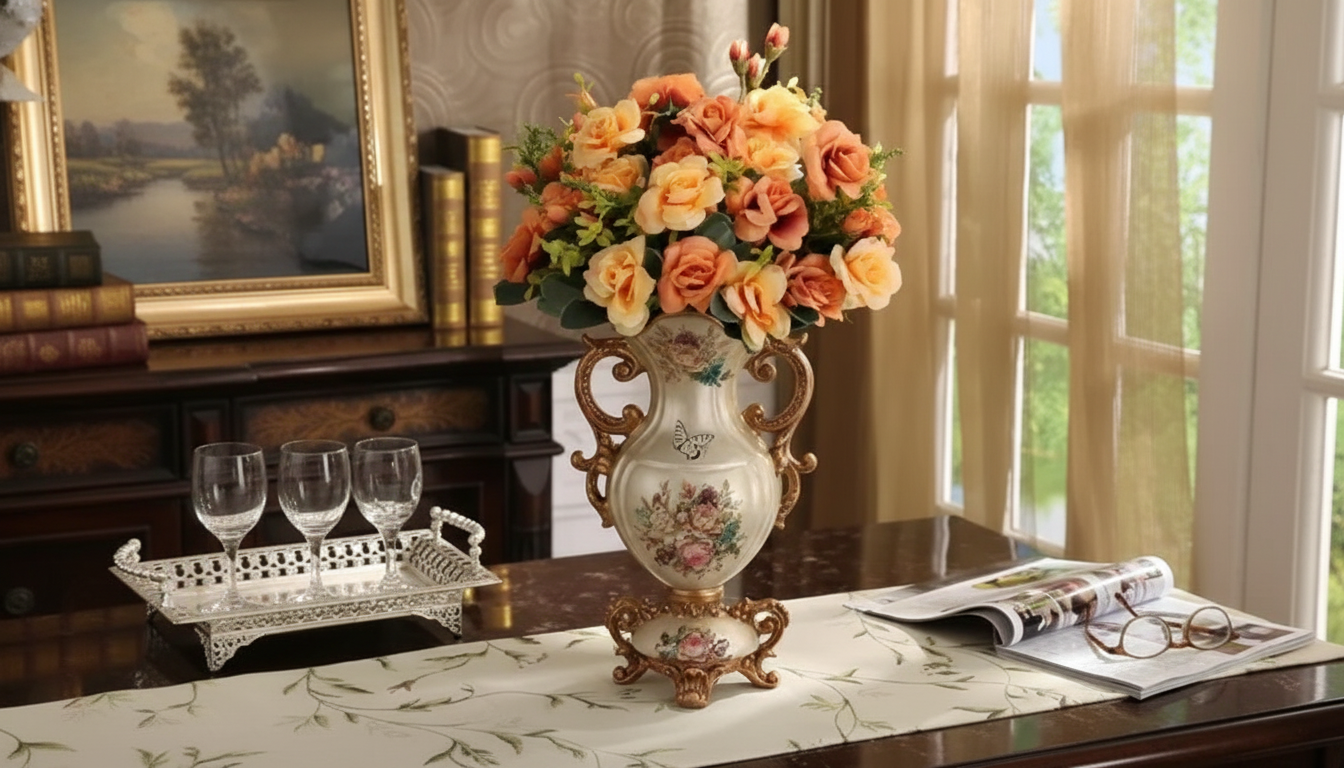
Vintage Resin Vase: Retro Charm, Modern Durability
A resin vase with a vintage look brings the warmth of mid-century decor into everyday spaces—without the fragility of traditional ceramics or glass. From smoky translucence to terrazzo-like flecks, resin makes it possible to capture retro color stories and sculptural silhouettes while staying practical for shelves, ledges, and high-traffic rooms. Below are the design cues that read “vintage,” how resin compares to other materials, and how to style and maintain the finish so it keeps its polished, collectible feel. For more guidance, see Stabilized Cholla Resin Vase | American Association of Woodturners.
What Makes a Resin Vase Feel Vintage
“Vintage-inspired” and truly vintage aren’t the same thing. A genuine vintage vase often reflects the production methods and materials of its era, while a vintage-inspired resin piece borrows the design language—shape, color, and surface effects—using modern molding and finishing for consistency and durability.
Retro silhouettes that instantly signal the era
Classic forms tend to repeat across decades: petite bud vases, amphora-like curves with a defined shoulder, tapered cylinders that feel sleek and architectural, and sculptural asymmetry that reads like a small art object. Even a simple outline can feel retro when proportions are right—especially a narrow neck paired with a fuller body.
Surface cues that create an aged, collected look
Resin can convincingly emulate timeworn character through faux patina, marbling, terrazzo-style flecks, smoky translucence, and warm amber tones. These details mimic the visual depth seen in older glass and art pottery, but with more control over how color layers and particles distribute.
Why resin suits vintage aesthetics
Resin excels at molded detailing and controlled translucency, making it easier to achieve “through-the-material” depth instead of a surface-only finish. That’s why resin often looks richer under lamplight and warmer in rooms with wood tones and brass accents.
Material Notes: Resin vs. Glass, Ceramic, and Metal
Choosing a vase is partly about style and partly about how it behaves in real life—especially if it’s going on a narrow console or a shelf you bump into.
Resin strengths for everyday decor
Resin is typically impact-resistant, lighter than glass or many ceramics, and stable in shape. That makes it a solid option for apartments, family rooms, and areas where décor gets moved frequently.
Compared with glass
Glass offers crisp clarity but can be unforgiving. Resin reduces shatter risk and is easier to handle, though glossy resin can scratch if cleaned with abrasive pads or gritty cloths.
Compared with ceramic
Ceramic can chip and may develop glaze crazing over time. Resin avoids glaze issues and supports embedded effects—sparkle, flakes, swirls, marbling—that are harder to do consistently in fired pieces.
Compared with metal
Metal brings a cool, reflective look but may corrode or oxidize, especially in humid conditions. Resin tends to read warmer visually and won’t leave oxidation marks on surfaces.
Best use cases include dried stems, faux botanicals, and fresh arrangements when the interior is designed to hold water. If you plan to use fresh flowers, confirm the vase is waterproof or use a liner insert.
Design Details to Look For When Choosing One
Shape and opening size
Color strategy
Finish and sheen
Weight and base stability
Placement planning
Styling Ideas for Different Rooms
Living room
Dining table
Entryway
Bedroom
Home office
Care, Cleaning, and Long-Term Maintenance
Routine dusting
Cleaning smudges
Avoiding heat and UV
Protecting furniture surfaces
If using fresh flowers
Collectibility Checks: Spotting Value in True Vintage Vases
Maker’s marks and labels
Signs of age vs. staged wear
Rarity, movement, and design significance
Distinctive silhouettes, limited runs, and recognizable design movements can increase desirability. Museum collections are a helpful reference for understanding period shapes and decorative trends; browse resources like The Metropolitan Museum of Art – Collection, Victoria and Albert Museum – Collections, and Smithsonian Magazine.
Condition factors
Provenance and documentation
Quick Reference: Choosing the Right Look and Size
| Priority | What to check | Why it matters |
|---|---|---|
| Stability | Wide base, balanced weight | Helps prevent tipping with tall stems or high-traffic placement |
| Arrangement type | Neck diameter and opening shape | Controls stem spread and overall silhouette of the bouquet |
| Finish | Glossy vs. satin/matte; visible swirls or flecks | Sets the retro mood and affects how light plays on the surface |
| Color | Warm amber, smoky neutral, or bold vintage tones | Coordinates with wood, brass, glass, and textiles in the room |
| Maintenance | Scratch resistance and ease of cleaning | Keeps the piece looking polished with everyday handling |
Product Spotlight
If you want the retro look without the worry of fragile materials, the Vintage Resin Vase is designed for easy, everyday styling—ideal for shelves, side tables, entry consoles, and layered vignettes with books and candles.
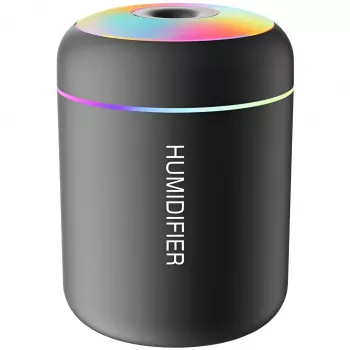
Pair it with dried florals, pampas grass, eucalyptus stems, or a minimalist single-stem arrangement for a retro-modern feel. For ambiance in the same styling zone, a small accessory like the Mini USB Aroma Humidifier & Essential Oil Diffuser with Soft LED Light can complement the warm, “collected” mood on a nightstand or office shelf.
FAQ
How can I identify a valuable vintage vase?
Check for maker’s marks or original labels (often on the base), confirm era-specific design cues, and weigh condition, rarity, and provenance. Consistent wear patterns tend to be more trustworthy than random “distressing,” and documentation like estate notes or appraisals can support value.
How to get resin out of a glass vase?
If the resin is fully cured and flexible, gently peel what you can and use warm soapy water to loosen residue, then lift it with a plastic scraper to avoid scratching. If it’s hardened and stuck, try a longer warm-water soak and careful mechanical removal; avoid harsh solvents that can damage glass finishes or create strong fumes.












Leave a comment