-
Shop
- Advanced Technologies
- AI Skills Mastery 2026 Collection
- Beauty
- Best-Sellers
- Calvin Klein
- Car Accessories
- Car Buying & Ownership
- Dating & Social Confidence
- Dating & Social Skills
- Denim
- 7FOR
- AGOLDE
- Antony Morato
- Armani Exchange
- Boss
- Brunello Cucinelli
- Calvin Klein Jeans
- Costume National
- Desigual
- Diesel
- Dolce & Gabbana
- Dsquared²
- Ermanno Scervino
- Fendi
- Gianni Lupo
- Guess Jeans
- Ichi
- Just Cavalli
- Lee
- Levi's
- Liu Jo
- Morgan De Toi
- Mother Denim
- Only
- Pepe Jeans
- Pinko
- Replay
- Tommy Hilfiger Jeans
- Valentino
- Vero Moda
- Digital Resources
- Education & Learning
- Family & Parenting
- Fashion
- Alexander McQueen
- Bags & Wallets
- Balenciaga
- Belts
- Bottega Veneta
- Brunello Cucinelli
- Burberry
- Chanel
- Chloé
- Dior
- Dolce & Gabbana
- Etro
- Fendi
- Gucci
- Hats & Hair Accessories
- Jacquemus
- Jewelry
- Jil Sander
- Jimmy Choo
- Keychains
- Kiton
- Miu Miu
- Off-White
- Prada
- Rick Owens
- Saint Laurent
- Shoes
- Socks & Tights
- Sunglasses
- The Row
- Tom Ford
- Valentino
- Valentino Garavani
- Versace
- Vivienne Westwood
- Watches
- Fashion & Style
- Fashion Accessories
- Financial Education
- Find Your Path Collection
- Fitness
- Furniture
- Gadgets
- Health & Beauty
- Health & Wellness
- Home & Garden
- Home & Kitchen
- Home Styling & Organization
- Home Supplies
- Kids & Babies
- Kitchen
- Lighting
- Nike
- Online Business
- Online Business for Beginners
- Parenting
- Patio, Lawn & Garden
- Personal Growth
- Pet Care
- Pet Supplies
- Pets
- Smart Life with IA
- Sport & Outdoors
- Super Deals
- Travel
- Wealth
- Wealth Building
- Wellness
- YouTube Shorts Best-Sellers
- Popular
- Best deals
Ultralight Flat Pedals: Grip Pins + Sealed Bearings
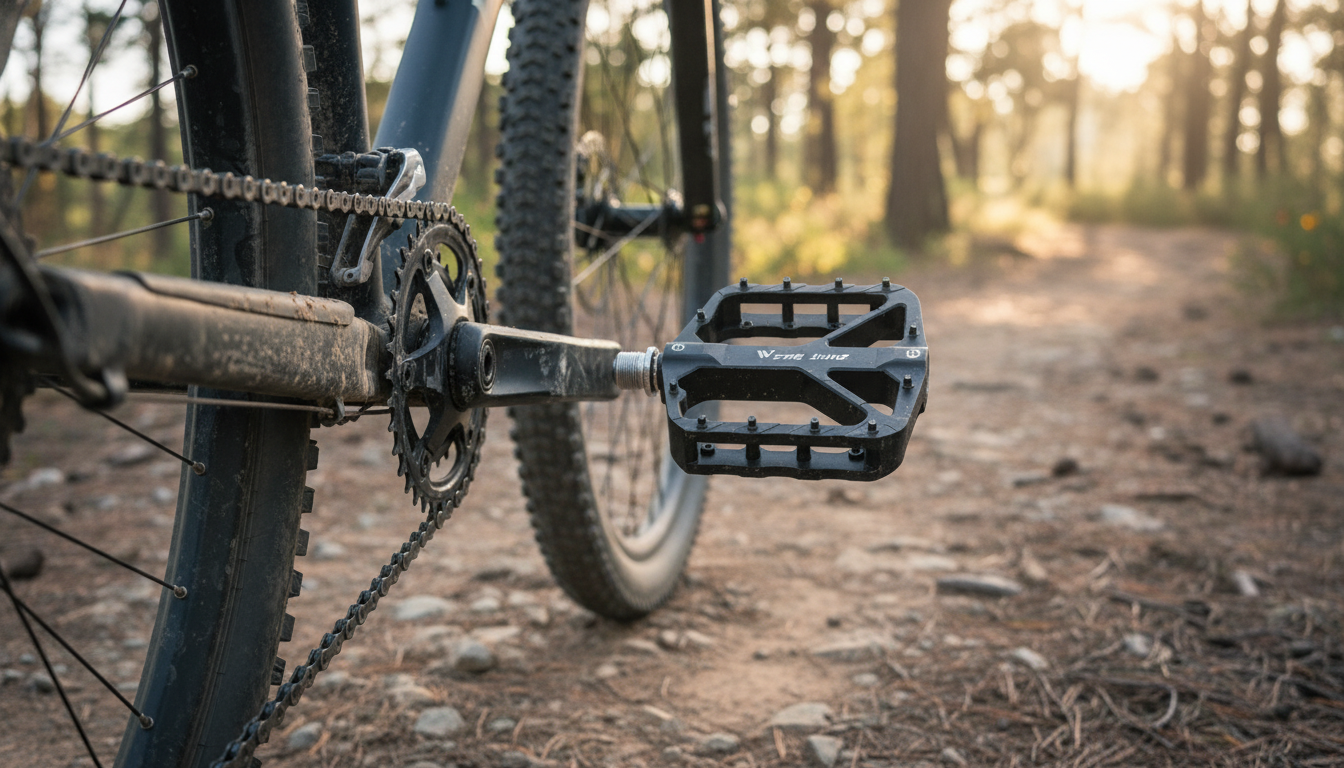
Ultralight Flat Pedals Built for Grip, Speed, and Everyday Reliability
Stable footing and smooth rotation matter on every ride, from quick commutes to rougher gravel and trail. Ultralight aluminum alloy flat pedals like these emphasize secure traction, a wide platform for control, and sealed bearings that help keep performance consistent when conditions get wet, dusty, or gritty. The result is a pedal that feels confident underfoot during hard efforts, while staying practical for daily use. For more guidance, see Best Cycling Reviews and specifications – Page 922 – Revain.
What makes these pedals different on the road and trail
Flat pedals often look similar at a glance, but small design choices change how they feel when sprinting away from a stoplight, picking a line through gravel, or staying planted on a choppy descent. For further reading, see Group test: flat pedals | Cycling UK.
- Ultralight aluminum alloy body: A lighter pedal can reduce rotational weight, helping the bike feel more responsive during accelerations and cadence changes.
- Anti-slip surface with traction pins: Grip is designed to support confident foot placement across a range of shoes, especially when the ride gets bumpy.
- Sealed bearings: Sealing is intended to limit water and grit intrusion, supporting smoother rotation and longer service intervals versus open designs.
- Wide, flat platform: A stable stance improves balance when climbing out of the saddle, cornering on uneven pavement, or descending on loose terrain.
- Everyday-friendly fit: Flat pedals are an easy match for commuting, fitness riding, and casual weekend routes where you want quick foot-on/foot-off control.
Grip and platform feel
Pedal grip is most noticeable during starts, hard efforts, and chatter-filled sections where feet tend to migrate. A wide platform helps spread pressure across the shoe sole, which can feel steadier on longer rides—especially if you stand frequently or ride rough surfaces.
- When traction matters most: Launches from stops, steep pitches, wet pavement, gravel washboard, and small trail impacts.
- Platform comfort: A wider platform can reduce “hot spots” and improve leverage, particularly with supportive, flat-soled shoes.
- Shoe pairing: Pins and textured faces tend to feel best with flatter soles; softer, lugged soles can flex and may feel less “locked in.”
- Foot position tip: For balanced power and stability, aim to place the ball of your foot over the pedal spindle, then fine-tune slightly forward/back for comfort.
If you ride aggressively or in wet conditions, consider shin protection—good grip is a plus, but it also means a slipped pedal can be less forgiving.
Sealed bearings: smoother spin with less fuss
Bearings are the “hidden” performance piece of a pedal. When they’re clean and properly adjusted, the pedal spins smoothly and feels consistent. When they’re contaminated or worn, you may notice drag, noise, or play.
- Barrier against the elements: Sealed bearings are built to help block rain spray, puddles, dust, and trail grit from reaching internal surfaces.
- Smoother rotation: Clean, smooth bearings can feel more comfortable over time and reduce the gritty “notchiness” that develops after repeated wet rides.
- Lower maintenance expectation: Sealed doesn’t mean zero-maintenance, but it usually means fewer mid-season surprises compared with more exposed systems.
- When to check them: Rough spin by hand, side-to-side play, squeaks, or grinding after wet rides are common warning signs.
For best practices on thread direction and service basics, see Park Tool’s guidance on pedal installation and removal and Sheldon Brown’s compatibility notes: Park Tool — Pedal Installation and Removal and Sheldon Brown — Pedals.
Fit and compatibility checklist
Most compatibility issues come down to thread size, left/right threading, and clearance around the crank and chainstay. Flat pedals generally fit city, hybrid, MTB, and many gravel builds, but it’s worth verifying a few details before ordering—especially if you run specialized crank arms or crank-based power meters.
| Check | Why it matters | What to look for |
|---|---|---|
| Thread size | Ensures the pedal fits the crank | Most adult bikes: 9/16″; some kids’ bikes: 1/2″ |
| Left vs. right pedal | Prevents cross-threading | Left pedal is reverse-threaded; right is standard-threaded |
| Clearance | Avoids crank/chainstay rub | Adequate space around the pedal body when rotating |
| Shoe pairing | Maximizes grip and comfort | Flat, supportive soles for best platform feel |
| Riding conditions | Optimizes traction and durability | Wet/muddy rides benefit most from sealed bearings and strong grip |
Installation tips that prevent creaks and damaged threads
Care and longevity
Product details and buying option
If you want a flat pedal that balances low weight, confident traction, and reduced maintenance demands, the Ultralight Aluminum Alloy Anti-Slip Bicycle Pedals with Sealed Bearings are available now from Luxian. They’re designed for stable footing on climbs, corners, and rough pavement, with sealed bearings built to help resist contamination from water and dust.
| Item | Value |
|---|---|
| Product | Ultralight Aluminum Alloy Anti-Slip Bicycle Pedals with Sealed Bearings |
| Price | 47.51 USD |
| Availability | In stock |
More in-stock picks at Luxian
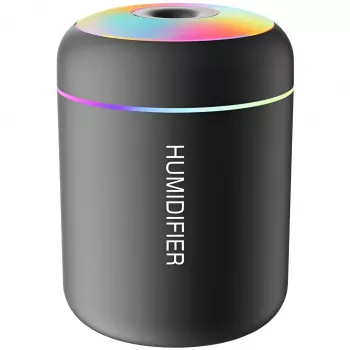
- Mini USB Aroma Humidifier & Essential Oil Diffuser with Soft LED Light
- 18K Rose Gold Moissanite Ring 0.3ct Square Diamond
FAQ
Are sealed bearings really better for wet or dusty riding?
Sealed bearings are designed to limit water and grit from getting into the bearing system, which helps preserve smooth rotation and can reduce how often you need to service the pedals. It’s still smart to inspect periodically, especially after heavy rain or muddy rides.
Will these pedals fit my bike?
Most adult bikes use a standard 9/16″ pedal thread, while some children’s bikes use 1/2″. Check your crank markings or the bike manual before ordering to confirm the correct size.
How do anti-slip pins affect shoe choice and comfort?
Pins typically feel best with flat, supportive soles because they maximize platform contact and traction. The tradeoff is that aggressive pins can increase sole wear over time, so adjust foot placement for comfort and consider shin protection for more technical riding.
Recommended for you

Men’s Sterling Silver Wedding Band Ring Size Guide
May 15, 2026
Pomodoro Schedules for Entrepreneurs: 25/5 vs 50/10
May 15, 2026













Leave a comment