-
Shop
- Advanced Technologies
- AI Skills Mastery 2026 Collection
- Beauty
- Best-Sellers
- Calvin Klein
- Car Accessories
- Car Buying & Ownership
- Dating & Social Confidence
- Dating & Social Skills
- Denim
- 7FOR
- AGOLDE
- Antony Morato
- Armani Exchange
- Boss
- Brunello Cucinelli
- Calvin Klein Jeans
- Costume National
- Desigual
- Diesel
- Dolce & Gabbana
- Dsquared²
- Ermanno Scervino
- Fendi
- Gianni Lupo
- Guess Jeans
- Ichi
- Just Cavalli
- Lee
- Levi's
- Liu Jo
- Morgan De Toi
- Mother Denim
- Only
- Pepe Jeans
- Pinko
- Replay
- Tommy Hilfiger Jeans
- Valentino
- Vero Moda
- Digital Resources
- Education & Learning
- Family & Parenting
- Fashion
- Alexander McQueen
- Bags & Wallets
- Balenciaga
- Belts
- Bottega Veneta
- Brunello Cucinelli
- Burberry
- Chanel
- Chloé
- Dior
- Dolce & Gabbana
- Etro
- Fendi
- Gucci
- Hats & Hair Accessories
- Jacquemus
- Jewelry
- Jil Sander
- Jimmy Choo
- Keychains
- Kiton
- Miu Miu
- Off-White
- Prada
- Rick Owens
- Saint Laurent
- Shoes
- Socks & Tights
- Sunglasses
- The Row
- Tom Ford
- Valentino
- Valentino Garavani
- Versace
- Vivienne Westwood
- Watches
- Fashion & Style
- Fashion Accessories
- Financial Education
- Find Your Path Collection
- Fitness
- Furniture
- Gadgets
- Health & Beauty
- Health & Wellness
- Home & Garden
- Home & Kitchen
- Home Styling & Organization
- Home Supplies
- Kids & Babies
- Kitchen
- Lighting
- Nike
- Online Business
- Online Business for Beginners
- Parenting
- Patio, Lawn & Garden
- Personal Growth
- Pet Care
- Pet Supplies
- Pets
- Smart Life with IA
- Sport & Outdoors
- Super Deals
- Travel
- Wealth
- Wealth Building
- Wellness
- YouTube Shorts Best-Sellers
- Popular
- Best deals
Soft Knit Baby Shoes: Breathable First Walker Boots (0–18m)
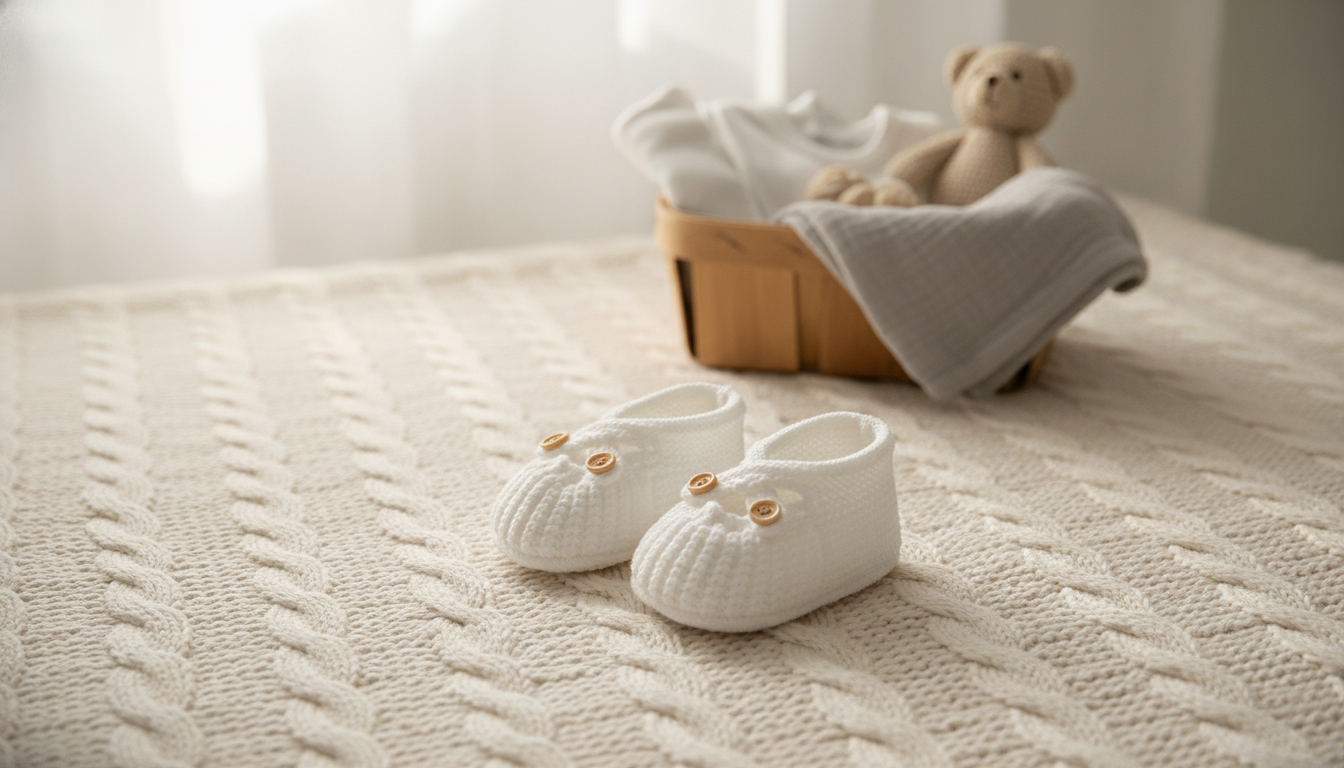
Soft Knit Newborn Baby Shoes: Breathable First Walker Boots for 0–18 Months
Soft knit baby shoes are made to keep tiny feet comfortably warm while still letting them move the way they’re meant to during early kicking, crawling, standing, and first steps. Breathable materials help reduce that “clammy sock” feeling, and a flexible, lightweight build supports balance and healthy sensory feedback. Below is a practical guide to what matters most—fit, safety, comfort, and day-to-day usability—when choosing soft knit first walker boots for babies from newborn to 18 months.
What Makes a Good First Walker Boot (and What to Avoid)
Early walking shoes should feel more like protection than “support.” Babies learn balance by feeling the floor and using their toes.
- Flexible sole: Look for a sole that bends easily at the forefoot. This lets babies grip and stabilize instead of shuffling on a stiff base.
- Wide toe area: A roomy toe box helps toes spread for balance during cruising and early steps, and it helps avoid pressure on toenails.
- Secure closure or cuff: A snug (not tight) ankle helps reduce slipping off while avoiding restriction or marks.
- Breathability: Knit uppers and ventilating weaves help manage heat and moisture for indoor play, daycare, and naps on the go.
- What to avoid: Hard, heavy, or rigid high-top shoes can limit ankle movement and reduce sensory feedback, which many babies rely on while learning.
Soft Knit Benefits for Newborns to 18 Months
Soft knit boots bridge the gap between barefoot comfort and everyday practicality, especially when the floor is chilly or outings involve car seats and strollers.
- Comfort for early months: Knit uppers feel sock-like but add light structure so shoes stay on during energetic kicking.
- Gentle warmth: Warmth without bulky padding helps babies move naturally instead of feeling “weighted down.”
- Everyday versatility: Useful for daycare, indoor play, stroller walks, and quick errands when bare feet aren’t ideal.
- Lightweight for mobility: Less weight at the foot can make crawling, pulling up, and cruising feel easier.
- Easy packing: Knit boots compress well in a diaper bag and are fast to slip on when you’re heading out the door.
Getting the Fit Right: Size, Length, and Room to Grow
Fit is the difference between a shoe that helps and a shoe that frustrates. Babies’ feet grow quickly, and many little ones have one foot slightly larger than the other.
- Measure both feet: Always fit to the larger foot to prevent crowding.
- Leave a small growth allowance: Aim for a bit of extra toe space, but not so much that the foot slides forward and the baby grips with their toes.
- Check heel hold: The heel should feel secure. If the shoe twists easily side-to-side, it may be too big or not snug enough at the ankle.
- Watch for red marks: Light impressions can be normal, but deep marks that linger or increased fussiness can signal tightness.
- Re-check often: During growth spurts, reassess fit every few weeks (or sooner if you notice changes).
Quick Fit Guide by Age (Typical Ranges)
| Age range | What baby is doing | Fit priority | Practical tip |
|---|---|---|---|
| 0–3 months | Kicking, stretching, lots of time lying down | Soft warmth and gentle ankle hold | Choose a snug-but-not-tight cuff so the shoe doesn’t fall off |
| 3–6 months | Rolling, early sitting, more active leg movement | Breathable comfort and non-bulky toe room | Check toe space when baby curls and extends toes |
| 6–9 months | Crawling, pulling up | Grip and flexibility | Look for a sole that bends easily and a stable, wide toe box |
| 9–12 months | Cruising, standing, first steps may begin | Secure fit and lightweight support | Test for heel slip by gently tugging at the back |
| 12–18 months | More confident walking, frequent squats and climbs | Durability + flexible sole | Rotate pairs and inspect the sole for wear patterns |
Breathability and Skin Comfort
Warm, enclosed footwear can trap moisture, which can lead to clammy feet and irritation—especially if shoes are worn indoors for long stretches.
For general child foot and development guidance, see resources from HealthyChildren.org (American Academy of Pediatrics) and milestone information from the CDC.
Safety Checklist for Everyday Wear
Product Snapshot: Soft Knit Newborn Baby Shoes Breathable First Walker Boots (0–18 Months)
Soft Knit Newborn Baby Shoes Breathable First Walker Boots 0–18 Months are currently in stock and priced at $11.97 (USD).
At-a-Glance Details
| Detail | Value |
|---|---|
| Product | Soft Knit Newborn Baby Shoes Breathable First Walker Boots 0–18 Months |
| Price | 11.97 USD |
| Availability | In stock |
| Best for | Newborn comfort, crawling, cruising, early walking |
| Style focus | Soft knit feel, breathable wear, flexible movement |
When to Size Up or Switch Styles
More In-Store Finds
- Helping Teens Build Healthy Connections in a Digital World – eBook Guide
- Your Go-To Ingredients for Dry, Damaged Hair – Ultimate Checklist (Digital Download)
FAQ
Should babies wear shoes when learning to walk?
Barefoot time indoors can help babies feel the floor and practice balance, but shoes are useful for warmth and protection. When shoes are needed, flexible and lightweight options tend to work best for early walkers.
How do soft knit baby shoes stay on without being too tight?
A gently snug ankle cuff or closure helps with heel hold so the shoe doesn’t slip off during crawling. Choose the right length and watch for persistent deep marks; if slipping happens, thin socks can improve grip without over-tightening.
How often should baby shoe size be checked from 0–18 months?
Re-check sizing every few weeks during rapid growth, and right away if you notice redness, toe crowding, or shoes frequently falling off. Regular checks help keep movement comfortable as skills change quickly.
Recommended for you
Modern LED Floor Lamp Tips: Bedroom & Living Room
Jun 23, 2026













Leave a comment