-
Shop
- Advanced Technologies
- AI Skills Mastery 2026 Collection
- Beauty
- Best-Sellers
- Calvin Klein
- Car Accessories
- Car Buying & Ownership
- Dating & Social Confidence
- Dating & Social Skills
- Denim
- 7FOR
- AGOLDE
- Antony Morato
- Armani Exchange
- Boss
- Brunello Cucinelli
- Calvin Klein Jeans
- Costume National
- Desigual
- Diesel
- Dolce & Gabbana
- Dsquared²
- Ermanno Scervino
- Fendi
- Gianni Lupo
- Guess Jeans
- Ichi
- Just Cavalli
- Lee
- Levi's
- Liu Jo
- Morgan De Toi
- Mother Denim
- Only
- Pepe Jeans
- Pinko
- Replay
- Tommy Hilfiger Jeans
- Valentino
- Vero Moda
- Digital Resources
- Education & Learning
- Family & Parenting
- Fashion
- Alexander McQueen
- Bags & Wallets
- Balenciaga
- Belts
- Bottega Veneta
- Brunello Cucinelli
- Burberry
- Chanel
- Chloé
- Dior
- Dolce & Gabbana
- Etro
- Fendi
- Gucci
- Hats & Hair Accessories
- Jacquemus
- Jewelry
- Jil Sander
- Jimmy Choo
- Keychains
- Kiton
- Miu Miu
- Off-White
- Prada
- Rick Owens
- Saint Laurent
- Shoes
- Socks & Tights
- Sunglasses
- The Row
- Tom Ford
- Valentino
- Valentino Garavani
- Versace
- Vivienne Westwood
- Watches
- Fashion & Style
- Fashion Accessories
- Financial Education
- Find Your Path Collection
- Fitness
- Furniture
- Gadgets
- Health & Beauty
- Health & Wellness
- Home & Garden
- Home & Kitchen
- Home Styling & Organization
- Home Supplies
- Kids & Babies
- Kitchen
- Lighting
- Nike
- Online Business
- Online Business for Beginners
- Parenting
- Patio, Lawn & Garden
- Personal Growth
- Pet Care
- Pet Supplies
- Pets
- Smart Life with IA
- Sport & Outdoors
- Super Deals
- Travel
- Wealth
- Wealth Building
- Wellness
- YouTube Shorts Best-Sellers
- Popular
- Best deals
Social Confidence: 7-Day Plan to Feel Comfortable Anywhere

Social Confidence, Step by Step: A Practical Guide to Feeling Comfortable in Any Room
Social confidence grows fastest through small, repeatable actions that lower anxiety and build real-world evidence. Instead of waiting to “feel ready,” the most reliable path is to create a calmer baseline in your body, use a few simple conversation tools, and practice weekly in low-stakes moments so progress feels measurable and sustainable.
What Social Confidence Really Is (and What It Isn’t)
Social confidence isn’t constant charisma. It’s the ability to stay present and keep going even when an interaction is imperfect. You can feel nervous and still be socially confident—because confidence is about tolerance and recovery, not flawless performance.
A helpful way to understand it is the confidence loop: thoughts influence body signals, body signals shape behavior, behavior affects results, and results create new beliefs. When you change even one part of that loop (like posture or self-talk), the whole system starts to shift.
- Myth: Confidence means being loud. Reality: Calm, clear, and friendly often lands better than volume.
- Myth: Confident people never feel nervous. Reality: Many people feel nerves; they just don’t treat it as an emergency.
- Myth: You must always know what to say. Reality: Good questions and simple reflections carry most conversations.
Adopt a “small reps” mindset: frequent low-stakes practice beats rare, high-pressure challenges. A two-minute chat counts. A quick hello counts. Consistency is the multiplier.
Step-by-Step: Build a Calm Baseline Before You Speak
Before focusing on what to say, focus on what your body is broadcasting. A 30–60 second reset can reduce the stress response enough to make conversation feel doable.
- Reset breathing: slow exhale, then another slow exhale. (Longer exhales signal safety.)
- Release tension: drop your shoulders, unclench your jaw, and soften your gaze.
- Ground your stance: feet planted, weight balanced, hands visible and relaxed.
- Reduce anticipatory stress: pre-plan one simple opener and one polite exit line.
- Choose a “good enough” goal: ask one question, offer one detail, or stay for two minutes—then you’re done.
Quick Baseline Resets for Social Situations
| Situation | Body cue | 10-second reset | What to do next |
|---|---|---|---|
| Walking into a room | Shallow breathing | Exhale slowly twice | Make eye contact with one person and smile |
| Before speaking in a group | Tense shoulders | Shoulders down + long exhale | Ask a short question to join in |
| Awkward silence | Racing thoughts | Press feet into floor | Name the moment: “How do you all know each other?” |
| After a misstep | Heat in face | Relax jaw + slow blink | Brief repair: “Let me rephrase” and continue |
If anxiety is intense or persistent, it can help to learn how social anxiety works and when to seek support. Clear, practical overviews are available from the National Institute of Mental Health and the NHS.
Step-by-Step: Conversation Skills That Don’t Feel Forced
When conversation feels “scripted,” it’s usually because the goal is to impress. Shift the goal to connect. Use simple structures that create momentum without performing.
Use the 3-Lane Method
- People: background, interests, what they’ve been into lately
- Place: shared setting (event, neighborhood, workplace, line you’re both standing in)
- Purpose: why they’re here, what they’re looking forward to, what brought them in
Reliable Openers for Most Settings
- Specific compliment: “That’s a great color—where’d you find it?”
- Shared context: “This place is packed—have you been here before?”
- Curiosity: “What’s been the highlight of your week so far?”
Ask Easy-to-Answer Questions (and Don’t Forget to Share)
Use prompts that invite a story: when/what/how. Then share one relevant detail after they answer so it doesn’t feel like an interview. Example: “How do you know the host?” → they answer → “Nice—I met them through work last year, so I’m still meeting everyone.”
End Smoothly
Closing well is a confidence skill. Try: appreciation + future option. “Nice talking with you—maybe we’ll chat again later.” This keeps things warm without forcing a commitment.
Step-by-Step: Stop Overthinking and Recover in Real Time
If stress has been building for a while, learning resilience skills can support your momentum. The American Psychological Association has a practical overview of resilience-building strategies.
A 7-Day Step-by-Step Practice Plan (Small Reps, Real Gains)
| Day | Action | Time needed | Success metric |
|---|---|---|---|
| 1 | Greet one person with eye contact | 1 minute | Did it once despite nerves |
| 2 | Ask one open-ended question | 2 minutes | Got a real answer (any length) |
| 3 | Add one self-share after asking | 3 minutes | Shared without apologizing |
| 4 | Enter a group conversation briefly | 5 minutes | Spoke one sentence |
| 5 | Hold a 3-second pause | 1 minute | Didn’t escape with phone |
| 6 | Invite someone to a simple plan | 5 minutes | Sent the message / asked out loud |
| 7 | Review wins + repeat one challenge | 10 minutes | Identified one next rep |
Common Roadblocks (and What to Do Instead)
A Simple Tool to Keep Momentum
- Social Confidence, Step by Step (digital download) is built for structured practice, with exercises and reflection prompts you can repeat week to week.
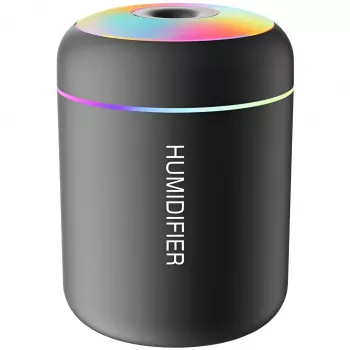
- If calming your environment helps you stay grounded during journaling or a pre-event reset, the Mini USB Aroma Humidifier & Essential Oil Diffuser with Soft LED Light can support a consistent “calm baseline” routine at home or at your desk.
FAQ
How do I boost my social confidence?
Use small daily exposure (short hellos, one question, one self-share), start each interaction with a quick calm baseline reset, and follow a simple weekly ladder of challenges. Track reps and count completion as the win, even if you felt nervous.
What are the 10 steps for self-confidence?
Calm your body, adopt grounded posture, set a micro-goal, do one small exposure, shift self-talk to neutral, practice a simple skill (questions/active listening), learn quick repair phrases, set boundaries, reflect (one win/one tweak), and repeat consistently.
Recommended for you


Pomodoro Schedules for Entrepreneurs: 25/5 vs 50/10
May 15, 2026













Leave a comment