-
Shop
- Advanced Technologies
- AI Skills Mastery 2026 Collection
- Beauty
- Best-Sellers
- Calvin Klein
- Car Accessories
- Car Buying & Ownership
- Dating & Social Confidence
- Dating & Social Skills
- Denim
- 7FOR
- AGOLDE
- Antony Morato
- Armani Exchange
- Boss
- Brunello Cucinelli
- Calvin Klein Jeans
- Costume National
- Desigual
- Diesel
- Dolce & Gabbana
- Dsquared²
- Ermanno Scervino
- Fendi
- Gianni Lupo
- Guess Jeans
- Ichi
- Just Cavalli
- Lee
- Levi's
- Liu Jo
- Morgan De Toi
- Mother Denim
- Only
- Pepe Jeans
- Pinko
- Replay
- Tommy Hilfiger Jeans
- Valentino
- Vero Moda
- Digital Resources
- Education & Learning
- Family & Parenting
- Fashion
- Alexander McQueen
- Bags & Wallets
- Balenciaga
- Belts
- Bottega Veneta
- Brunello Cucinelli
- Burberry
- Chanel
- Chloé
- Dior
- Dolce & Gabbana
- Etro
- Fendi
- Gucci
- Hats & Hair Accessories
- Jacquemus
- Jewelry
- Jil Sander
- Jimmy Choo
- Keychains
- Kiton
- Miu Miu
- Off-White
- Prada
- Rick Owens
- Saint Laurent
- Shoes
- Socks & Tights
- Sunglasses
- The Row
- Tom Ford
- Valentino
- Valentino Garavani
- Versace
- Vivienne Westwood
- Watches
- Fashion & Style
- Fashion Accessories
- Financial Education
- Find Your Path Collection
- Fitness
- Furniture
- Gadgets
- Health & Beauty
- Health & Wellness
- Home & Garden
- Home & Kitchen
- Home Styling & Organization
- Home Supplies
- Kids & Babies
- Kitchen
- Lighting
- Nike
- Online Business
- Online Business for Beginners
- Parenting
- Patio, Lawn & Garden
- Personal Growth
- Pet Care
- Pet Supplies
- Pets
- Smart Life with IA
- Sport & Outdoors
- Super Deals
- Travel
- Wealth
- Wealth Building
- Wellness
- YouTube Shorts Best-Sellers
- Popular
- Best deals
Home Budget, Happy Wallet: Stress-Free Monthly Money Plan
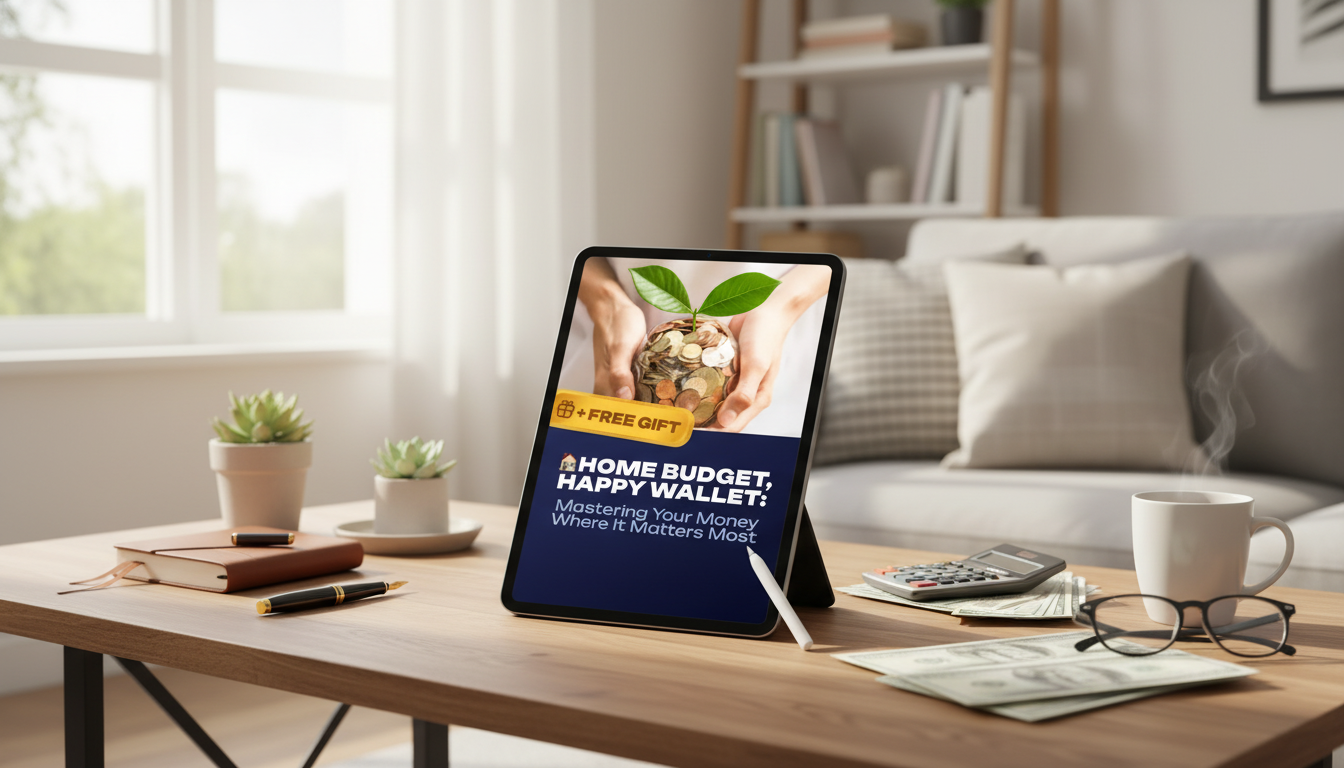
Home Budget, Happy Wallet: A Simple System for Managing Money at Home
A calm, repeatable home budget can reduce stress, stop surprise expenses, and make room for what matters most. Home Budget, Happy Wallet is a digital download eBook designed to help set up a household budget that fits real life—bills, groceries, goals, and the occasional treat—without needing complicated spreadsheets or constant willpower.
What a home budget should do (and why many fail)
A useful home budget isn’t a tightrope walk; it’s a plan that makes everyday choices easier. At its best, your budget should:
- Turn irregular expenses (car repairs, school fees, holidays) into planned monthly amounts.
- Create clear “yes/no” rules for everyday spending without guilt.
- Make progress on goals—debt payoff, emergency fund, sinking funds—while still living.
Many budgets fail for predictable reasons: planning only for monthly bills and forgetting the “non-monthly” costs, tracking every penny without deciding what to do differently, or setting categories that don’t match how the household actually spends (like pretending groceries stay identical during busy seasons).
What you’ll get from the Home Budget, Happy Wallet eBook
Home Budget, Happy Wallet digital download eBook lays out a straightforward system you can repeat every month—especially helpful when life gets loud and decision fatigue is high.
- A structured approach to building a home budget that prioritizes essentials first.
- Guidance for choosing a budgeting method that matches personality and income style (steady, variable, mixed).
- Practical steps for setting category limits, handling cashless spending, and reviewing weekly.
- A framework for aligning spending with household values so the budget feels supportive, not restrictive.
- Digital format benefits: instant access, easy to revisit, and convenient for quick check-ins.
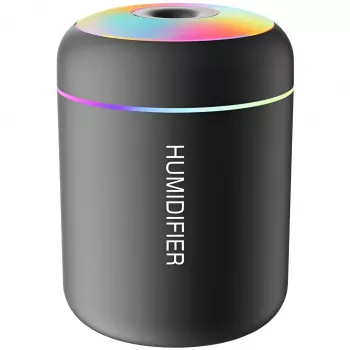
If you want extra comfort cues while you reset your routine, small environment upgrades can help make money check-ins feel less like a chore and more like a reset. A desk-side option like the Mini USB Aroma Humidifier & Essential Oil Diffuser with Soft LED Light can turn a 10-minute review into a calmer habit you’ll actually keep.
Set the foundation: money map in under an hour
Before you choose categories or apps, build a “money map”—a one-page snapshot of what must be covered and when. Aim for progress over perfection.
- List household income sources and pay schedules (weekly/biweekly/monthly/variable).
- Capture essential bills and due dates (housing, utilities, insurance, minimum debt payments).
- Estimate flexible essentials (groceries, fuel/transportation, household supplies).
- Identify “quiet drains” (subscriptions, delivery fees, impulse add-ons) and decide what stays.
- Choose 1–3 financial priorities for the next 30–90 days (example: emergency fund to $500, pay off a credit card, rebuild a buffer).
For additional, trustworthy budgeting basics, the Consumer Financial Protection Bureau (CFPB) and FDIC Money Smart provide clear overviews you can reference alongside your own plan.
A practical category plan that covers real life
Categories should help you decide, not just document. Start with a few buckets you can manage quickly, then add detail only if it improves decisions.
- Start with a few categories, then add detail only if it helps decisions.
- Separate essentials from lifestyle spending to protect stability during tight months.
- Add sinking funds for predictable-but-not-monthly expenses (gifts, medical, back-to-school, home maintenance).
- Keep a small “miscellaneous” category to prevent constant rebudgeting.
Sample home budget categories to copy and adapt
| Category type | Examples | How to set the monthly amount |
|---|---|---|
| Fixed essentials | Rent/mortgage, internet, insurance, minimum debt payments | Use the billed amount; divide annual premiums by 12 |
| Flexible essentials | Groceries, fuel/transportation, household supplies | Use an average of the last 2–3 months; adjust for seasonality |
| Sinking funds | Car maintenance, holidays, kids’ activities, medical copays | Estimate annual cost and divide by 12; start small if needed |
| Goals | Emergency fund, extra debt payments, saving for a big purchase | Set a realistic auto-transfer amount per pay period |
| Lifestyle | Dining out, entertainment, hobbies, subscriptions | Choose a cap that fits priorities; reduce first when income dips |
Budgeting with variable income (without feeling behind every month)
Variable income can make budgeting feel like you’re constantly catching up—unless you plan around your lowest predictable month and use a simple priority order.
- Build a “baseline budget” using conservative income (lowest typical month).
- Prioritize spending in tiers: essentials → minimum obligations → sinking funds → goals → lifestyle.
- Use a buffer category to smooth income swings (even $50–$200 helps).
- On higher-income months, top up sinking funds and next month’s essentials before upgrading lifestyle categories.
This approach reduces the emotional whiplash: you’re not “behind” in a low month—you’re following the plan you built for exactly that scenario.
Weekly money check-ins: the habit that keeps the budget working
Common budget stress points and simple fixes
Getting started with the digital download
If you’re building a “treats with intention” category, it can help to reserve it for purchases that feel truly special. A milestone gift like the 18K Rose Gold Moissanite Ring 0.3ct Square Diamond is the kind of item that fits best when it’s planned (not financed through surprise card swipes).
When this guide is most helpful
FAQ
Is this eBook suitable for beginners who have never budgeted before?
Yes. It’s set up for beginners with a step-by-step build process, starting with a simple category list and a short weekly check-in so you can adjust quickly without getting overwhelmed.
How can a home budget work with irregular income?
Use a conservative baseline income (your lowest typical month), then fund spending in tiers—essentials first, then obligations, sinking funds, goals, and lifestyle. In higher-income months, build a buffer and pre-fund upcoming needs so low months feel normal.
What’s the difference between a budget and tracking expenses?
A budget is a plan you make before spending; tracking is recording what happened after the fact. Used together, tracking shows patterns while the budget tells your money where to go next.
Recommended for you

Best Wide Leg Jeans Brand: Why Pinko Stands Out
May 5, 2026













Leave a comment