-
Shop
- Advanced Technologies
- AI Skills Mastery 2026 Collection
- Beauty
- Best-Sellers
- Calvin Klein
- Car Accessories
- Car Buying & Ownership
- Dating & Social Confidence
- Dating & Social Skills
- Denim
- 7FOR
- AGOLDE
- Antony Morato
- Armani Exchange
- Boss
- Brunello Cucinelli
- Calvin Klein Jeans
- Costume National
- Desigual
- Diesel
- Dolce & Gabbana
- Dsquared²
- Ermanno Scervino
- Fendi
- Gianni Lupo
- Guess Jeans
- Ichi
- Just Cavalli
- Lee
- Levi's
- Liu Jo
- Morgan De Toi
- Mother Denim
- Only
- Pepe Jeans
- Pinko
- Replay
- Tommy Hilfiger Jeans
- Valentino
- Vero Moda
- Digital Resources
- Education & Learning
- Family & Parenting
- Fashion
- Alexander McQueen
- Bags & Wallets
- Balenciaga
- Belts
- Bottega Veneta
- Brunello Cucinelli
- Burberry
- Chanel
- Chloé
- Dior
- Dolce & Gabbana
- Etro
- Fendi
- Gucci
- Hats & Hair Accessories
- Jacquemus
- Jewelry
- Jil Sander
- Jimmy Choo
- Keychains
- Kiton
- Miu Miu
- Off-White
- Prada
- Rick Owens
- Saint Laurent
- Shoes
- Socks & Tights
- Sunglasses
- The Row
- Tom Ford
- Valentino
- Valentino Garavani
- Versace
- Vivienne Westwood
- Watches
- Fashion & Style
- Fashion Accessories
- Financial Education
- Find Your Path Collection
- Fitness
- Furniture
- Gadgets
- Health & Beauty
- Health & Wellness
- Home & Garden
- Home & Kitchen
- Home Styling & Organization
- Home Supplies
- Kids & Babies
- Kitchen
- Lighting
- Nike
- Online Business
- Online Business for Beginners
- Parenting
- Patio, Lawn & Garden
- Personal Growth
- Pet Care
- Pet Supplies
- Pets
- Smart Life with IA
- Sport & Outdoors
- Super Deals
- Travel
- Wealth
- Wealth Building
- Wellness
- YouTube Shorts Best-Sellers
- Popular
- Best deals
Geometric Tufted Bath Mat Guide: Size, Grip, Care
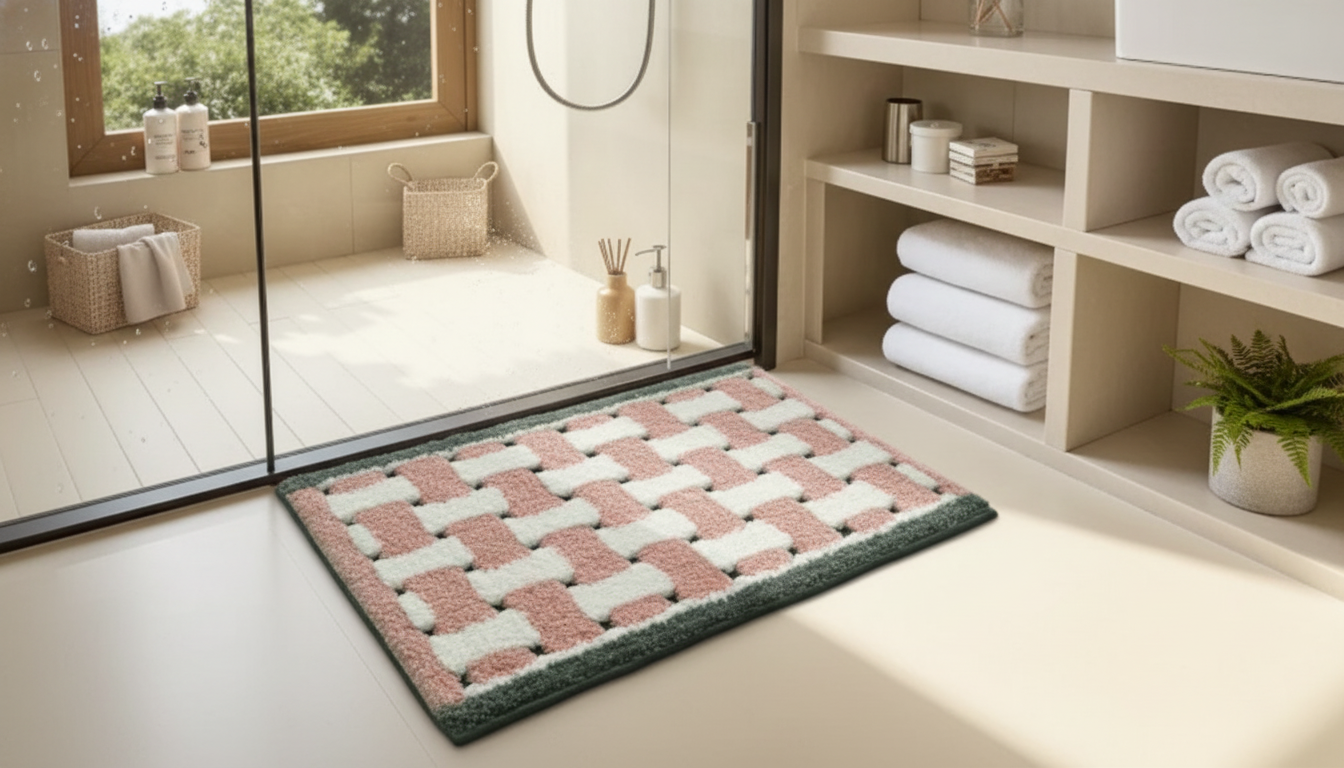
Geometric Tufted Bath Mat: Comfort, Coverage, and a Cleaner Step-Out Zone
A geometric tufted bath mat adds comfort underfoot while helping keep post-shower water contained. With the right size, backing, and care routine, it can improve everyday footing, reduce puddles near the tub, and bring a clean, modern pattern into the bathroom. If your goal is a softer landing than cold tile—without sacrificing a tidy look—a tufted geometric mat is a practical upgrade that feels noticeable from day one.
What Makes a Tufted Geometric Mat Different
Tufted bath mats are built around a pile surface: clusters of fibers that create a soft, cushioned layer. That extra loft helps the mat feel warmer than tile and absorb drips quickly after bathing, which is especially helpful in busy bathrooms where the floor gets wet repeatedly throughout the morning.
The geometric pattern does more than “look modern.” It can visually hide minor lint and everyday footprints better than many solid colors, keeping the space looking pulled together between washes. This is useful if your bathroom sees a lot of traffic, or if the mat sits near makeup, hair tools, and towels that shed fibers.
Not all tufted piles behave the same. A denser tuft can hold more water, while a lower, tighter pile can dry faster. The best fit depends on ventilation, how often the mat is used, and whether it can be hung between showers. Tufted mats typically aim for comfort and absorbency, while memory-foam styles lean into cushioning and microfiber styles emphasize quick drying. A tufted option sits in the sweet spot for many households: soft enough to feel cozy, absorbent enough to reduce small puddles.
Sizing and Placement for Better Coverage
Coverage is where most bath mat disappointments start. Before buying, measure your step-out zone—place the mat where feet actually land after the shower or bath, with enough width to catch water from both feet. If you tend to step out and pivot toward the towel hook or vanity, orient the mat to follow that path instead of centering it purely for symmetry.
For tub/shower combinations, position the mat just outside the curtain or door line to catch drips without interfering with door swing. In front of a double vanity, decide whether one larger mat or two smaller mats better matches traffic flow and drawer clearance. Two mats can reduce bunching near cabinet doors, while a runner can make the room feel more continuous—just make sure edges lay flat.
Common Bathroom Mat Sizes and Where They Fit Best
| Typical Size | Best Placement | Notes |
|---|---|---|
| 16″ x 24″ | Small bathrooms, pedestal sinks, compact showers | Good for tight spaces; may need frequent repositioning to catch drips |
| 20″ x 32″ | Most shower/tub step-out areas | Balanced coverage and drying time; common everyday choice |
| 24″ x 36″ | Larger showers, longer step-out area | Better splash coverage; allow extra airflow for drying |
| Runner (e.g., 20″ x 59″) | Double vanity or long narrow bathrooms | Helps along a wider walkway; ensure it doesn’t become a tripping edge |
Materials, Backing, and Floor Compatibility
If you have natural stone, luxury vinyl, or delicate finishes, confirm the mat backing is compatible to reduce the chance of discoloration or residue transfer over time. Moisture trapped under a mat can also contribute to odors and mildew, so in humid bathrooms, prioritize mats that can be hung to dry. For households with kids or older adults, stable placement, low-profile edges, and consistent drying can improve everyday footing. For general slip-and-fall awareness in the home, the U.S. Consumer Product Safety Commission offers practical safety guidance.
Care Routine: Keep It Fresh, Fluffy, and Fast-Drying
Follow the care label when available. In general, avoid high heat if the mat has a rubbery backing, and skip fabric softener if it reduces absorbency. Most importantly, fully dry the mat before putting it back on the floor. Moisture control is a major factor in keeping bathrooms fresh; the EPA’s mold resources explain how damp conditions contribute to growth, and the CDC’s cleaning guidance is a helpful reference for maintaining healthy spaces.
Style Notes: Making Geometric Patterns Work in Real Bathrooms
Product Spotlight: Geometric Tufted Bath Mat
If you want a quick refresh that’s both functional and modern, the Geometric Tufted Bath Mat is designed to bring a clean geometric look together with a soft tufted feel underfoot. It’s a practical option for the shower or tub step-out zone to help catch drips and reduce small puddles on tile, while still looking tidy between wash days.
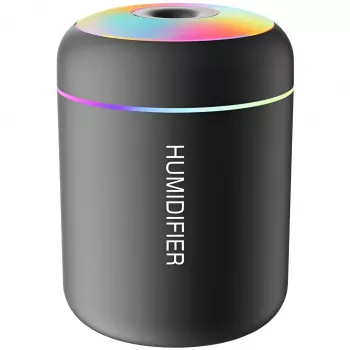
For bathrooms that stay steamy after showers, improving airflow can help textiles dry faster and stay fresher. A compact add-on like the Mini USB Aroma Humidifier & Essential Oil Diffuser with Soft LED Light can support a more comfortable bathroom routine when used thoughtfully (and with regular cleaning), especially in spaces where you’re trying to keep fabrics from lingering damp.
FAQ
How often should a tufted bath mat be washed?
Most tufted bath mats do well with washing about every 1–2 weeks in a main bathroom, and more often in high-traffic spaces or homes with kids and pets. Wash sooner if it smells, looks dingy, or stays damp too long, and always follow the care label when available.
Can a bath mat backing damage tile or vinyl flooring?
Some backings can leave residue or discolor certain floors over time, especially if moisture gets trapped underneath. Keep the underside dry, lift the mat regularly to let the floor breathe, and confirm compatibility if you have delicate surfaces.
Why does my bath mat start to smell musty even after washing?
Musty odor is often caused by incomplete drying, moisture trapped under the mat, detergent buildup, or poor ventilation. Fully dry the mat after washing, hang it between uses when possible, and improve airflow so moisture doesn’t linger.
Recommended for you

Showcase Your Skills: Proof, Projects, and Impact
May 19, 2026
Valentino Garavani Heels: Comfort, Fit & Wear Tips
May 19, 2026











Leave a comment