-
Shop
- Advanced Technologies
- AI Skills Mastery 2026 Collection
- Beauty
- Best-Sellers
- Calvin Klein
- Car Accessories
- Car Buying & Ownership
- Dating & Social Confidence
- Dating & Social Skills
- Denim
- 7FOR
- AGOLDE
- Antony Morato
- Armani Exchange
- Boss
- Brunello Cucinelli
- Calvin Klein Jeans
- Costume National
- Desigual
- Diesel
- Dolce & Gabbana
- Dsquared²
- Ermanno Scervino
- Fendi
- Gianni Lupo
- Guess Jeans
- Ichi
- Just Cavalli
- Lee
- Levi's
- Liu Jo
- Morgan De Toi
- Mother Denim
- Only
- Pepe Jeans
- Pinko
- Replay
- Tommy Hilfiger Jeans
- Valentino
- Vero Moda
- Digital Resources
- Education & Learning
- Family & Parenting
- Fashion
- Alexander McQueen
- Bags & Wallets
- Balenciaga
- Belts
- Bottega Veneta
- Brunello Cucinelli
- Burberry
- Chanel
- Chloé
- Dior
- Dolce & Gabbana
- Etro
- Fendi
- Gucci
- Hats & Hair Accessories
- Jacquemus
- Jewelry
- Jil Sander
- Jimmy Choo
- Keychains
- Kiton
- Miu Miu
- Off-White
- Prada
- Rick Owens
- Saint Laurent
- Shoes
- Socks & Tights
- Sunglasses
- The Row
- Tom Ford
- Valentino
- Valentino Garavani
- Versace
- Vivienne Westwood
- Watches
- Fashion & Style
- Fashion Accessories
- Financial Education
- Find Your Path Collection
- Fitness
- Furniture
- Gadgets
- Health & Beauty
- Health & Wellness
- Home & Garden
- Home & Kitchen
- Home Styling & Organization
- Home Supplies
- Kids & Babies
- Kitchen
- Lighting
- Nike
- Online Business
- Online Business for Beginners
- Parenting
- Patio, Lawn & Garden
- Personal Growth
- Pet Care
- Pet Supplies
- Pets
- Smart Life with IA
- Sport & Outdoors
- Super Deals
- Travel
- Wealth
- Wealth Building
- Wellness
- YouTube Shorts Best-Sellers
- Popular
- Best deals
Arched 36×30 LED Mirror: Dimmable, Anti-Fog, Gold
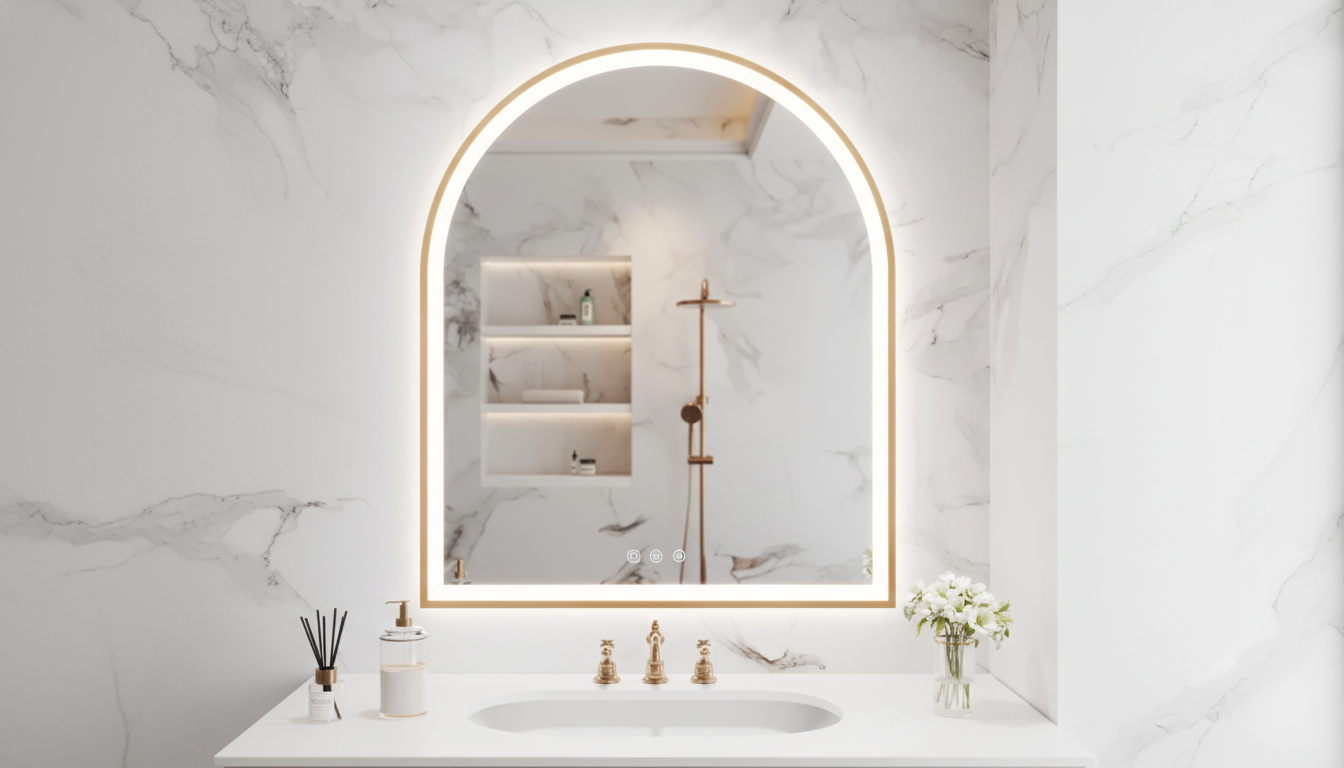
Arched 36”x30” LED Bathroom Mirror with Dimmable Backlight & Anti-Fog Gold Frame
An arched, gold-framed LED mirror can change how a bathroom feels and functions: softer ambient backlight, clearer visibility during grooming, and less waiting for steam to clear. This guide breaks down what to look for in an arched 36”x30” LED bathroom mirror with dimmable backlight, an anti-fog feature, and a frame that complements modern, transitional, and glam spaces.
What makes an arched LED mirror feel different
The arched silhouette does more than look elegant—it alters the visual “rhythm” of a bathroom wall. With tile grids, straight vanities, and rectangular lighting, an arch introduces a softer focal point that helps the room feel less boxy.
- Arched top softens hard lines from tile, cabinetry, and angular countertops.
- Backlighting creates a halo effect that reduces harsh shadows compared with overhead-only lighting.
- A gold frame adds contrast and a more furnished, designer finish instead of a floating sheet-of-glass look.
- 36”x30” often fits “just right” over common single-sink vanities—substantial without dominating a smaller bath.
Size and placement: getting the 36”x30” proportion right
Proportion is what makes a mirror look intentional rather than “installed wherever it fit.” A 36” wide mirror typically pairs best with a vanity that’s around the same width or slightly wider for a tailored border on each side.
- Match mirror width to the vanity: a near-match reads custom, while slightly narrower feels clean and upscale.
- Mounting height matters: aim to center the reflective area around typical eye level, while leaving comfortable clearance above the faucet.
- Give the arch breathing room: avoid crowding the top curve with shelves or low soffits.
- If using sconces, place them slightly forward of the mirror plane to reduce glare and distracting reflections.
Dimmable backlight: comfort lighting for mornings and nights
Dimmable backlighting is where function meets everyday comfort. Bright light can be energizing for shaving or makeup, while a softer glow is easier on the eyes during late-night routines.
- Adjust brightness to the moment: brighter for detail work, dimmer for winding down.
- Use backlight as ambient/fill: it helps reduce shadows, but dedicated vanity lights still help with precision tasks.
- Look for smooth dimming: consistent output without stepping, flicker, or uneven diffusion behind the glass.
- Plan the controls: decide on wall-switch control vs. in-mirror controls (or both), based on how the bathroom is used.
For energy-efficiency context on LED lighting, references from ENERGY STAR and the U.S. Department of Energy provide helpful overviews of LED benefits and performance basics.
Anti-fog performance: what it does and what it doesn’t
An anti-fog mirror (defogger) typically warms a portion of the mirror to discourage condensation. It’s a practical upgrade in en-suites and busy households where the mirror needs to be usable right after a hot shower.
- It’s a heated zone, not magic: it clears a main viewing area; edges can still fog depending on humidity.
- Timing improves results: turning it on before or at the start of a shower clears faster than waiting until the mirror is fully fogged.
- Ventilation still matters: running the fan and managing door position reduces moisture load and helps the feature work better.
Gold frame details: matching finishes without clashing
A gold frame can read warm and modern, or bold and glam, depending on surrounding finishes. The key is choosing a consistent undertone and letting one or two elements lead the design.
Installation and electrical considerations
- Plug-in vs. hardwired: plan outlet placement or junction box location early to avoid visible cords or last-minute wall work.
- Bathroom circuits have stricter rules: use GFCI protection where required and follow local code requirements. (For code context, see the National Electrical Code overview.)
- Secure mounting: hit studs when possible, or use anchors rated for the mirror’s weight.
- Moisture management: avoid mounting where edges are exposed to constant direct spray; keep seals and mounting points protected.
- Test features separately: verify dimming and the defogger function independently after install.
Common problems with LED mirrors and how to avoid them
Care and cleaning for a clear, streak-free finish
Quick decision guide: is this mirror the right fit?
| Feature | Why it matters | Good fit for |
|---|---|---|
| 36”x30” size | Balances many single vanities and keeps proportions clean | Primary bath, guest bath, vanity upgrades |
| Arched top | Softens the room and adds a designer silhouette | Modern, transitional, glam, boutique-hotel look |
| Dimmable backlight | Adapts brightness to time of day and comfort | Shared bathrooms, nighttime routines |
| Anti-fog function | Keeps viewing area clearer after hot showers | En-suites, steamy baths, quick morning use |
| Gold frame | Adds warmth and a finished, furniture-like edge | Brass hardware schemes, warm stone, neutral palettes |
Featured products
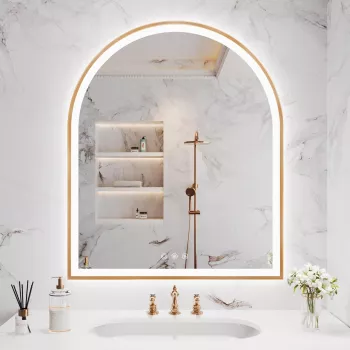
Arched 36”x30” LED Bathroom Mirror with Dimmable Backlight & Anti-Fog Gold Frame
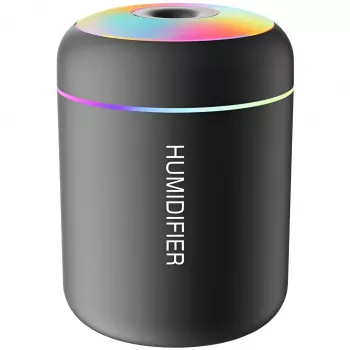
Mini USB Aroma Humidifier & Essential Oil Diffuser with Soft LED Light
FAQ
Are anti-fog bathroom mirrors worth it?
They can save time and frustration by keeping a usable viewing zone clear right after hot showers, especially in smaller or steamy bathrooms. Best results come from turning the defogger on early and using good ventilation, since edges may still fog in high humidity.
What are the common problems with LED mirrors?
The most common issues include flicker from incompatible dimmers, uneven light diffusion, touch controls that act up in humidity, and moisture-related problems like condensation. Choosing compatible controls, keeping the surface clean, and using proper ventilation reduces most headaches; persistent electrical issues should be handled by an electrician.
Recommended for you

Coping After Losing a Job You Loved: A Simple Reset
May 24, 2026










Leave a comment