-
Shop
- Advanced Technologies
- AI Skills Mastery 2026 Collection
- Best-Sellers
- Calvin Klein
- Car Accessories
- Car Buying & Ownership
- Dating & Social Skills
- Denim
- 7FOR
- AGOLDE
- Antony Morato
- Armani Exchange
- Boss
- Brunello Cucinelli
- Calvin Klein Jeans
- Costume National
- Desigual
- Diesel
- Dolce & Gabbana
- Dsquared²
- Ermanno Scervino
- Fendi
- Gianni Lupo
- Guess Jeans
- Ichi
- Just Cavalli
- Lee
- Levi's
- Liu Jo
- Morgan De Toi
- Mother Denim
- Only
- Pepe Jeans
- Pinko
- Replay
- Tommy Hilfiger Jeans
- Valentino
- Vero Moda
- Digital Resources
- Education & Learning
- Family & Parenting
- Fashion
- Alexander McQueen
- Bags & Wallets
- Balenciaga
- Belts
- Bottega Veneta
- Brunello Cucinelli
- Burberry
- Chanel
- Chloé
- Dior
- Dolce & Gabbana
- Etro
- Fendi
- Gucci
- Hats & Hair Accessories
- Jacquemus
- Jewelry
- Jil Sander
- Jimmy Choo
- Keychains
- Kiton
- Miu Miu
- Off-White
- Prada
- Rick Owens
- Saint Laurent
- Shoes
- Socks & Tights
- Sunglasses
- The Row
- Tom Ford
- Valentino
- Valentino Garavani
- Versace
- Vivienne Westwood
- Watches
- Fashion & Style
- Fashion Accessories
- Financial Education
- Find Your Path Collection
- Fitness
- Furniture
- Gadgets
- Health & Beauty
- Health & Wellness
- Home & Garden
- Home & Kitchen
- Home Styling & Organization
- Home Supplies
- Kids & Babies
- Kitchen
- Lighting
- Nike
- Online Business
- Online Business for Beginners
- Parenting
- Patio, Lawn & Garden
- Personal Growth
- Pet Care
- Pet Supplies
- Pets
- Smart Life with IA
- Sport & Outdoors
- Super Deals
- Travel
- Wealth
- Wealth Building
- Wellness
- YouTube Shorts Best-Sellers
- Popular
- Best deals
AI Cycle Tracking Checklist: Smarter Menstrual Patterns
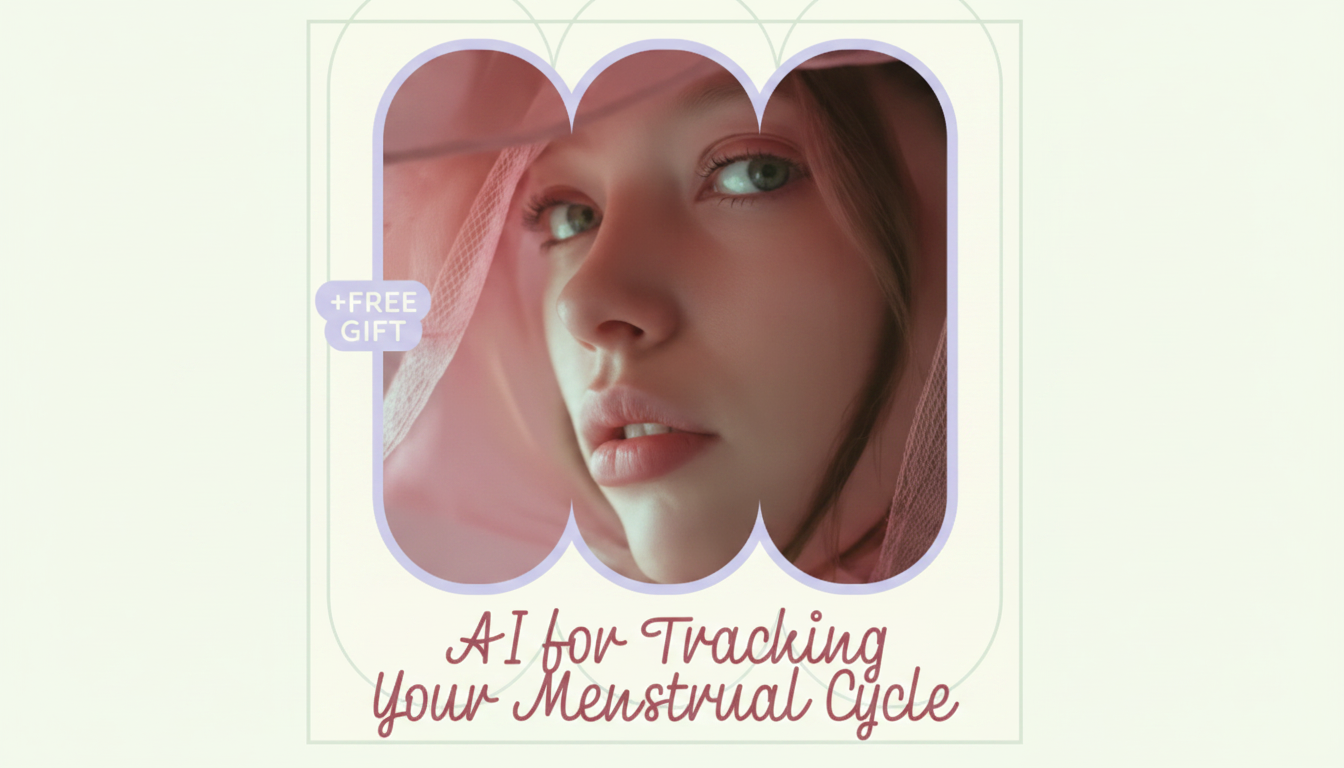
AI for Tracking Your Menstrual Cycle: Checklist for Smarter Pattern Tracking
A cycle tracker becomes far more useful when it captures consistent inputs, highlights patterns, and turns observations into an easy plan. A checklist-style digital planner can help you log the same few signals each day—then use AI-style summaries (trends, clusters, and “what changed?” prompts) to spot shifts in symptoms, mood, energy, sleep, and lifestyle factors. Over time, this makes cycle changes easier to notice, easier to talk about, and easier to bring to a clinician if you need support.
What an AI-assisted cycle checklist helps capture
The goal is simple: collect a small set of repeatable data points that explain how you feel across the month. A good checklist supports both “what happened” and “what might have influenced it.”
- Cycle basics: start date, end date, flow intensity, spotting, and cycle length over time
- Symptoms: cramps, headaches, bloating, breast tenderness, digestive changes, and skin changes
- Mood and cognition: irritability, anxiety, low mood, focus, and motivation shifts
- Energy and recovery: fatigue, training readiness, soreness, and perceived exertion
- Lifestyle signals: sleep quality, stress load, hydration, caffeine/alcohol, and travel
- Medication/supplements and notable events: illness, new routines, or major stressors that can explain irregularities
If you want a clinical “big picture,” organizations like ACOG describe the menstrual cycle as a vital sign—tracking can be a practical way to notice when something meaningfully changes.
Set up the planner in 10 minutes
A setup that’s too complicated won’t last. Build a tiny system you can repeat even on busy days.
- Pick one consistent log time: morning works well for sleep/energy; evening works well for symptoms/mood (or split if you prefer).
- Use simple rating scales (0–10): pain, mood, energy, stress, cravings. Consistency beats precision.
- Choose 2–5 “non-negotiable” fields: enough to create patterns without creating friction.
- Add optional fields only if they match your goals: workouts, libido, digestion, cervical mucus, or ovulation tests.
- Create quick tags for common triggers: late nights, intense training, high stress, travel, new medication, alcohol, or illness.
For a quick start, the AI for Tracking Your Menstrual Cycle Checklist (digital download) is designed to keep daily tracking short while still capturing enough detail to compare cycles side by side.
Daily checklist: the minimum effective log
If you only do one thing, do this. A minimal log makes it easier for AI-style patterning (and for you) to notice what repeats—especially around ovulation and the days leading into bleeding.
- Flow/spotting: none, light, medium, heavy (add clotting notes if that’s relevant for you)
- Pain: location and intensity (cramps, lower back, ovulation pain)
- Mood: baseline mood score plus one dominant emotion (calm, anxious, irritable, low)
- Energy: overall energy and an afternoon-slump score
- Sleep: hours slept and perceived quality
- One note: “most unusual thing today” (to preserve context without writing a journal entry)
Quick log template (copy into the planner)
| Field | What to record | Example |
|---|---|---|
| Flow | None/Light/Medium/Heavy; spotting Y/N | Medium + spotting N |
| Pain | 0–10 + location | 4/10 cramps |
| Mood | 0–10 + label | 6/10; irritable |
| Energy | 0–10 + note | 7/10; strong AM |
| Sleep | Hours + quality 0–10 | 7.5 hrs; 6/10 |
| Note | Any trigger/change | Late dinner; high stress |
Weekly review: turn notes into patterns
A weekly check-in is where “tracking” becomes “understanding.” The point isn’t perfection—it’s spotting repeats and outliers.
- Look for repeating clusters: for example, poor sleep + cravings + low mood 3–5 days before bleeding.
- Compare across cycles: intensity and timing matter more than any single month.
- Flag outliers: unusually heavy bleeding, severe pain, or sudden cycle-length changes.
- Identify protective habits: sleep consistency, hydration, gentle movement, and stress buffers.
- Create a next-cycle plan: pick 1–3 small adjustments timed to the phase that needs support.
If you also track training or nutrition goals, pair your cycle notes with a broader lifestyle resource like the Losing Body Fat Percentage eBook to keep habits consistent without ignoring normal energy fluctuations across the month.
Using AI responsibly with cycle data
AI can be great at summarizing logs and surfacing patterns—but it shouldn’t be treated as a diagnosis engine.
For additional guidance on what’s considered typical vs. worth investigating, references like the Mayo Clinic overview of what’s normal can help you frame questions for care.
When to seek medical advice
If something feels off, your logs can help you communicate timing and severity clearly. The Office on Women’s Health also offers a helpful baseline on menstrual health topics and when to seek care.
Digital download: checklist and smart wellness planner
Find the digital planner here: AI for Tracking Your Menstrual Cycle Checklist | Smart Wellness Planner. For a separate self-care upgrade, the Your Go-To Ingredients for Dry, Damaged Hair checklist is a quick reference that pairs well with any routine reset.
FAQ
How long does it take to notice reliable cycle patterns?
Most people see clearer trends after 2–3 cycles of consistent logging. Stress, illness, travel, and major routine changes can distort a single month, so repeated patterns matter more than one-off spikes.
What should be tracked if daily logging feels overwhelming?
Keep a minimum set: bleeding/spotting, pain score, mood score, energy score, and sleep hours/quality. Add notes only when something changes (travel, medication, unusual stress, or a new symptom).
Can an AI tracker diagnose PMS, PMDD, PCOS, or endometriosis?
No—an AI tracker can’t diagnose conditions. It can organize symptom timing and severity to support a more productive clinician conversation, especially if you’re tracking red flags like severe pain, heavy bleeding, or major cycle irregularity.















Leave a comment