-
Shop
- Advanced Technologies
- AI Skills Mastery 2026 Collection
- Beauty
- Best-Sellers
- Calvin Klein
- Car Accessories
- Car Buying & Ownership
- Dating & Social Confidence
- Dating & Social Skills
- Denim
- 7FOR
- AGOLDE
- Antony Morato
- Armani Exchange
- Boss
- Brunello Cucinelli
- Calvin Klein Jeans
- Costume National
- Desigual
- Diesel
- Dolce & Gabbana
- Dsquared²
- Ermanno Scervino
- Fendi
- Gianni Lupo
- Guess Jeans
- Ichi
- Just Cavalli
- Lee
- Levi's
- Liu Jo
- Morgan De Toi
- Mother Denim
- Only
- Pepe Jeans
- Pinko
- Replay
- Tommy Hilfiger Jeans
- Valentino
- Vero Moda
- Digital Resources
- Education & Learning
- Family & Parenting
- Fashion
- Alexander McQueen
- Bags & Wallets
- Balenciaga
- Belts
- Bottega Veneta
- Brunello Cucinelli
- Burberry
- Chanel
- Chloé
- Dior
- Dolce & Gabbana
- Etro
- Fendi
- Gucci
- Hats & Hair Accessories
- Jacquemus
- Jewelry
- Jil Sander
- Jimmy Choo
- Keychains
- Kiton
- Miu Miu
- Off-White
- Prada
- Rick Owens
- Saint Laurent
- Shoes
- Socks & Tights
- Sunglasses
- The Row
- Tom Ford
- Valentino
- Valentino Garavani
- Versace
- Vivienne Westwood
- Watches
- Fashion & Style
- Fashion Accessories
- Financial Education
- Find Your Path Collection
- Fitness
- Furniture
- Gadgets
- Health & Beauty
- Health & Wellness
- Home & Garden
- Home & Kitchen
- Home Styling & Organization
- Home Supplies
- Kids & Babies
- Kitchen
- Lighting
- Nike
- Online Business
- Online Business for Beginners
- Parenting
- Patio, Lawn & Garden
- Personal Growth
- Pet Care
- Pet Supplies
- Pets
- Smart Life with IA
- Sport & Outdoors
- Super Deals
- Travel
- Wealth
- Wealth Building
- Wellness
- YouTube Shorts Best-Sellers
- Popular
- Best deals
2-Comb Wig Styling Set: Gentle Detangle + Sharp Parts
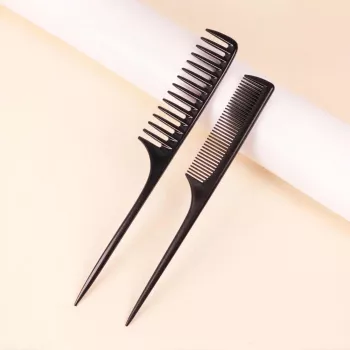
Small Comb Upgrade, Big Difference for Real Hair Wigs
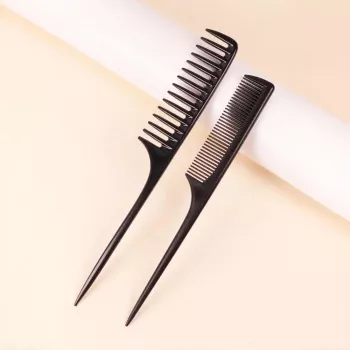
A small tool upgrade can make wig styling easier, gentler, and more precise. A two-comb set pairs a wide-tooth comb for low-tension detangling with a fine, pointed tail comb for clean partings, sectioning, and smoothing—useful for everyday wear, installs, and touch-ups on real hair wigs. When the right comb meets the right moment, you spend less time fighting tangles and more time keeping the hairline and part looking polished.
What’s Included and What Each Comb Does
- Wide-tooth comb: Designed to separate strands with less pulling, helping reduce snagging and shedding during detangling. It’s the “first step” tool that makes everything else easier.
- Fine pointed tail comb: Combines a finer tooth area for smoothing with a pointed tail for accurate parting, sectioning, and placing hairs along the hairline.
- Two-comb workflow: Start with the wide-tooth comb to remove tangles, then switch to the tail comb for finishing details like parts, edges, and flyaways.
- Useful for multiple textures: Straight, wavy, and curly real hair wigs benefit from gentler detangling plus precise sectioning—especially where density is high.
When a Wide-Tooth Comb Helps Most
Wide teeth aren’t only for curly hair; they’re also helpful any time you want to reduce friction and avoid forcing knots tighter.
- After washing or conditioning: Detangle only when the hair is damp (not dripping) to reduce friction and breakage. Adding slip with conditioner or leave-in can make combing smoother.
- Curly and wavy wig patterns: Helps keep curl clumps intact instead of breaking them apart, which can reduce frizz and preserve the pattern.
- Long lengths and dense caps: Works through larger sections efficiently, especially when you start at the ends and move toward the roots.
- Sensitive areas: Reduces stress at lace, knots, and wefts compared with forcing a fine-tooth comb through tangles. Gentle handling matters—traction and breakage risks increase when hair is repeatedly pulled tight (see general guidance from the American Academy of Dermatology Association and an overview of traction considerations from the NHS).
Why a Pointed Tail Comb Matters for Real Hair Wigs
If the wide-tooth comb is for comfort, the pointed tail comb is for control. It’s the tool that turns “neat enough” into “clean and intentional.”
- Clean parting lines: Create center parts, side parts, C-parts, and zig-zag parts with consistent spacing, which helps the wig look more scalp-like.
- Sectioning for heat styling: Isolate small panels for flat ironing or curling without disturbing nearby hair, so you don’t keep reworking the same areas.
- Smoothing and placement: Refine the top layer and guide hair into clips, rollers, or under a band for setting.
- Install and maintenance: Helps with placing baby hairs, defining the part, and aligning hair direction after wearing—especially around the hairline where details show most.
Quick Comparison: Which Comb for Which Task
Match the tool to the moment: wide teeth for detangling and distributing product; tail comb for precision and finish. When you avoid forcing fine teeth through knots, you reduce unnecessary pulling—particularly important near lace and delicate stitching.
| Task | Best Pick | How to Use | Tip for Reducing Tension |
|---|---|---|---|
| Detangling after wear | Wide-tooth comb | Start at the ends and move upward in sections | Hold hair above the tangle to avoid stressing knots/wefts |
| Detangling after wash | Wide-tooth comb | Work through damp hair with conditioner or leave-in | Use slow strokes; stop if snagging and finger-detangle first |
| Creating a crisp part | Fine pointed tail comb | Use the tail to draw the line, then comb hair to each side | Part in small passes rather than one hard drag |
| Smoothing the top for a sleek look | Fine pointed tail comb | Light strokes on the surface layer | Use minimal product to avoid buildup near the cap |
| Sectioning for heat styling | Fine pointed tail comb | Create neat panels and clip away | Keep sections consistent to avoid repeated passes with heat |
Step-by-Step: Detangle and Style Without Damaging the Wig
Care Tips for Keeping Combs and Wigs Clean
Product Options
- 2-Piece Wide & Fine Pointed Tail Comb Set for Real Hair Wigs — a simple pairing for detangling plus precise parting and sectioning; ideal for routine wig maintenance, clean parts, quick touch-ups, and styling prep.
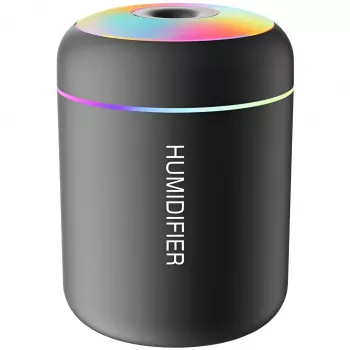
- Mini USB Aroma Humidifier & Essential Oil Diffuser with Soft LED Light — a handy vanity companion for creating a comfortable styling space, especially during dry seasons when hair can feel less pliable.
FAQ
Is a Wide Tooth Comb better for fine hair?
Often yes for detangling because wider spacing can reduce pulling and breakage. Use gentle, end-to-root strokes and add slip with conditioner or leave-in, especially when hair is damp.
What comb is best for wigs?
A wide-tooth comb is typically best for detangling, while a fine pointed tail comb is best for parting, sectioning, and smoothing. Using both covers daily care and precision styling without overworking delicate areas.













Leave a comment