-
Shop
- Advanced Technologies
- AI Skills Mastery 2026 Collection
- Beauty
- Best-Sellers
- Calvin Klein
- Car Accessories
- Car Buying & Ownership
- Dating & Social Confidence
- Dating & Social Skills
- Denim
- 7FOR
- AGOLDE
- Antony Morato
- Armani Exchange
- Boss
- Brunello Cucinelli
- Calvin Klein Jeans
- Costume National
- Desigual
- Diesel
- Dolce & Gabbana
- Dsquared²
- Ermanno Scervino
- Fendi
- Gianni Lupo
- Guess Jeans
- Ichi
- Just Cavalli
- Lee
- Levi's
- Liu Jo
- Morgan De Toi
- Mother Denim
- Only
- Pepe Jeans
- Pinko
- Replay
- Tommy Hilfiger Jeans
- Valentino
- Vero Moda
- Digital Resources
- Education & Learning
- Family & Parenting
- Fashion
- Alexander McQueen
- Bags & Wallets
- Balenciaga
- Belts
- Bottega Veneta
- Brunello Cucinelli
- Burberry
- Chanel
- Chloé
- Dior
- Dolce & Gabbana
- Etro
- Fendi
- Gucci
- Hats & Hair Accessories
- Jacquemus
- Jewelry
- Jil Sander
- Jimmy Choo
- Keychains
- Kiton
- Miu Miu
- Off-White
- Prada
- Rick Owens
- Saint Laurent
- Shoes
- Socks & Tights
- Sunglasses
- The Row
- Tom Ford
- Valentino
- Valentino Garavani
- Versace
- Vivienne Westwood
- Watches
- Fashion & Style
- Fashion Accessories
- Financial Education
- Find Your Path Collection
- Fitness
- Furniture
- Gadgets
- Health & Beauty
- Health & Wellness
- Home & Garden
- Home & Kitchen
- Home Styling & Organization
- Home Supplies
- Kids & Babies
- Kitchen
- Lighting
- Nike
- Online Business
- Online Business for Beginners
- Parenting
- Patio, Lawn & Garden
- Personal Growth
- Pet Care
- Pet Supplies
- Pets
- Smart Life with IA
- Sport & Outdoors
- Super Deals
- Travel
- Wealth
- Wealth Building
- Wellness
- YouTube Shorts Best-Sellers
- Popular
- Best deals
The 3 F’s of Interior Design: Form, Function & Flow
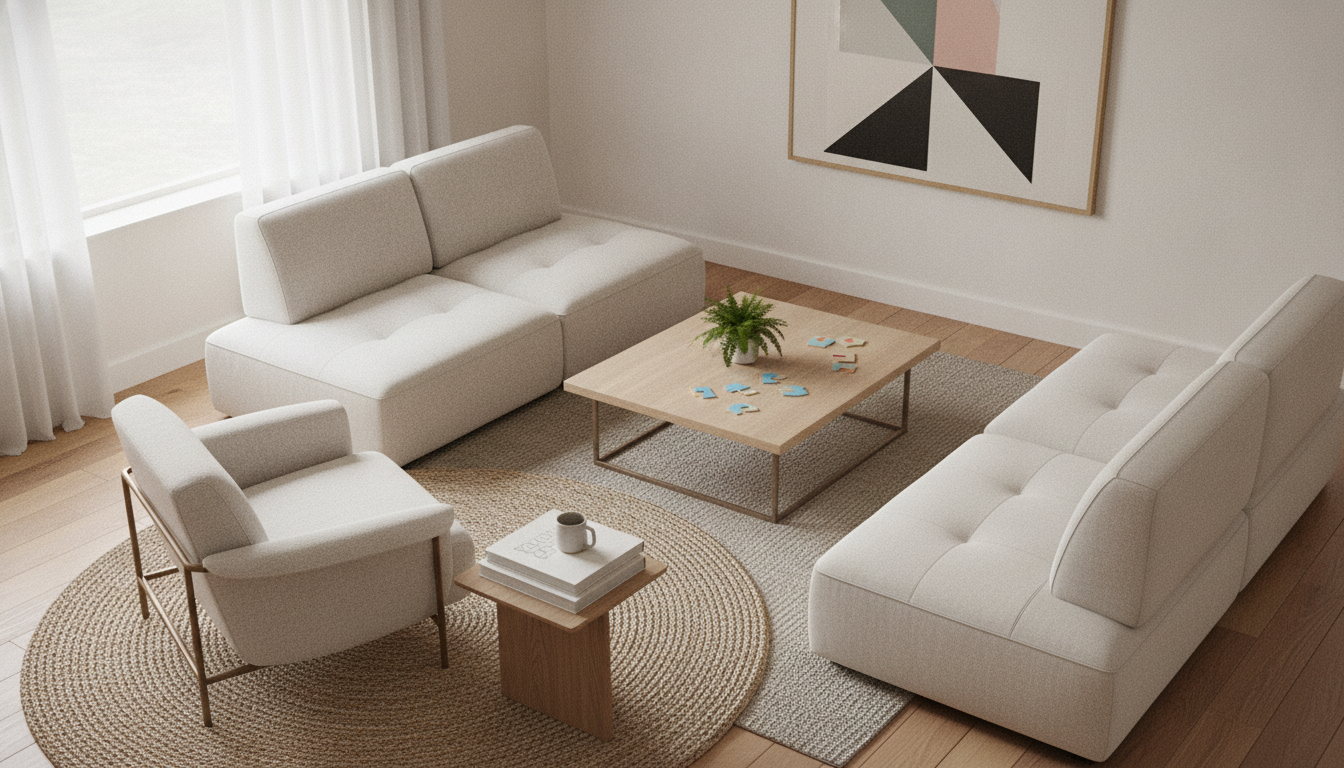
What are the three F’s of interior design?
The three F’s of interior design are Form, Function, and Flow. Together, they’re a practical way to evaluate a room so it looks good, works well for daily life, and feels easy to move through.
Answer
1) Form
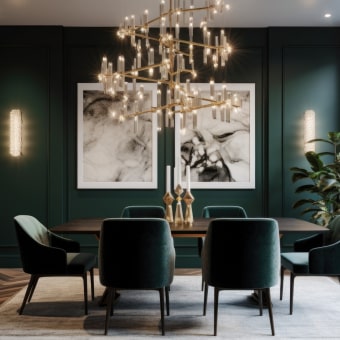
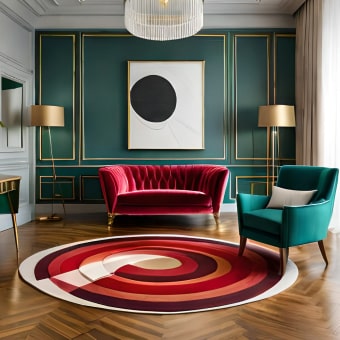
Form is the visual side of the room: shape, style, color, texture, and overall proportion. It’s how pieces relate to each other aesthetically—like pairing a low, modern sofa with similarly clean-lined tables, or balancing a bold accent chair with calmer surrounding finishes. Form also includes scale: furniture that’s too bulky can overwhelm a space, while pieces that are too small can make a room feel sparse and unfinished.
2) Function
Function is what the room needs to do. A living room might need seating for guests, a spot for reading, and surfaces for drinks; a bedroom might need clear pathways to closets and nightstands that actually hold essentials. Function is also about choosing furniture that supports real habits—like selecting chairs that are comfortable for the amount of time people actually sit, or using storage pieces where clutter tends to collect.
3) Flow
Flow is how people move through the space. Good flow reduces bottlenecks, prevents awkward detours around furniture, and makes the room feel calmer. It’s shaped by placement, spacing, and “routes” between doors, seating, and focal points. If you’re adjusting chairs or rethinking a layout to improve circulation, the chair placement guidance here is a helpful companion: https://luxian.shop/guide-chair-placement-tips-better-flow-function/.
For The 3 F’s of Interior Design: Form, Function & Flow, the best answer depends on fit, material, care instructions, and how the product will be used day to day.
Checking those details first helps avoid a poor match and keeps the choice practical after delivery.
FAQ
How do you improve traffic flow in a living room?
Start by identifying the main walking paths between doors and seating, then keep those routes open with consistent clearance. Pull furniture slightly off natural pathways and avoid placing sharp corners where people frequently pass.
Recommended for you

60/30/10 Color Rule for Interiors: Easy Room Balance
Jul 17, 2026
Pay Off a Galaxy-Wide Fine in Elite Dangerous Fast
Jul 17, 2026








Leave a comment