-
Shop
- Advanced Technologies
- AI Skills Mastery 2026 Collection
- Beauty
- Best-Sellers
- Calvin Klein
- Car Accessories
- Car Buying & Ownership
- Dating & Social Confidence
- Dating & Social Skills
- Denim
- 7FOR
- AGOLDE
- Antony Morato
- Armani Exchange
- Boss
- Brunello Cucinelli
- Calvin Klein Jeans
- Costume National
- Desigual
- Diesel
- Dolce & Gabbana
- Dsquared²
- Ermanno Scervino
- Fendi
- Gianni Lupo
- Guess Jeans
- Ichi
- Just Cavalli
- Lee
- Levi's
- Liu Jo
- Morgan De Toi
- Mother Denim
- Only
- Pepe Jeans
- Pinko
- Replay
- Tommy Hilfiger Jeans
- Valentino
- Vero Moda
- Digital Resources
- Education & Learning
- Family & Parenting
- Fashion
- Alexander McQueen
- Bags & Wallets
- Balenciaga
- Belts
- Bottega Veneta
- Brunello Cucinelli
- Burberry
- Chanel
- Chloé
- Dior
- Dolce & Gabbana
- Etro
- Fendi
- Gucci
- Hats & Hair Accessories
- Jacquemus
- Jewelry
- Jil Sander
- Jimmy Choo
- Keychains
- Kiton
- Miu Miu
- Off-White
- Prada
- Rick Owens
- Saint Laurent
- Shoes
- Socks & Tights
- Sunglasses
- The Row
- Tom Ford
- Valentino
- Valentino Garavani
- Versace
- Vivienne Westwood
- Watches
- Fashion & Style
- Fashion Accessories
- Financial Education
- Find Your Path Collection
- Fitness
- Furniture
- Gadgets
- Health & Beauty
- Health & Wellness
- Home & Garden
- Home & Kitchen
- Home Styling & Organization
- Home Supplies
- Kids & Babies
- Kitchen
- Lighting
- Nike
- Online Business
- Online Business for Beginners
- Parenting
- Patio, Lawn & Garden
- Personal Growth
- Pet Care
- Pet Supplies
- Pets
- Smart Life with IA
- Sport & Outdoors
- Super Deals
- Travel
- Wealth
- Wealth Building
- Wellness
- YouTube Shorts Best-Sellers
- Popular
- Best deals
60/30/10 Color Rule for Interiors: Easy Room Balance
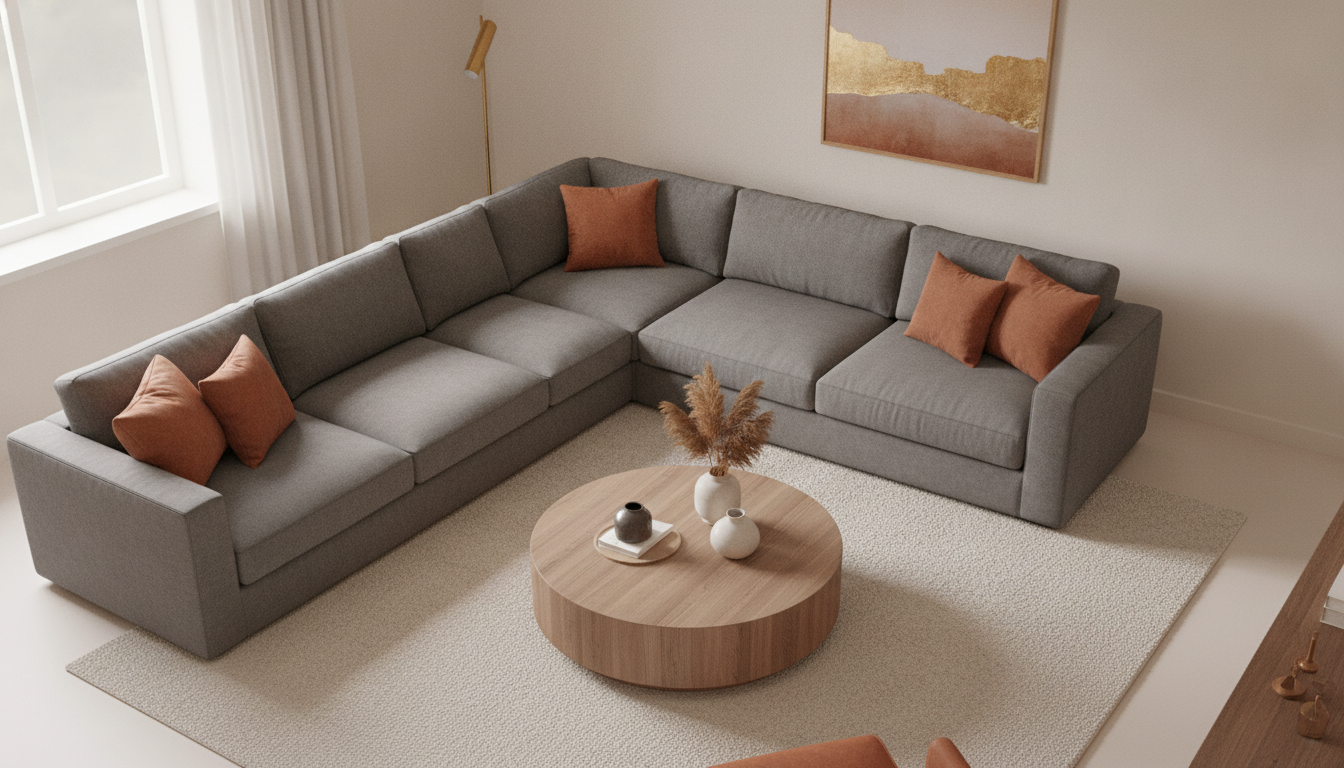
What is the 60 30 10 rule for interiors?
Answer
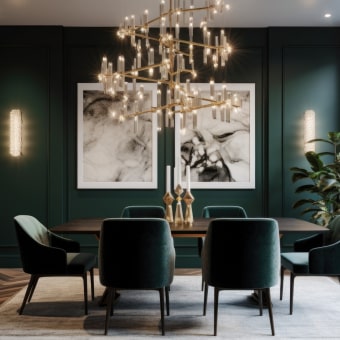
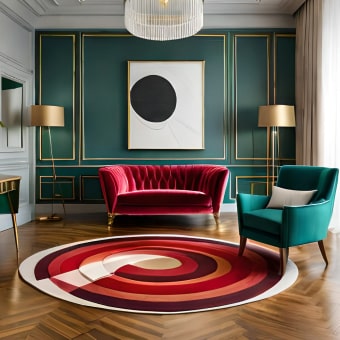
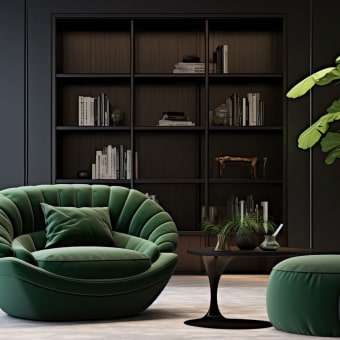
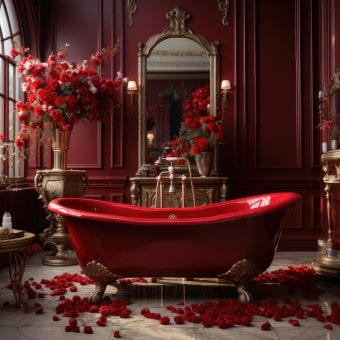
The 60/30/10 rule is a simple way to balance color in a room: 60% is the dominant color, 30% is the secondary color, and 10% is an accent color. It creates a cohesive look because most of the space feels unified, while the smaller accent portion adds energy and contrast without overwhelming the room.
In practice, the 60% usually comes from large visual areas like wall color, a large rug, or a big sofa. The 30% shows up in supporting pieces such as curtains, accent chairs, bedding, or a smaller rug. The 10% is reserved for standout touches—pillows, art, decorative objects, lampshades, or a bold throw—that make the room feel finished.
This rule also supports better flow and function because color helps define zones and guide the eye. For example, if a living room feels choppy, repeating the dominant color across major surfaces can calm things down, while the secondary color can highlight key furniture groupings. Accent color works best when it appears in a few intentional spots rather than scattered randomly.
To make the rule feel natural, treat it as a flexible ratio, not a strict measurement. Patterned items can “count” as multiple colors, and neutrals can serve as the 60% while still allowing personality through the 30% and 10%. For more ways to create an easy-to-navigate layout—especially when placing seating—see this chair placement guide for better flow and function.
For 60/30/10 Color Rule for Interiors: Easy Room Balance, the best answer depends on fit, material, care instructions, and how the product will be used day to day.
Checking those details first helps avoid a poor match and keeps the choice practical after delivery.
FAQ
How do I choose an accent color that won’t clash?
Pick an accent that’s already hinted at in the room, like a color found in artwork or a patterned rug, then repeat it in 2–3 small items. If the room is mostly neutral, a saturated accent (rust, navy, emerald) adds contrast without fighting other tones.
Recommended for you

6 Living Room Layout Mistakes That Cause Clutter
Jul 17, 2026
The 3 F’s of Interior Design: Form, Function & Flow
Jul 17, 2026








Leave a comment