-
Shop
- Advanced Technologies
- AI Skills Mastery 2026 Collection
- Best-Sellers
- Calvin Klein
- Car Accessories
- Car Buying & Ownership
- Dating & Social Skills
- Denim
- 7FOR
- AGOLDE
- Antony Morato
- Armani Exchange
- Boss
- Brunello Cucinelli
- Calvin Klein Jeans
- Costume National
- Desigual
- Diesel
- Dolce & Gabbana
- Dsquared²
- Ermanno Scervino
- Fendi
- Gianni Lupo
- Guess Jeans
- Ichi
- Just Cavalli
- Lee
- Levi's
- Liu Jo
- Morgan De Toi
- Mother Denim
- Only
- Pepe Jeans
- Pinko
- Replay
- Tommy Hilfiger Jeans
- Valentino
- Vero Moda
- Digital Resources
- Education & Learning
- Family & Parenting
- Fashion
- Alexander McQueen
- Bags & Wallets
- Balenciaga
- Belts
- Bottega Veneta
- Brunello Cucinelli
- Burberry
- Chanel
- Chloé
- Dior
- Dolce & Gabbana
- Etro
- Fendi
- Gucci
- Hats & Hair Accessories
- Jacquemus
- Jewelry
- Jil Sander
- Jimmy Choo
- Keychains
- Kiton
- Miu Miu
- Off-White
- Prada
- Rick Owens
- Saint Laurent
- Shoes
- Socks & Tights
- Sunglasses
- The Row
- Tom Ford
- Valentino
- Valentino Garavani
- Versace
- Vivienne Westwood
- Watches
- Fashion & Style
- Fashion Accessories
- Financial Education
- Find Your Path Collection
- Fitness
- Furniture
- Gadgets
- Health & Beauty
- Health & Wellness
- Home & Garden
- Home & Kitchen
- Home Styling & Organization
- Home Supplies
- Kids & Babies
- Kitchen
- Lighting
- Nike
- Online Business
- Online Business for Beginners
- Parenting
- Patio, Lawn & Garden
- Personal Growth
- Pet Care
- Pet Supplies
- Pets
- Smart Life with IA
- Sport & Outdoors
- Super Deals
- Travel
- Wealth
- Wealth Building
- Wellness
- YouTube Shorts Best-Sellers
- Popular
- Best deals
Early Signs of Teen Depression: A Parent’s Next Steps
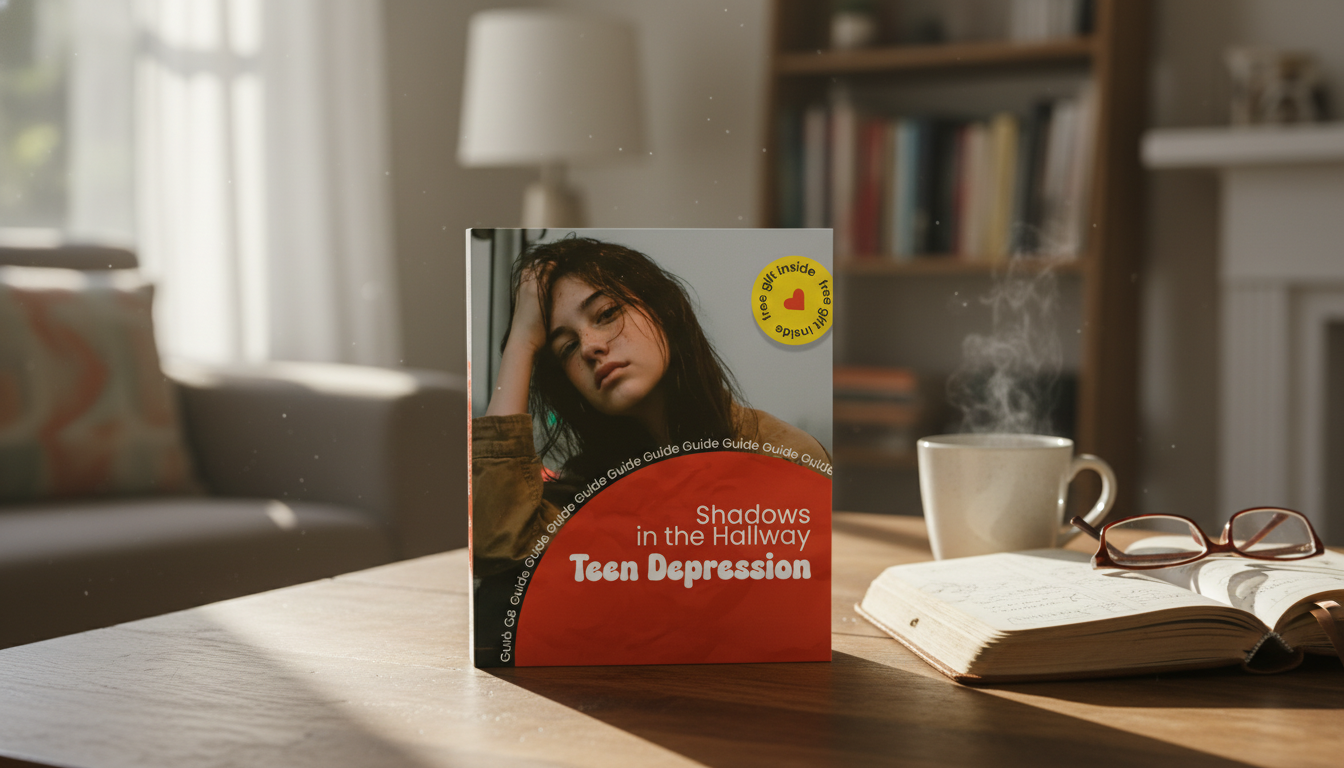
Shadows in the Hallway: Spotting Teen Depression Before It Speaks — A Parent’s Guide to Early Signs and Next Steps
Teen depression rarely announces itself. More often, it shows up as small shifts that are easy to chalk up to “just being a teenager”: sleep changes, irritability, withdrawal, slipping grades, or a teen who simply isn’t themselves. What matters most isn’t a single bad day—it’s a pattern that lingers, spreads into multiple areas of life, and starts to shrink your teen’s world. The goal is connection, clarity, and safety: noticing what’s changing, opening a door to talk, and knowing when to bring in professional support.
What Depression Can Look Like in Teens (Not Just Sadness)
Depression in teens can look less like crying and more like friction, shutdown, or numbness. Watch for changes that last weeks rather than days:
- Mood changes: persistent irritability, anger, numbness, or tearfulness.
- Loss of interest: dropping hobbies, sports, friends, or music that used to matter.
- Energy and motivation shifts: “can’t get going,” frequent exhaustion, or seeming slowed down.
- Thinking changes: harsh self-talk, guilt, hopelessness, or “nothing matters” statements.
- Body changes: headaches, stomachaches, appetite changes, weight changes, or unexplained aches.
- Functioning changes: school avoidance, slipping grades, missing assignments, conflicts at home.
Common teen behaviors: typical stress vs possible depression
| Area | Typical stress/normal ups and downs | Possible depression (patterned and persistent) |
|---|---|---|
| Mood | Occasional irritability, short-lived sadness after a setback | Irritable or flat most days; frequent tearfulness; ongoing anger |
| Sleep | A few late nights, weekend catch-up sleep | Insomnia or sleeping much more; hard to wake; daytime fatigue |
| Friends | Shifts in friend groups, needs more privacy | Withdrawal from nearly all social contact; isolation for weeks |
| School | Temporary dip during a tough unit or busy season | Sustained drop, missed days, avoidance, “can’t do it” beliefs |
| Interests | Bored with one activity, exploring new ones | Stops activities entirely; little pleasure in anything |
| Self-talk | Worries about tests or peer approval | Worthlessness, excessive guilt, hopelessness, “everyone would be better without me” |
Early “Quiet” Warning Signs Parents Often Miss
Some signs don’t look dramatic—they look like your teen slowly disappearing from their own life. Pay attention to:
- Subtle withdrawal: more time alone, reduced texting/calling friends, turning down invites.
- Emotional overreactions: big blowups to small triggers, followed by shame or shutdown.
- Perfectionism turning to avoidance: procrastination spikes, refusing to start assignments, fear of failing.
- Changes in hygiene or appearance: not showering, not changing clothes, sudden disinterest in grooming.
- Increased sensitivity: neutral comments interpreted as criticism; frequent “you hate me” assumptions.
- Risky coping: increased vaping, alcohol, cannabis, or impulsive behavior to numb feelings.
- Digital signals: late-night scrolling, bleak posts, saving concerning quotes/images.
Depression or Typical Teen Development? Quick Context Checks
Teens go through real developmental changes—sleep shifts, privacy needs, identity exploration. These context checks help separate a rough patch from something that needs more support:
If you’re unsure, treat uncertainty as a reason to gather more information, not a reason to wait indefinitely. Trusted guidance from pediatric or mental health professionals can clarify what’s going on and what to do next. For background reading, the National Institute of Mental Health (NIMH) and the American Academy of Pediatrics offer parent-friendly overviews.
How to Start the Conversation Without Shutting Them Down
When to Get Professional Help (and What It Can Look Like)
Safety First: What to Do if You’re Worried About Self-Harm or Suicide
- Reduce access to lethal means: secure medications (including over-the-counter), lock firearms, and limit access to sharp objects when risk is high.
- Stay close if risk feels imminent: increase supervision and do not leave your teen alone during a crisis.
- Use emergency resources: in the U.S., call or text 988 Suicide & Crisis Lifeline; call local emergency services if there is immediate danger.
- Create a short safety plan: warning signs, coping steps, people to contact, and professional contacts.
Practical Supports at Home That Can Help Alongside Treatment
A Parent-Friendly Resource for Recognizing Patterns and Responding
When things feel blurry, a structured approach can help you notice clusters of warning signs and respond with steadier language. Shadows in the Hallway: Spotting Teen Depression Before It Speaks is a digital guide built for parents who want to compare behaviors over time, plan supportive conversations, and walk into pediatrician or therapy appointments with clear notes on what changed, when it started, and what seems to help.
Since isolation and online stress can intensify low mood, it may also help to strengthen social supports and communication skills. Helping Teens Build Healthy Connections in a Digital World focuses on healthy friendships, digital boundaries, and practical ways to keep connection open—especially when your teen doesn’t want a big talk.
FAQ
What are the most common signs of depression in teenagers?
Common signs include persistent irritability or sadness, loss of interest in activities, sleep or appetite changes, fatigue, difficulty concentrating, social withdrawal, physical complaints (like headaches or stomachaches), hopelessness, and impaired functioning most days for 2+ weeks.
How can a parent talk to a teen who shuts down or says “I’m fine”?
Try side-by-side moments (driving or walking), lead with specific observations, validate feelings, and offer choices like talking now, texting later, or writing it down. Keep check-ins short and steady rather than turning it into a lecture.
When is it an emergency and who should be contacted?
It’s an emergency if there’s suicidal intent, a plan, access to means, severe self-harm, or signs of psychosis or extreme agitation. Stay with your teen, remove access to lethal means, and contact emergency services; in the U.S., call or text 988 for immediate crisis support.
Recommended for you

Female Hair Thinning: Which Doctor Should You See?
May 31, 2026













Leave a comment