-
Shop
- Advanced Technologies
- AI Skills Mastery 2026 Collection
- Beauty
- Best-Sellers
- Calvin Klein
- Car Accessories
- Car Buying & Ownership
- Dating & Social Confidence
- Dating & Social Skills
- Denim
- 7FOR
- AGOLDE
- Antony Morato
- Armani Exchange
- Boss
- Brunello Cucinelli
- Calvin Klein Jeans
- Costume National
- Desigual
- Diesel
- Dolce & Gabbana
- Dsquared²
- Ermanno Scervino
- Fendi
- Gianni Lupo
- Guess Jeans
- Ichi
- Just Cavalli
- Lee
- Levi's
- Liu Jo
- Morgan De Toi
- Mother Denim
- Only
- Pepe Jeans
- Pinko
- Replay
- Tommy Hilfiger Jeans
- Valentino
- Vero Moda
- Digital Resources
- Education & Learning
- Family & Parenting
- Fashion
- Alexander McQueen
- Bags & Wallets
- Balenciaga
- Belts
- Bottega Veneta
- Brunello Cucinelli
- Burberry
- Chanel
- Chloé
- Dior
- Dolce & Gabbana
- Etro
- Fendi
- Gucci
- Hats & Hair Accessories
- Jacquemus
- Jewelry
- Jil Sander
- Jimmy Choo
- Keychains
- Kiton
- Miu Miu
- Off-White
- Prada
- Rick Owens
- Saint Laurent
- Shoes
- Socks & Tights
- Sunglasses
- The Row
- Tom Ford
- Valentino
- Valentino Garavani
- Versace
- Vivienne Westwood
- Watches
- Fashion & Style
- Fashion Accessories
- Financial Education
- Find Your Path Collection
- Fitness
- Furniture
- Gadgets
- Health & Beauty
- Health & Wellness
- Home & Garden
- Home & Kitchen
- Home Styling & Organization
- Home Supplies
- Kids & Babies
- Kitchen
- Lighting
- Nike
- Online Business
- Online Business for Beginners
- Parenting
- Patio, Lawn & Garden
- Personal Growth
- Pet Care
- Pet Supplies
- Pets
- Smart Life with IA
- Sport & Outdoors
- Super Deals
- Travel
- Wealth
- Wealth Building
- Wellness
- YouTube Shorts Best-Sellers
- Popular
- Best deals
Common LED Mirror Problems: Flicker, Fog, Touch & More
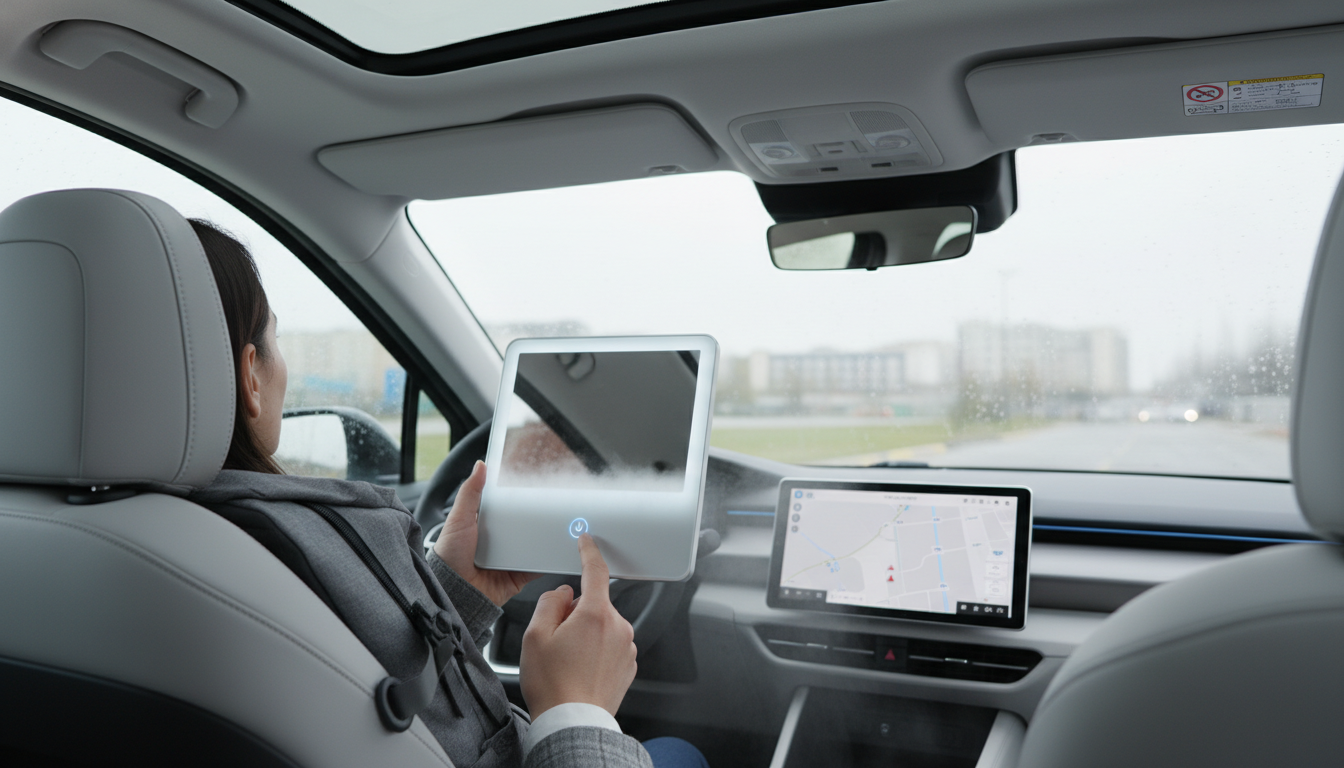
What are the common problems with LED mirrors?
LED mirrors are popular for bright, even lighting and a modern look, but a few recurring issues can pop up over time. Most problems come down to power, moisture, installation details, and the quality of the LED driver or touch controls.
Flickering or inconsistent brightness
Flicker is often tied to the LED driver (the component that regulates power) or a dimmer incompatibility. If a mirror is connected to a wall dimmer that isn’t rated for LEDs, you may see strobing, uneven dimming, or a buzzing sound. Voltage fluctuations or loose wire connections can also cause intermittent brightness.
Touch controls not responding
Capacitive touch buttons can become unreliable if there’s moisture on the surface, residue from cleaners, or an unstable power supply. Some mirrors also have a brief “wake” delay after power is restored, which can look like a malfunction if you’re not expecting it.
Anti-fog pad not clearing the mirror
Defoggers work best when they’re sized appropriately and given a few minutes to heat up. Common complaints include a small clear patch instead of a fully clear mirror, or the pad not activating due to wiring issues. In very steamy bathrooms, even a working pad may struggle if ventilation is poor.
Water-related failures and corrosion
Bathrooms are tough environments. If an LED mirror isn’t adequately sealed or is exposed to direct spray, moisture can reach the electronics, leading to corrosion, fogging behind the glass, or premature driver failure. Using harsh cleaners or spraying liquid directly onto the edges can make this worse.
Color temperature or “tone” dissatisfaction
Another common issue isn’t a defect—it’s preference. Some mirrors look too cool (bluish) or too warm (yellow) depending on the color temperature. If the mirror has adjustable color modes, accidental switching can make the lighting feel inconsistent day to day.
Installation and mounting challenges
Problems like a tilted mirror, rattling, or strain on wiring usually trace back to mounting hardware, stud placement, or a tight electrical box. Hardwired models may require an electrician to ensure safe connections and a clean fit.
For a closer look at a dimmable, anti-fog option and practical setup considerations, visit this LED bathroom mirror guide.
FAQ
How do you maintain an LED bathroom mirror?
Wipe with a soft microfiber cloth and a gentle, non-ammonia cleaner, and avoid spraying liquid directly onto seams or controls. Keep the room ventilated to reduce moisture stress on the electronics.
Recommended for you


Anti-Fog Bathroom Mirrors: Are They Worth It?
May 25, 2026













Leave a comment