-
Shop
- Advanced Technologies
- AI Skills Mastery 2026 Collection
- Beauty
- Best-Sellers
- Calvin Klein
- Car Accessories
- Car Buying & Ownership
- Dating & Social Confidence
- Dating & Social Skills
- Denim
- 7FOR
- AGOLDE
- Antony Morato
- Armani Exchange
- Boss
- Brunello Cucinelli
- Calvin Klein Jeans
- Costume National
- Desigual
- Diesel
- Dolce & Gabbana
- Dsquared²
- Ermanno Scervino
- Fendi
- Gianni Lupo
- Guess Jeans
- Ichi
- Just Cavalli
- Lee
- Levi's
- Liu Jo
- Morgan De Toi
- Mother Denim
- Only
- Pepe Jeans
- Pinko
- Replay
- Tommy Hilfiger Jeans
- Valentino
- Vero Moda
- Digital Resources
- Education & Learning
- Family & Parenting
- Fashion
- Alexander McQueen
- Bags & Wallets
- Balenciaga
- Belts
- Bottega Veneta
- Brunello Cucinelli
- Burberry
- Chanel
- Chloé
- Dior
- Dolce & Gabbana
- Etro
- Fendi
- Gucci
- Hats & Hair Accessories
- Jacquemus
- Jewelry
- Jil Sander
- Jimmy Choo
- Keychains
- Kiton
- Miu Miu
- Off-White
- Prada
- Rick Owens
- Saint Laurent
- Shoes
- Socks & Tights
- Sunglasses
- The Row
- Tom Ford
- Valentino
- Valentino Garavani
- Versace
- Vivienne Westwood
- Watches
- Fashion & Style
- Fashion Accessories
- Financial Education
- Find Your Path Collection
- Fitness
- Furniture
- Gadgets
- Health & Beauty
- Health & Wellness
- Home & Garden
- Home & Kitchen
- Home Styling & Organization
- Home Supplies
- Kids & Babies
- Kitchen
- Lighting
- Nike
- Online Business
- Online Business for Beginners
- Parenting
- Patio, Lawn & Garden
- Personal Growth
- Pet Care
- Pet Supplies
- Pets
- Smart Life with IA
- Sport & Outdoors
- Super Deals
- Travel
- Wealth
- Wealth Building
- Wellness
- YouTube Shorts Best-Sellers
- Popular
- Best deals
10PCS Baby Feeding Set: Steel Bowl + Silicone Tableware
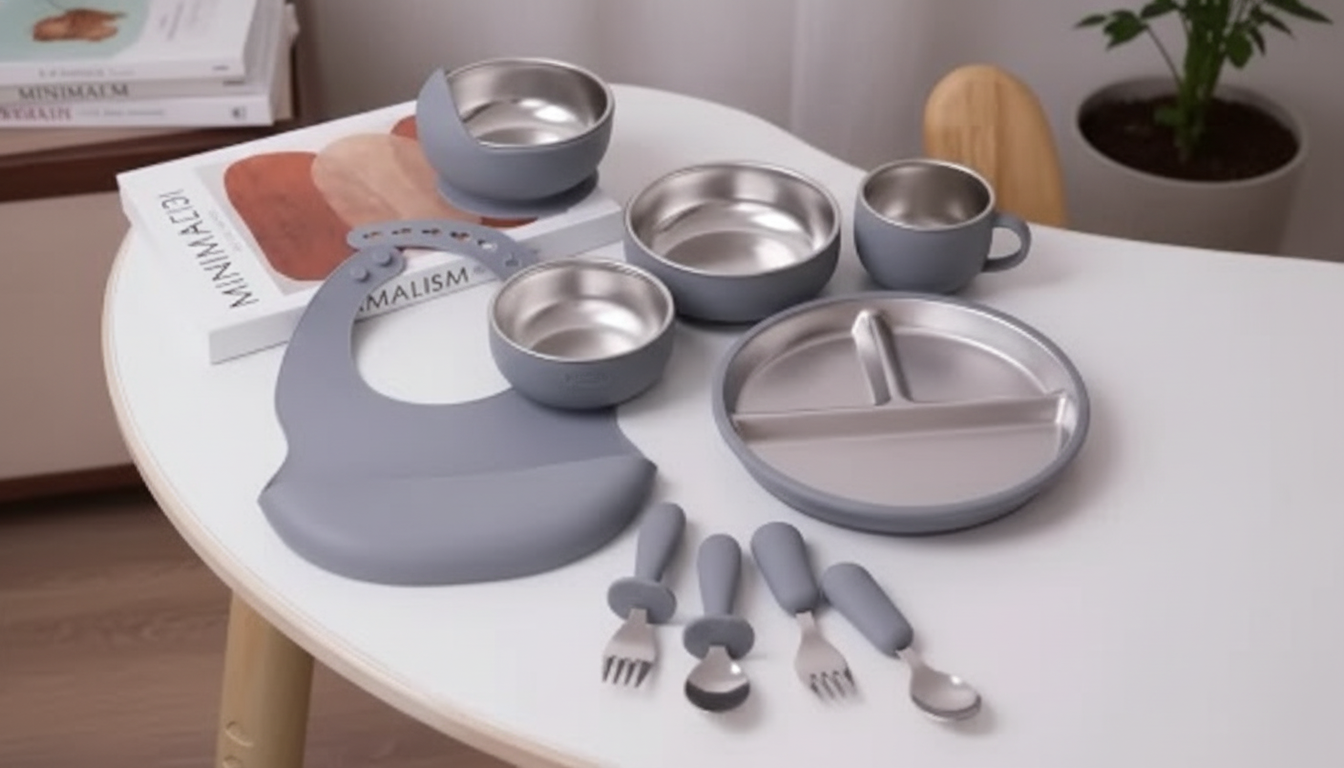
10PCS Baby Feeding Set with Stainless Steel Bowl & Silicone Tableware
A complete feeding kit can simplify the jump from milk feeds to solids by keeping portions manageable, reducing spills, and making cleanup faster. This 10-piece set pairs a durable stainless steel bowl with soft-touch silicone tableware designed for everyday toddler meals, snacks, and early self-feeding practice. For more guidance, see Baby’s Brew Feeding Bundle in Yellow/Green – Resources for Seniors.
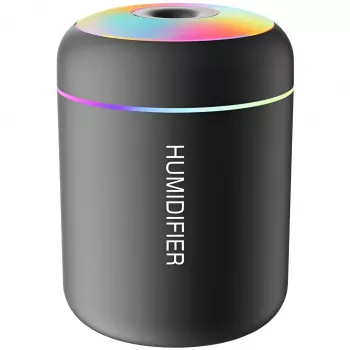
If you’re setting up a practical routine at home (and want a set that’s easy to pack for daycare or grandparents’ house), take a look at the 10PCS Baby Feeding Set Stainless Steel Bowl & Silicone Tableware. For a small nursery add-on that helps keep rooms comfortable during naps, the Mini USB Aroma Humidifier & Essential Oil Diffuser with Soft LED Light is another simple, everyday pick. For further reading, see Children’s Stainless steel Divided Plates | Adorable Frog Design.
What’s included and how each piece helps at mealtime
Babies learn to eat by repeating the same motions again and again: reaching, grabbing, scooping, sipping, and (yes) dropping. A coordinated feeding set supports those skills with pieces that feel predictable and work together.
- Stainless steel bowl: Built for daily use, resists staining and odor retention, and handles temperature changes better than many plastics.
- Silicone tableware pieces: Grippy, gentle on gums, and less likely to chip or shatter if dropped.
- Baby-friendly shapes: Sized for small portions, encouraging gradual skill-building with scooping and sipping.
- A single coordinated set: Reduces the need to mix and match items that don’t fit well together (for example, lids, spoons, or bowls that slide).
- Useful across stages: Works for early purees, thicker textures, finger foods, and simple toddler meals.
Materials at a glance: stainless steel vs. silicone for baby feeding
| Feature | Stainless steel bowl | Silicone tableware |
|---|---|---|
| Durability | Very high; dent-resistant in normal use | High; flexible and drop-friendly |
| Stain/odor resistance | Excellent | Good; can absorb odors if not cleaned thoroughly |
| Heat handling | Good; can warm quickly with hot foods | Good; stays cooler to the touch but can retain heat in thick items |
| Texture for little hands | Smooth, firm feel | Soft, grippy feel; easier to hold |
| Care needs | Wash and dry to prevent water spots | Avoid harsh abrasives; rinse well to reduce lingering smells |
Why combine stainless steel with silicone in one feeding set
Using two materials isn’t just an aesthetic choice—it can make the set more “real life” friendly. Stainless steel brings long-term resilience, while silicone adds comfort and traction where small hands need it most.
- Balanced performance: Stainless steel adds durability while silicone adds comfort and grip for small hands.
- Less breakage stress: Silicone items are forgiving during the “drop everything” phase; steel holds up when used daily.
- More consistent routines: Using the same bowl and utensils helps toddlers recognize mealtime tools and focus on eating.
- Practical for travel and daycare: Fewer separate purchases; easier to pack a matching set that covers common needs.
- A cleaner taste experience: Stainless steel is non-porous; silicone can be selected for food-grade quality and maintained with proper cleaning.
Safety and comfort checks parents care about
Feeding gear should feel simple to use, but it still deserves a quick safety mindset—especially when utensils get chewed and bowls get bumped off high chairs.
- Food-contact safety: Look for food-grade silicone and a stainless steel bowl designed for kitchen use; avoid items with strong chemical odors or sticky residue. The FDA provides background on food-contact substances and how they’re regulated: U.S. Food and Drug Administration (FDA) — Food Contact Substances.
- Choking and bite safety: Choose appropriately sized utensils and avoid small detachable parts; inspect routinely for tears, cracks, or loose components.
- Temperature awareness: Stainless steel can warm quickly; stir and test food temperature before serving, especially for purees heated in a microwave-safe container.
- Stable feeding setup: Prioritize pieces that resist sliding and tipping to reduce spills and frustration during self-feeding practice.
- Ongoing inspection: Discontinue use if silicone develops deep tears or if metal edges become damaged.
For general readiness tips when you’re starting solids, the American Academy of Pediatrics has a helpful overview here: American Academy of Pediatrics — Starting Solid Foods.
Care, cleaning, and keeping silicone fresh
Most “silicone smells weird” complaints come down to trapped soap film, leftover oils, or incomplete drying. A few small habits keep both materials tasting clean meal after meal.
- Daily wash: Warm water and mild dish soap are usually enough; rinse thoroughly to remove soap film that can trap odors.
- Odor and taste reset: If silicone retains smells, soak in a baking soda solution, rinse well, and air-dry fully.
- Avoid harsh abrasives: Rough scrubbers can dull surfaces and create micro-scratches that hold residue.
- Dry completely: Moisture left on stainless steel may cause water spots; air-drying on a rack helps.
- Routine deep clean: Occasional heat-safe methods (per product guidance) can help refresh silicone; follow manufacturer instructions for temperature limits.
Everyday uses: from first tastes to toddler portions
A well-chosen set earns its place by handling ordinary meals without extra fuss. Instead of saving “the good stuff” for later, the goal is tableware that can take daily repetition.
When this set is a good fit
FAQ
Is it safe to use a silicone feeding set for babies?
It can be safe when the silicone is food-grade, the pieces are well-made, and you regularly inspect them for tears or loose parts. Wash thoroughly to reduce residue and odors, and always supervise babies during feeding.
Which material is best for a baby feeding bowl?
Stainless steel is a strong option for durability and stain resistance, while silicone can be helpful for grip and a softer feel. The best choice depends on your child’s age, how they handle utensils, and how you prefer to clean and maintain the set.
Recommended for you

Zip-Up Hoodie Too Big? Easy Fixes That Work
May 7, 2026












Leave a comment