-
Shop
- Advanced Technologies
- AI Skills Mastery 2026 Collection
- Beauty
- Best-Sellers
- Calvin Klein
- Car Accessories
- Car Buying & Ownership
- Dating & Social Confidence
- Dating & Social Skills
- Denim
- 7FOR
- AGOLDE
- Antony Morato
- Armani Exchange
- Boss
- Brunello Cucinelli
- Calvin Klein Jeans
- Costume National
- Desigual
- Diesel
- Dolce & Gabbana
- Dsquared²
- Ermanno Scervino
- Fendi
- Gianni Lupo
- Guess Jeans
- Ichi
- Just Cavalli
- Lee
- Levi's
- Liu Jo
- Morgan De Toi
- Mother Denim
- Only
- Pepe Jeans
- Pinko
- Replay
- Tommy Hilfiger Jeans
- Valentino
- Vero Moda
- Digital Resources
- Education & Learning
- Family & Parenting
- Fashion
- Alexander McQueen
- Bags & Wallets
- Balenciaga
- Belts
- Bottega Veneta
- Brunello Cucinelli
- Burberry
- Chanel
- Chloé
- Dior
- Dolce & Gabbana
- Etro
- Fendi
- Gucci
- Hats & Hair Accessories
- Jacquemus
- Jewelry
- Jil Sander
- Jimmy Choo
- Keychains
- Kiton
- Miu Miu
- Off-White
- Prada
- Rick Owens
- Saint Laurent
- Shoes
- Socks & Tights
- Sunglasses
- The Row
- Tom Ford
- Valentino
- Valentino Garavani
- Versace
- Vivienne Westwood
- Watches
- Fashion & Style
- Fashion Accessories
- Financial Education
- Find Your Path Collection
- Fitness
- Furniture
- Gadgets
- Health & Beauty
- Health & Wellness
- Home & Garden
- Home & Kitchen
- Home Styling & Organization
- Home Supplies
- Kids & Babies
- Kitchen
- Lighting
- Nike
- Online Business
- Online Business for Beginners
- Parenting
- Patio, Lawn & Garden
- Personal Growth
- Pet Care
- Pet Supplies
- Pets
- Smart Life with IA
- Sport & Outdoors
- Super Deals
- Travel
- Wealth
- Wealth Building
- Wellness
- YouTube Shorts Best-Sellers
- Popular
- Best deals
AI in Sleep Studies: How It Analyzes Your Night Data
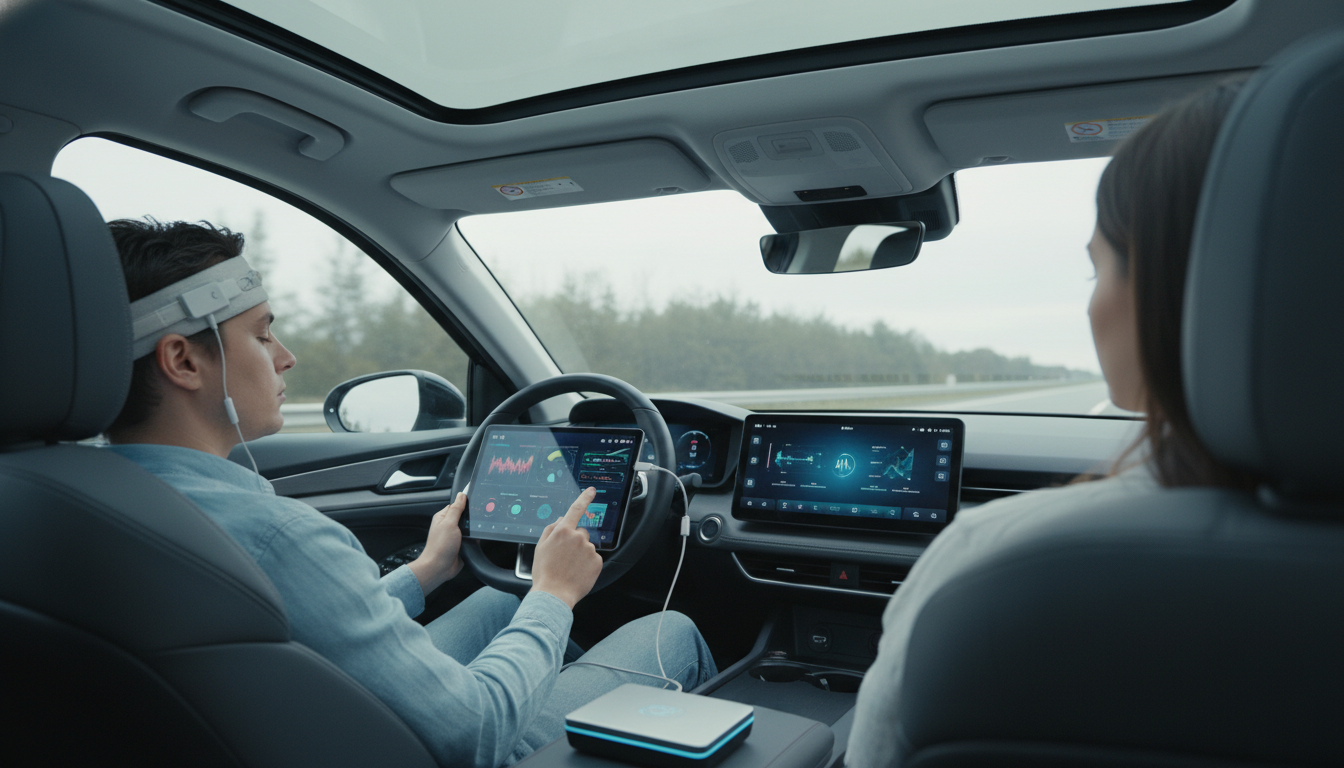
What is AI in a sleep study?
AI in a sleep study refers to using artificial intelligence to help analyze sleep data—such as breathing patterns, heart rate, movement, and brain activity—and turn it into clearer, faster insights. In a traditional sleep study (often called polysomnography), trained technicians review hours of sensor recordings and score sleep stages and events. With AI, software can assist by detecting patterns in the data, flagging potential issues, and reducing the time it takes to interpret results.
Instead of relying on a single signal, AI can combine multiple inputs to spot subtle changes that might be missed during manual review. For example, it may help identify repeated breathing interruptions, unusual oxygen dips, or frequent micro-awakenings that disrupt deep sleep—even when a person doesn’t remember waking up.
How AI is used during testing
AI can be used in lab-based studies and at-home sleep tests. In a lab, it may support the sleep team by automatically labeling sleep stages (like REM or deep sleep), detecting apneas/hypopneas, and highlighting segments that need a closer look. In at-home testing, AI can help clean up noisy recordings, estimate sleep quality from fewer sensors, and generate reports that clinicians can review more efficiently.
What AI can (and can’t) do
AI can improve consistency, speed, and pattern recognition, but it doesn’t replace medical judgment. A clinician still confirms diagnoses, considers symptoms and medical history, and decides on treatment. AI is best viewed as a smart assistant that helps organize complex sleep signals into actionable findings.
How this connects to smarter sleep routines
Sleep research and consumer sleep tools increasingly overlap: the same kinds of signals used in studies can also inform personalized routines. For practical ways AI can support a more tailored bedtime schedule and better sleep habits, visit this guide to sleeping smarter with AI and a personalized bedtime routine.
FAQ
Can AI help diagnose sleep apnea?
AI can help detect breathing interruptions and oxygen drops that are consistent with sleep apnea, but a licensed clinician makes the final diagnosis and determines next steps.














Leave a comment