-
Shop
- Advanced Technologies
- AI Skills Mastery 2026 Collection
- Beauty
- Best-Sellers
- Calvin Klein
- Car Accessories
- Car Buying & Ownership
- Dating & Social Confidence
- Dating & Social Skills
- Denim
- 7FOR
- AGOLDE
- Antony Morato
- Armani Exchange
- Boss
- Brunello Cucinelli
- Calvin Klein Jeans
- Costume National
- Desigual
- Diesel
- Dolce & Gabbana
- Dsquared²
- Ermanno Scervino
- Fendi
- Gianni Lupo
- Guess Jeans
- Ichi
- Just Cavalli
- Lee
- Levi's
- Liu Jo
- Morgan De Toi
- Mother Denim
- Only
- Pepe Jeans
- Pinko
- Replay
- Tommy Hilfiger Jeans
- Valentino
- Vero Moda
- Digital Resources
- Education & Learning
- Family & Parenting
- Fashion
- Alexander McQueen
- Bags & Wallets
- Balenciaga
- Belts
- Bottega Veneta
- Brunello Cucinelli
- Burberry
- Chanel
- Chloé
- Dior
- Dolce & Gabbana
- Etro
- Fendi
- Gucci
- Hats & Hair Accessories
- Jacquemus
- Jewelry
- Jil Sander
- Jimmy Choo
- Keychains
- Kiton
- Miu Miu
- Off-White
- Prada
- Rick Owens
- Saint Laurent
- Shoes
- Socks & Tights
- Sunglasses
- The Row
- Tom Ford
- Valentino
- Valentino Garavani
- Versace
- Vivienne Westwood
- Watches
- Fashion & Style
- Fashion Accessories
- Financial Education
- Find Your Path Collection
- Fitness
- Furniture
- Gadgets
- Health & Beauty
- Health & Wellness
- Home & Garden
- Home & Kitchen
- Home Styling & Organization
- Home Supplies
- Kids & Babies
- Kitchen
- Lighting
- Nike
- Online Business
- Online Business for Beginners
- Parenting
- Patio, Lawn & Garden
- Personal Growth
- Pet Care
- Pet Supplies
- Pets
- Smart Life with IA
- Sport & Outdoors
- Super Deals
- Travel
- Wealth
- Wealth Building
- Wellness
- YouTube Shorts Best-Sellers
- Popular
- Best deals
Moving With Pets: Calm Packing, Travel & First-Week Plan
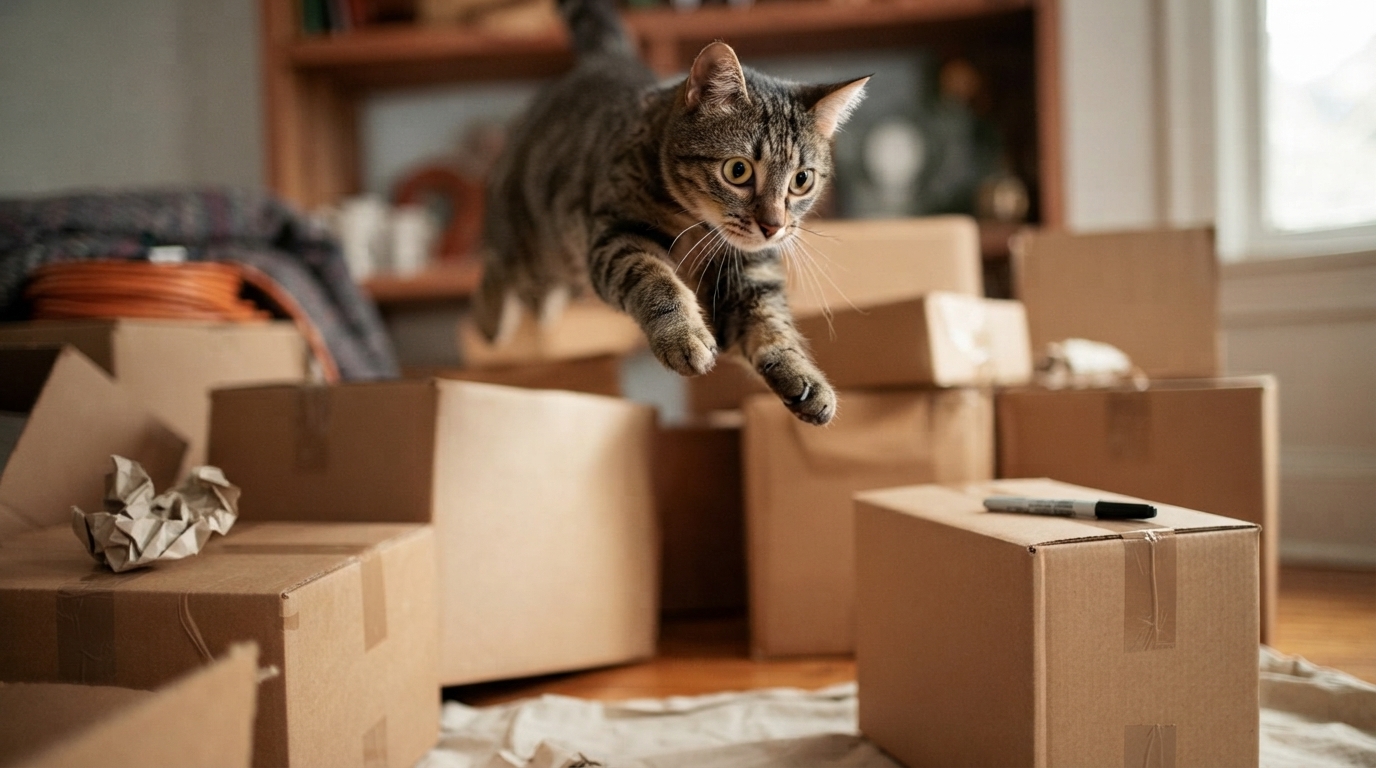
Paws, Claws, and Packing: A Calm, Step-by-Step Plan for Moving With Pets
Moving can disrupt routines, sounds, scents, and safe spaces—exactly the things pets rely on to feel secure. A calmer relocation comes from planning in phases: preparing early, packing without chaos, managing moving day safely, and helping animals settle into the new home with predictable routines. Below is a practical, pet-first plan for dogs, cats, and small animals, including a simple timeline, carrier and crate strategies, travel-day safety, and a first-week setup that helps reduce stress behaviors like hiding, barking, accidents, or appetite changes.
Start With a Pet Stress Snapshot
Before boxes show up, take a clear look at what actually stresses each pet. This keeps you from guessing under pressure when the house is noisy and doors are constantly opening.
- Identify triggers: strangers in the home, loud or sharp sounds, vacuum/packing tape, car rides, being crated, or changes to litter/food placement.
- Note baseline behavior and health: appetite, bathroom habits, sleep, reactivity, and chronic conditions that could flare when routines change.
- Plan management tools early: a crate-training refresh, short predictable “calm breaks,” white noise, and species-appropriate pheromone products.
- Decide if support is needed: veterinarian guidance for travel anxiety, a certified trainer for reactivity, or a pet sitter for moving day.
If you want a veterinary perspective on travel safety basics, the American Veterinary Medical Association (AVMA) guidance on traveling with pets is a solid starting point.
A Simple Timeline That Prevents Last-Minute Panic
Most pet stress comes from sudden change. A timeline turns moving into small, predictable steps.
| When | Do this | Why it helps |
|---|---|---|
| 4–6 weeks before | Update microchip/ID, confirm vet records, begin crate/carrier practice | Reduces escape risk and makes confinement familiar |
| 2–3 weeks before | Introduce packing activity gradually, maintain feeding/walk schedule | Prevents stress spikes from sudden routine changes |
| 1 week before | Pack pet essentials bag and keep favorite items accessible | Ensures continuity and avoids rummaging on moving day |
| Moving day | Use a quiet room or sitter; transport pets last; secure carriers | Limits exposure to noise, doors opening, and chaos |
| First 7 days | Create a predictable routine and confined “home base” area | Helps pets map the new space safely |
Packing Without Disrupting Your Pet’s Safe Signals
Packing changes the “map” your pet uses to feel secure. Keep the safest cues stable until the very end.
- Protect core zones: keep the feeding station, litter box area, sleeping spots, and favorite hiding places intact as long as possible.
- Pack in short blocks: a few focused sessions are often easier on pets than an all-day upheaval. Pair packing sounds with treats or play.
- Make carriers and crates feel normal: leave them out like furniture; toss treats inside randomly so the “box” predicts good things.
- Label a “Do Not Pack” set: bowls, leash/harness, litter scoop, favorite toy/blanket, and at least a week of food to avoid abrupt diet changes.
For general pet care tips that support consistency during transitions, the ASPCA pet care guidance offers helpful refreshers on routine needs and wellness basics.
Moving Day: Safety Protocol for Doors, Noise, and Strangers
Moving day has two big risks: escape and sensory overload. A simple protocol reduces both.
- Use a closed safe room with signage: “Pet inside—do not open.” Include water, bedding, and a white-noise source. For cats and small animals, add litter or habitat essentials.
- Consider off-site care: a trusted friend, daycare, or pet sitter can keep pets out of the chaos and away from propped-open doors.
- Transport pets after most items are loaded: less time around strangers, banging, and open exits.
- Never transport loose: use a secured carrier or a crash-tested harness setup. Cats and small animals should remain in carriers.
- Expect stress mishaps: bring cleaning supplies, paper towels, and a spare towel/blanket in case of nausea or accidents.
Travel and Arrival: Dogs, Cats, and Small Animals
Dogs
- Clip the leash on before opening the car door.
- Walk the perimeter of the new place on leash first so the environment becomes predictable.
- Set up a familiar bed/blanket and water station immediately to create a “known” zone.
Cats
- Start with one closed “base camp” room with food, water, litter, and a hiding option.
- Place the litter box away from food and water to encourage normal use.
- Expand access gradually: one additional room at a time once appetite and litter habits look normal.
Small animals (rabbits, guinea pigs, hamsters)
The First Week: Settling In Without Creating New Problems
A Ready-to-Use Checklist and Extra Support
- Paws, Claws, and Packing: Moving with Pets (eBook)
- Helping Teens Build Healthy Connections in a Digital World (eBook)
FAQ
Should pets be present while movers are carrying boxes in and out?
No—use a closed safe room with a clear “do not open” sign or arrange off-site care. This reduces escape risk from open doors and limits stress from noise, strangers, and constant movement; include water, bedding, and litter/habitat essentials in the safe space.
How long does it take for a cat to adjust to a new home after a move?
Many cats settle within a few days to a few weeks, depending on temperament and how stable the routine stays. A base-camp room, gradual expansion, and consistent feeding/litter placement usually speed adjustment; call a vet if appetite, elimination, or behavior changes are severe or don’t improve.
Is it safe to give a pet calming medication for the car ride?
Only with veterinarian guidance, ideally after a test run before moving day. Never give human medications or unapproved sedatives, since dosing and side effects can be dangerous and may worsen anxiety in some pets.
Recommended for you



Most Iconic Animal Ever: Why the Lion Leads
Jul 4, 2026













Leave a comment