-
Shop
- Advanced Technologies
- AI Skills Mastery 2026 Collection
- Beauty
- Best-Sellers
- Calvin Klein
- Car Accessories
- Car Buying & Ownership
- Dating & Social Confidence
- Dating & Social Skills
- Denim
- 7FOR
- AGOLDE
- Antony Morato
- Armani Exchange
- Boss
- Brunello Cucinelli
- Calvin Klein Jeans
- Costume National
- Desigual
- Diesel
- Dolce & Gabbana
- Dsquared²
- Ermanno Scervino
- Fendi
- Gianni Lupo
- Guess Jeans
- Ichi
- Just Cavalli
- Lee
- Levi's
- Liu Jo
- Morgan De Toi
- Mother Denim
- Only
- Pepe Jeans
- Pinko
- Replay
- Tommy Hilfiger Jeans
- Valentino
- Vero Moda
- Digital Resources
- Education & Learning
- Family & Parenting
- Fashion
- Alexander McQueen
- Bags & Wallets
- Balenciaga
- Belts
- Bottega Veneta
- Brunello Cucinelli
- Burberry
- Chanel
- Chloé
- Dior
- Dolce & Gabbana
- Etro
- Fendi
- Gucci
- Hats & Hair Accessories
- Jacquemus
- Jewelry
- Jil Sander
- Jimmy Choo
- Keychains
- Kiton
- Miu Miu
- Off-White
- Prada
- Rick Owens
- Saint Laurent
- Shoes
- Socks & Tights
- Sunglasses
- The Row
- Tom Ford
- Valentino
- Valentino Garavani
- Versace
- Vivienne Westwood
- Watches
- Fashion & Style
- Fashion Accessories
- Financial Education
- Find Your Path Collection
- Fitness
- Furniture
- Gadgets
- Health & Beauty
- Health & Wellness
- Home & Garden
- Home & Kitchen
- Home Styling & Organization
- Home Supplies
- Kids & Babies
- Kitchen
- Lighting
- Nike
- Online Business
- Online Business for Beginners
- Parenting
- Patio, Lawn & Garden
- Personal Growth
- Pet Care
- Pet Supplies
- Pets
- Smart Life with IA
- Sport & Outdoors
- Super Deals
- Travel
- Wealth
- Wealth Building
- Wellness
- YouTube Shorts Best-Sellers
- Popular
- Best deals
Use AI to Write a Guided Meditation for Your Mood
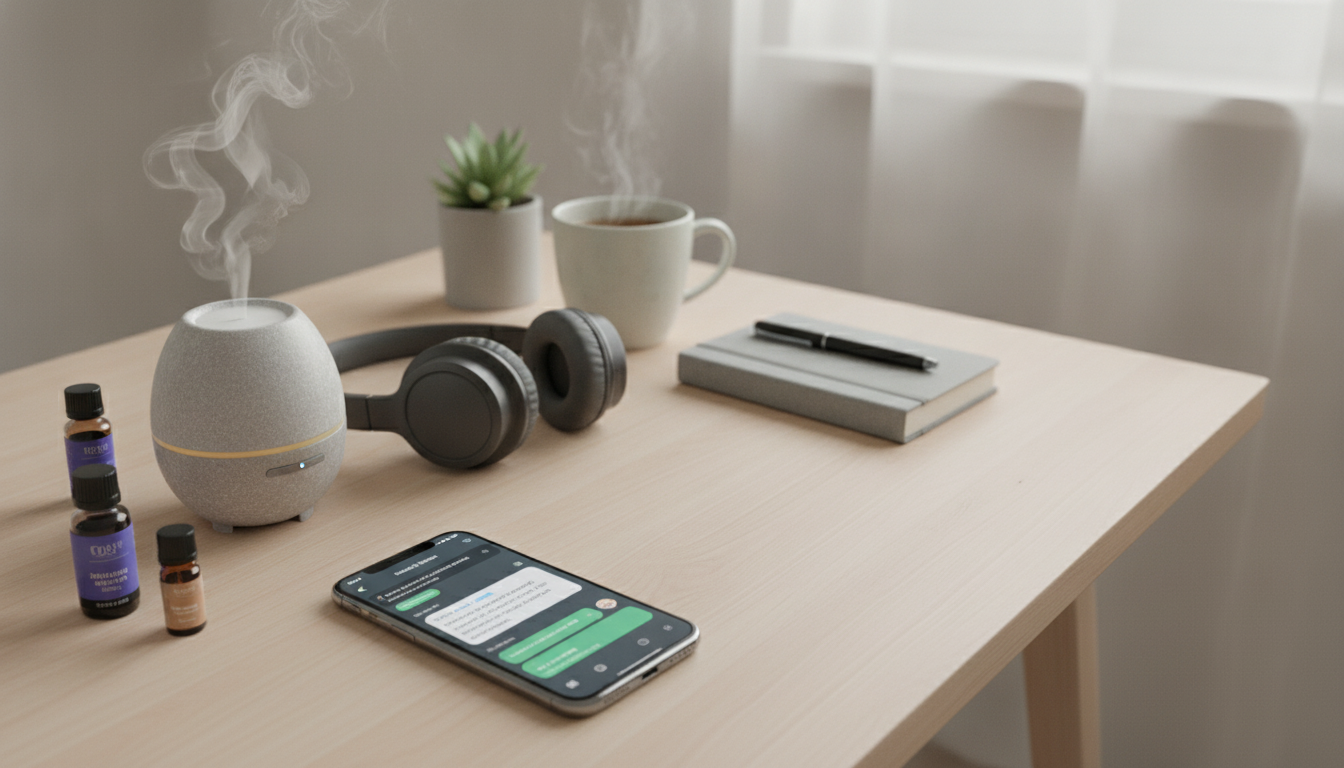
How do you use AI to generate a guided meditation prompt that fits your mood?
Start by naming your mood in plain, concrete language, then add what you want to feel instead. AI works best when it has both your current state and your desired direction—calmer, steadier, more energized, more accepting, or ready for sleep.
1) Identify your mood with a few specifics
Pick one primary mood (anxious, restless, low, overstimulated, angry, foggy, tired) and add a quick body check: tight chest, busy thoughts, jaw tension, heavy limbs, or a racing heart. This helps the meditation match what’s actually happening, not just a label.
2) Choose the meditation style that matches the moment
Decide whether you want breath counting, body scan, visualization, loving-kindness, or a simple grounding practice. If your mind is loud, ask for more structure (counts, cues, timed pauses). If you feel numb or disconnected, ask for sensory grounding and gentle movement cues.
3) Give AI clear constraints
Set duration (3, 5, 10, or 15 minutes), tone (warm, neutral, coach-like, spiritual or secular), and voice (second person “you” is usually easiest to follow). Add boundaries such as “no religious language,” “avoid trauma content,” or “no ocean imagery.”
4) Ask for a guided script with pacing
Request short sentences, natural pauses, and optional background suggestions (silence, soft music, or none). If you want it to feel realistic, ask for timestamps or pause markers every 20–40 seconds.
5) Refine with one follow-up
After the first draft, adjust only one thing at a time: “make it gentler,” “more grounding,” “less wordy,” or “add a soothing ending for sleep.” Two quick revisions usually outperform a single complicated request.
For more ready-to-use ideas and a simple checklist you can adapt to any mood, visit this guide on AI meditation sparks for calm, focus, and sleep.
FAQ
What should you include in a meditation request to get better results?
Include your current mood, where you feel it in your body, the length of the session, and the style (body scan, breath, visualization, or loving-kindness). Adding tone preferences and “avoid” notes keeps the guidance comfortable and relevant.
Recommended for you


Turn a Human Hoodie Into a Cozy Dog Hoodie
Jul 2, 2026













Leave a comment