-
Shop
- Advanced Technologies
- AI Skills Mastery 2026 Collection
- Beauty
- Best-Sellers
- Calvin Klein
- Car Accessories
- Car Buying & Ownership
- Dating & Social Confidence
- Dating & Social Skills
- Denim
- 7FOR
- AGOLDE
- Antony Morato
- Armani Exchange
- Boss
- Brunello Cucinelli
- Calvin Klein Jeans
- Costume National
- Desigual
- Diesel
- Dolce & Gabbana
- Dsquared²
- Ermanno Scervino
- Fendi
- Gianni Lupo
- Guess Jeans
- Ichi
- Just Cavalli
- Lee
- Levi's
- Liu Jo
- Morgan De Toi
- Mother Denim
- Only
- Pepe Jeans
- Pinko
- Replay
- Tommy Hilfiger Jeans
- Valentino
- Vero Moda
- Digital Resources
- Education & Learning
- Family & Parenting
- Fashion
- Alexander McQueen
- Bags & Wallets
- Balenciaga
- Belts
- Bottega Veneta
- Brunello Cucinelli
- Burberry
- Chanel
- Chloé
- Dior
- Dolce & Gabbana
- Etro
- Fendi
- Gucci
- Hats & Hair Accessories
- Jacquemus
- Jewelry
- Jil Sander
- Jimmy Choo
- Keychains
- Kiton
- Miu Miu
- Off-White
- Prada
- Rick Owens
- Saint Laurent
- Shoes
- Socks & Tights
- Sunglasses
- The Row
- Tom Ford
- Valentino
- Valentino Garavani
- Versace
- Vivienne Westwood
- Watches
- Fashion & Style
- Fashion Accessories
- Financial Education
- Find Your Path Collection
- Fitness
- Furniture
- Gadgets
- Health & Beauty
- Health & Wellness
- Home & Garden
- Home & Kitchen
- Home Styling & Organization
- Home Supplies
- Kids & Babies
- Kitchen
- Lighting
- Nike
- Online Business
- Online Business for Beginners
- Parenting
- Patio, Lawn & Garden
- Personal Growth
- Pet Care
- Pet Supplies
- Pets
- Smart Life with IA
- Sport & Outdoors
- Super Deals
- Travel
- Wealth
- Wealth Building
- Wellness
- YouTube Shorts Best-Sellers
- Popular
- Best deals
Calm Night Wakings: Sleep Help for Babies & Toddlers
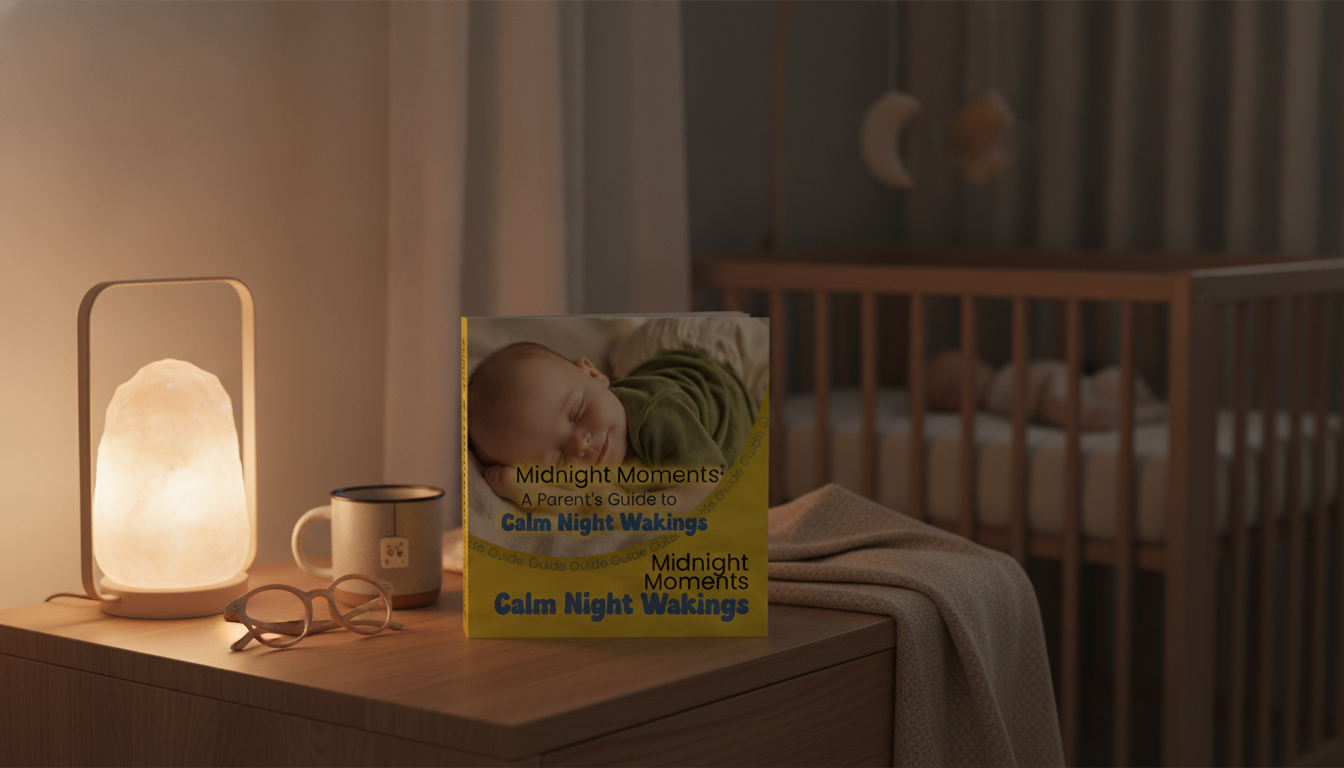
Midnight Moments: A Parent’s Guide to Calm Night Wakings for Babies and Toddlers
Night wakings can feel endless, but they’re also common and usually change with age and routine. A calmer night starts with understanding why waking happens, setting up a predictable response, and choosing strategies that match a child’s development and temperament. This guide focuses on practical, low-drama steps that support sleep while keeping everyone safe and emotionally grounded.
Why Night Wakings Happen (and When They’re Typical)
Babies and toddlers move through lighter sleep more frequently than adults, so brief wake-ups are part of normal sleep architecture. Many children rouse, reposition, and drift back off—until something (hunger, discomfort, habit, or a big developmental jump) makes it hard to resettle.
- Common triggers: hunger, temperature swings, wet diapers, reflux, illness, teething, overtiredness, separation anxiety, and developmental leaps.
- Toddlers: nightmares, night terrors, new fears (darkness, shadows), and boundary-testing can appear, especially after major transitions.
- Routine disruptions: travel, daycare changes, dropping a nap, or a later bedtime can shift the pattern quickly.
- Get medical guidance if there are signs of breathing issues, persistent pain, severe reflux, frequent vomiting, failure to thrive, or extreme snoring.
For safe sleep basics—especially for infants—follow guidance from the American Academy of Pediatrics.
A Calm Response Plan for the Middle of the Night
The goal is to help your child feel safe while keeping the interaction “sleepy,” not exciting. A simple plan reduces decision fatigue at 2 a.m. and makes it easier for multiple caregivers to respond consistently.
- Pause briefly: if your child is safe, wait a moment before stepping in. Many wake-ups resolve within minutes.
- Keep it boring: dim lights, minimal talking, no screens, and repeat the same cues every time.
- Use a tiny script: choose one phrase and stick with it (“You’re safe. It’s sleep time.”).
- Start with the smallest intervention: check safety and comfort first, then step back to allow resettling.
- Align caregivers: agree on who responds, how long to wait, and what “help” looks like so the plan doesn’t change night-to-night.
Age-by-Age Strategies: What to Try First
0–4 months: meet needs and protect safe sleep
Frequent waking is expected. Prioritize a safe sleep setup, feed when hungry, and use gentle soothing (rocking, shushing, pacifier if used) while keeping the room dark and calm.
4–8 months: predictable cues and fewer accidental habits
Build a short bedtime routine and practice putting your baby down calm and drowsy when possible. If feeding or rocking has become the only way back to sleep, reduce the “help” gradually—one small step at a time.
8–18 months: separation anxiety and consistent reassurance
Many children want proof you’re still nearby. Offer brief, consistent reassurance without escalating into play or long cuddles. If check-ins fit your family, keep them short, predictable, and calm.
18 months–3 years: fears, dreams, and boundaries
Use warmth plus clear limits. A comfort object, a night light, and a simple return-to-bed routine can help. For repeated requests, a “bedtime pass” (one allowable trip out of bed) can reduce power struggles while keeping expectations clear.
When illness, travel, or a big developmental phase hits, it’s normal to add comfort temporarily—then return to the plan once your child is well and the schedule stabilizes.
Common night-waking causes and calming responses
| Likely cause | Clues | First response | If it keeps happening |
|---|---|---|---|
| Hunger / growth spurt | Wakes upset, settles after feeding | Feed calmly, keep lights low | Review daytime calories, consider spaced feeds if age-appropriate |
| Overtiredness | Short naps, wired bedtime, early waking | Earlier bedtime, calming wind-down | Adjust schedule; protect naps; avoid late-day overstimulation |
| Sleep association | Needs rocking/feeding to return to sleep each time | Reduce assistance by one small step | Choose a consistent method (gradual fading or timed check-ins) |
| Discomfort / environment | Restless, sweating/cold, itchy, wet diaper | Check temperature, clothing, diaper | Optimize room temp, bedding, and discuss reflux/allergies with pediatrician if needed |
| Nightmares (toddlers) | Remembers dream, seeks comfort | Brief comfort, reassure, return to bed | Daytime talk about fears; avoid scary media; keep response consistent |
| Night terrors (toddlers) | Looks awake but isn’t; hard to console | Ensure safety, avoid waking | Track timing; consider earlier bedtime; consult clinician if frequent |
Building a Bedtime Routine That Reduces Night Wakings
For additional background on children’s sleep needs by age, the National Sleep Foundation offers helpful overviews.
Gentle Boundaries That Still Feel Supportive
When Night Wakings Spike: Illness, Travel, and Regressions
Making Nights Easier on the Parents
A Guided Resource for Consistent, Calm Night Responses
- Midnight Moments: A Parent’s Guide to Calm Night Wakings – How to Handle Night Wakings for Babies and Toddlers
- Helping Teens Build Healthy Connections in a Digital World – eBook Guide
- Losing Body Fat Percentage eBook | Nutrition, Workouts & Lifestyle Strategies
FAQ
How long should it take to see improvement with night wakings?
Many families notice early changes in 3–7 nights (like shorter wake-ups or less help needed), with more stable improvement around 10–14 nights when responses stay consistent. Progress is usually a trend, not a straight line—especially during illness or big developmental leaps.
What should be done if a toddler keeps getting out of bed at night?
Return your toddler to bed calmly and consistently with minimal talking, aiming to make getting up “boring.” A bedtime pass and morning praise for staying in bed can help, and it’s worth checking for fear triggers or an overtired schedule that’s fueling repeated wake-ups.
Are night terrors the same as nightmares?
No—nightmares usually happen later in the night and a child can often describe the dream, while night terrors tend to occur earlier and the child may look awake but be inconsolable and not remember it. During night terrors, focus on safety and avoid trying to fully wake your child; consult a clinician if episodes are frequent or risky.
















Leave a comment