-
Shop
- Advanced Technologies
- AI Skills Mastery 2026 Collection
- Beauty
- Best-Sellers
- Calvin Klein
- Car Accessories
- Car Buying & Ownership
- Dating & Social Confidence
- Dating & Social Skills
- Denim
- 7FOR
- AGOLDE
- Antony Morato
- Armani Exchange
- Boss
- Brunello Cucinelli
- Calvin Klein Jeans
- Costume National
- Desigual
- Diesel
- Dolce & Gabbana
- Dsquared²
- Ermanno Scervino
- Fendi
- Gianni Lupo
- Guess Jeans
- Ichi
- Just Cavalli
- Lee
- Levi's
- Liu Jo
- Morgan De Toi
- Mother Denim
- Only
- Pepe Jeans
- Pinko
- Replay
- Tommy Hilfiger Jeans
- Valentino
- Vero Moda
- Digital Resources
- Education & Learning
- Family & Parenting
- Fashion
- Alexander McQueen
- Bags & Wallets
- Balenciaga
- Belts
- Bottega Veneta
- Brunello Cucinelli
- Burberry
- Chanel
- Chloé
- Dior
- Dolce & Gabbana
- Etro
- Fendi
- Gucci
- Hats & Hair Accessories
- Jacquemus
- Jewelry
- Jil Sander
- Jimmy Choo
- Keychains
- Kiton
- Miu Miu
- Off-White
- Prada
- Rick Owens
- Saint Laurent
- Shoes
- Socks & Tights
- Sunglasses
- The Row
- Tom Ford
- Valentino
- Valentino Garavani
- Versace
- Vivienne Westwood
- Watches
- Fashion & Style
- Fashion Accessories
- Financial Education
- Find Your Path Collection
- Fitness
- Furniture
- Gadgets
- Health & Beauty
- Health & Wellness
- Home & Garden
- Home & Kitchen
- Home Styling & Organization
- Home Supplies
- Kids & Babies
- Kitchen
- Lighting
- Nike
- Online Business
- Online Business for Beginners
- Parenting
- Patio, Lawn & Garden
- Personal Growth
- Pet Care
- Pet Supplies
- Pets
- Smart Life with IA
- Sport & Outdoors
- Super Deals
- Travel
- Wealth
- Wealth Building
- Wellness
- YouTube Shorts Best-Sellers
- Popular
- Best deals
Waterproof Mommy Bag: Large Capacity + Insulated Bottles
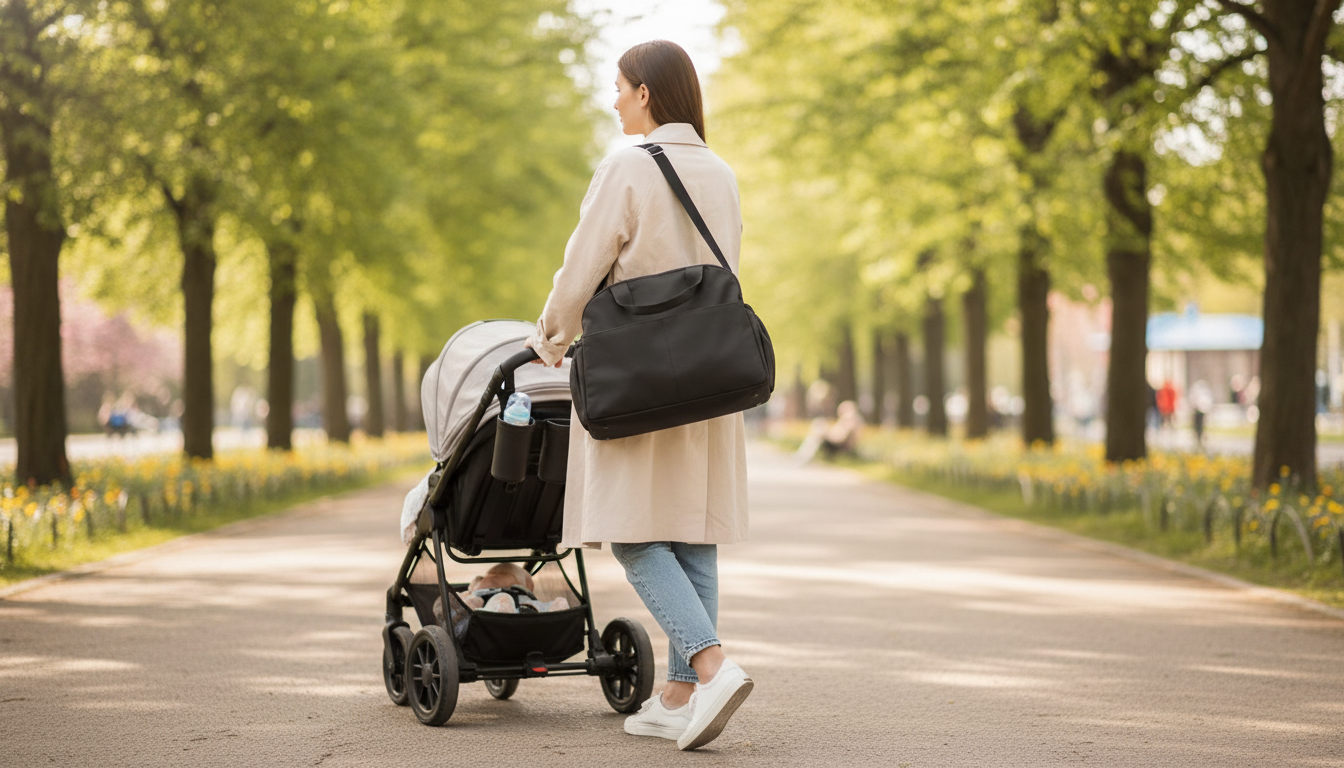
Large Capacity Waterproof Mommy Bag with Insulated Bottle Holders: Everyday Organization for Life on the Go
A roomy, waterproof mommy bag can make outings smoother by keeping diapers, wipes, bottles, and personal items separated and easy to reach. The right layout reduces mid-errand stress, especially when you’re juggling a stroller, a toddler, and a time-sensitive feed. Below is a practical breakdown of what to look for, why insulated bottle storage matters, and how to pack so you’re not digging through one giant compartment during a quick change.
What Makes a Mommy Bag Work for Real-Life Outings
The best diaper bags aren’t just “big”—they’re built for quick decisions and faster access. A well-designed mommy bag balances capacity, pocket placement, and comfort so you can keep moving.
- Large capacity for bulkier essentials: diapers, extra outfits, swaddles, and a compact changing pad.
- Water-resistant or waterproof exterior: helps with spills, rain, and stroller-side puddles.
- Dedicated bottle storage: keeps feeds predictable and reduces the chance of leaks soaking clothes.
- Quick-access pockets: for wipes, sanitizer, pacifiers, and your phone.
- Comfortable carry options: handles, shoulder strap, or backpack-style carry for longer walks.
It also helps when the “parent zone” (keys, wallet, lip balm) stays separate from the “baby zone,” so you’re not fishing past wipes and burp cloths just to find a card.
Why Waterproof Materials Matter (Beyond Bad Weather)
Waterproofing pulls its weight long before you get caught in a downpour. Messes usually happen inside the bag: spit-up, formula drips, sticky snack hands, and surprise leaks from a half-closed bottle.
- Everyday spills happen constantly: waterproof interiors and exteriors make wipe-downs faster.
- Less odor and staining over time: materials that don’t absorb help prevent that lingering “milk smell.”
- More confidence setting it down: a water-resistant base helps on restroom floors, benches, damp grass, or playground edges.
- Better moisture control: sealed or reinforced seams and sturdy zippers help keep moisture from creeping in.
- Still use small pouches: even a waterproof bag benefits from isolating wet clothes or used bibs in a separate pouch.
For feeding safety and storage guidance (especially for breast milk and prepared formula), authoritative resources like the CDC’s breast milk storage recommendations and CDC formula preparation and storage guidance are worth bookmarking.
Insulated Bottle Holders: How They Help During the Day
Insulated bottle holders do more than “keep things cool.” They create a dedicated, predictable place for feeding items, which helps you stay organized when you’re away from home.
- More consistent temperatures: helps keep prepared bottles cooler longer and reduces temperature swings during errands.
- Less tipping and leaking: the added structure keeps bottles from rolling into other items.
- Cleaner separation: bottles stay away from dry storage like spare clothes and diapers.
- Useful for longer outings: pair with a small ice pack when carrying expressed breast milk or prepared formula.
- Easier to maintain: cleaning the bottle area regularly helps prevent residue and odors.
| Situation | Why it helps | Packing tip |
|---|---|---|
| Short errands (1–2 hours) | Keeps bottles stable and separated | Pre-measure formula and carry water separately when preferred |
| Day trips (3–6 hours) | Slows warming/cooling changes | Add a small ice pack near bottle section if carrying milk |
| Outdoor walks | Reduces exposure to heat/cold swings | Keep bottle section shaded and avoid leaving the bag in direct sun |
| Travel days | Simplifies access during stops | Pack a backup bottle nipple and a spill-proof cap |
Storage Layout That Prevents the “Everything Pile”
A large bag only feels “easy” when it’s packed in zones. The goal is to prevent the bottomless-bag effect where everything becomes one jumbled pile.
- Main compartment: bulk items like diapers, outfit changes, burp cloths, and a blanket.
- Front/side pockets: fast grabs like wipes, diaper cream, hand sanitizer, and snacks.
- Separate sleeve: a spot for a thin changing mat, documents, or a small tablet.
- One parent-only pocket: keys, wallet, and phone stay accessible without mixing with baby items.
- Use small zip pouches: group by task—diaper change kit, feeding kit, comfort kit.
A Practical Packing List (Newborn to Toddler)
For diapering basics and skin-friendly habits, the American Academy of Pediatrics diapering guide is a helpful reference.
Care and Cleaning Tips to Keep the Bag Fresh
Product Spotlight: Large Capacity Waterproof Mommy Bag with Insulated Bottle Holders
If you want one bag that can handle everyday routines, longer outings, and messy moments, the Large Capacity Waterproof Mommy Bag with Insulated Bottle Holders is built around the features parents use most: wipe-clean waterproof material, roomy storage, and a dedicated insulated bottle area that keeps feeding items organized instead of buried.
| Detail | Info |
|---|---|
| Product | Large Capacity Waterproof Mommy Bag with Insulated Bottle Holders |
| Price | $45.97 USD |
| Availability | In stock |
| Best for | Parents who want roomy storage, easy cleanup, and bottle organization |
More helpful picks (in stock)
- Your Go-To Ingredients for Dry, Damaged Hair – Ultimate Checklist (Digital Download)
- Helping Teens Build Healthy Connections in a Digital World – eBook
- Losing Body Fat Percentage eBook – Nutrition, Workouts & Lifestyle Strategies
FAQ
How long do insulated bottle holders keep bottles cold or warm?
It depends on the starting temperature, the outside temperature, and whether you add an ice pack. For longer outings, use a small ice pack and follow safe storage guidance for breast milk and prepared formula.
Is a waterproof mommy bag easy to clean after spills?
Most waterproof surfaces wipe clean quickly with mild soap and water. Make sure the bag (especially insulated sections and seams) fully air-dries to prevent lingering odors.
What should be kept in quick-access pockets versus the main compartment?
Keep quick-access pockets for wipes, sanitizer, pacifiers, snacks, and your phone/keys. Use the main compartment for diapers, clothes, a blanket, and larger kits, and consider pouches to keep categories from mixing.
Recommended for you

1ct Moissanite Size: Millimeters by Shape (DEW)
Jun 28, 2026












Leave a comment