-
Shop
- Advanced Technologies
- AI Skills Mastery 2026 Collection
- Beauty
- Best-Sellers
- Calvin Klein
- Car Accessories
- Car Buying & Ownership
- Dating & Social Confidence
- Dating & Social Skills
- Denim
- 7FOR
- AGOLDE
- Antony Morato
- Armani Exchange
- Boss
- Brunello Cucinelli
- Calvin Klein Jeans
- Costume National
- Desigual
- Diesel
- Dolce & Gabbana
- Dsquared²
- Ermanno Scervino
- Fendi
- Gianni Lupo
- Guess Jeans
- Ichi
- Just Cavalli
- Lee
- Levi's
- Liu Jo
- Morgan De Toi
- Mother Denim
- Only
- Pepe Jeans
- Pinko
- Replay
- Tommy Hilfiger Jeans
- Valentino
- Vero Moda
- Digital Resources
- Education & Learning
- Family & Parenting
- Fashion
- Alexander McQueen
- Bags & Wallets
- Balenciaga
- Belts
- Bottega Veneta
- Brunello Cucinelli
- Burberry
- Chanel
- Chloé
- Dior
- Dolce & Gabbana
- Etro
- Fendi
- Gucci
- Hats & Hair Accessories
- Jacquemus
- Jewelry
- Jil Sander
- Jimmy Choo
- Keychains
- Kiton
- Miu Miu
- Off-White
- Prada
- Rick Owens
- Saint Laurent
- Shoes
- Socks & Tights
- Sunglasses
- The Row
- Tom Ford
- Valentino
- Valentino Garavani
- Versace
- Vivienne Westwood
- Watches
- Fashion & Style
- Fashion Accessories
- Financial Education
- Find Your Path Collection
- Fitness
- Furniture
- Gadgets
- Health & Beauty
- Health & Wellness
- Home & Garden
- Home & Kitchen
- Home Styling & Organization
- Home Supplies
- Kids & Babies
- Kitchen
- Lighting
- Nike
- Online Business
- Online Business for Beginners
- Parenting
- Patio, Lawn & Garden
- Personal Growth
- Pet Care
- Pet Supplies
- Pets
- Smart Life with IA
- Sport & Outdoors
- Super Deals
- Travel
- Wealth
- Wealth Building
- Wellness
- YouTube Shorts Best-Sellers
- Popular
- Best deals
How AI Supports Mindfulness and Meditation Today
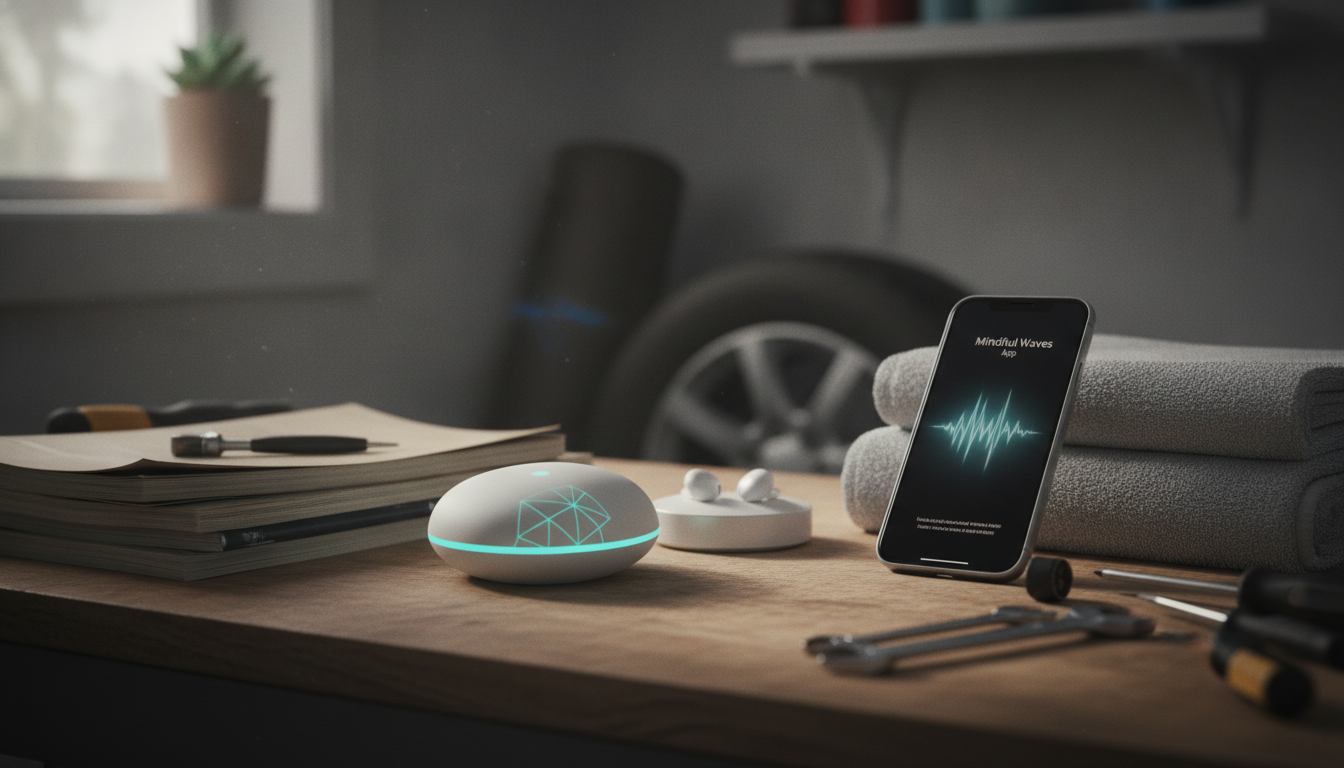
Is AI being used for mindfulness and meditation?
Yes. AI is increasingly used to support mindfulness and meditation through guided sessions, personalization, and feedback that adapts to how someone is feeling or what they’re trying to improve (like stress relief, focus, or sleep). Instead of offering one-size-fits-all tracks, many AI-powered tools tailor timing, tone, and exercises based on user inputs and patterns over time.
How AI shows up in mindfulness tools
AI is commonly used in meditation apps and wearables in a few practical ways:
- Personalized session recommendations: After you log mood, stress level, or sleep quality, AI can suggest a short breathing reset, a longer body scan, or a wind-down track.
- Adaptive pacing and content: Some experiences adjust the length of pauses, the intensity of breathwork, or the style of guidance based on what helps you stay engaged.
- Biofeedback integration: When paired with heart rate, HRV, or sleep data, AI can highlight trends and recommend techniques that fit your recovery and energy levels.
- On-demand coaching: Chat-based companions can help you name what you’re experiencing and choose a quick practice (like a 60-second grounding exercise) without scrolling through menus.
What AI can do well (and what it can’t)
AI can make mindfulness more accessible by lowering friction: faster recommendations, more relevant sessions, and consistent check-ins. It’s also helpful for building a routine, especially when motivation is low or time is tight.
What it can’t replace is professional care when you’re dealing with severe anxiety, trauma, or depression symptoms. AI-guided meditation can be a supportive tool, but it isn’t a diagnosis or a substitute for therapy.
How to get started safely
Look for tools that are transparent about data use, let you opt out of tracking, and provide clear controls (volume, pace, reminders). If a session increases distress, stop, switch to a gentler practice (like simple breath counting), and consider talking to a licensed professional.
For practical ideas you can use right away, see this guide: AI meditation sparks checklist for calm, focus, and sleep.
FAQ
Can AI meditation help with sleep?
It can. AI can suggest wind-down routines based on your habits and timing, and guided practices like body scans or paced breathing may help reduce arousal before bed.















Leave a comment