-
Shop
- Advanced Technologies
- AI Skills Mastery 2026 Collection
- Beauty
- Best-Sellers
- Calvin Klein
- Car Accessories
- Car Buying & Ownership
- Dating & Social Confidence
- Dating & Social Skills
- Denim
- 7FOR
- AGOLDE
- Antony Morato
- Armani Exchange
- Boss
- Brunello Cucinelli
- Calvin Klein Jeans
- Costume National
- Desigual
- Diesel
- Dolce & Gabbana
- Dsquared²
- Ermanno Scervino
- Fendi
- Gianni Lupo
- Guess Jeans
- Ichi
- Just Cavalli
- Lee
- Levi's
- Liu Jo
- Morgan De Toi
- Mother Denim
- Only
- Pepe Jeans
- Pinko
- Replay
- Tommy Hilfiger Jeans
- Valentino
- Vero Moda
- Digital Resources
- Education & Learning
- Family & Parenting
- Fashion
- Alexander McQueen
- Bags & Wallets
- Balenciaga
- Belts
- Bottega Veneta
- Brunello Cucinelli
- Burberry
- Chanel
- Chloé
- Dior
- Dolce & Gabbana
- Etro
- Fendi
- Gucci
- Hats & Hair Accessories
- Jacquemus
- Jewelry
- Jil Sander
- Jimmy Choo
- Keychains
- Kiton
- Miu Miu
- Off-White
- Prada
- Rick Owens
- Saint Laurent
- Shoes
- Socks & Tights
- Sunglasses
- The Row
- Tom Ford
- Valentino
- Valentino Garavani
- Versace
- Vivienne Westwood
- Watches
- Fashion & Style
- Fashion Accessories
- Financial Education
- Find Your Path Collection
- Fitness
- Furniture
- Gadgets
- Health & Beauty
- Health & Wellness
- Home & Garden
- Home & Kitchen
- Home Styling & Organization
- Home Supplies
- Kids & Babies
- Kitchen
- Lighting
- Nike
- Online Business
- Online Business for Beginners
- Parenting
- Patio, Lawn & Garden
- Personal Growth
- Pet Care
- Pet Supplies
- Pets
- Smart Life with IA
- Sport & Outdoors
- Super Deals
- Travel
- Wealth
- Wealth Building
- Wellness
- YouTube Shorts Best-Sellers
- Popular
- Best deals
Plush High-Neck Dog Sweater for Warm Winter Walks
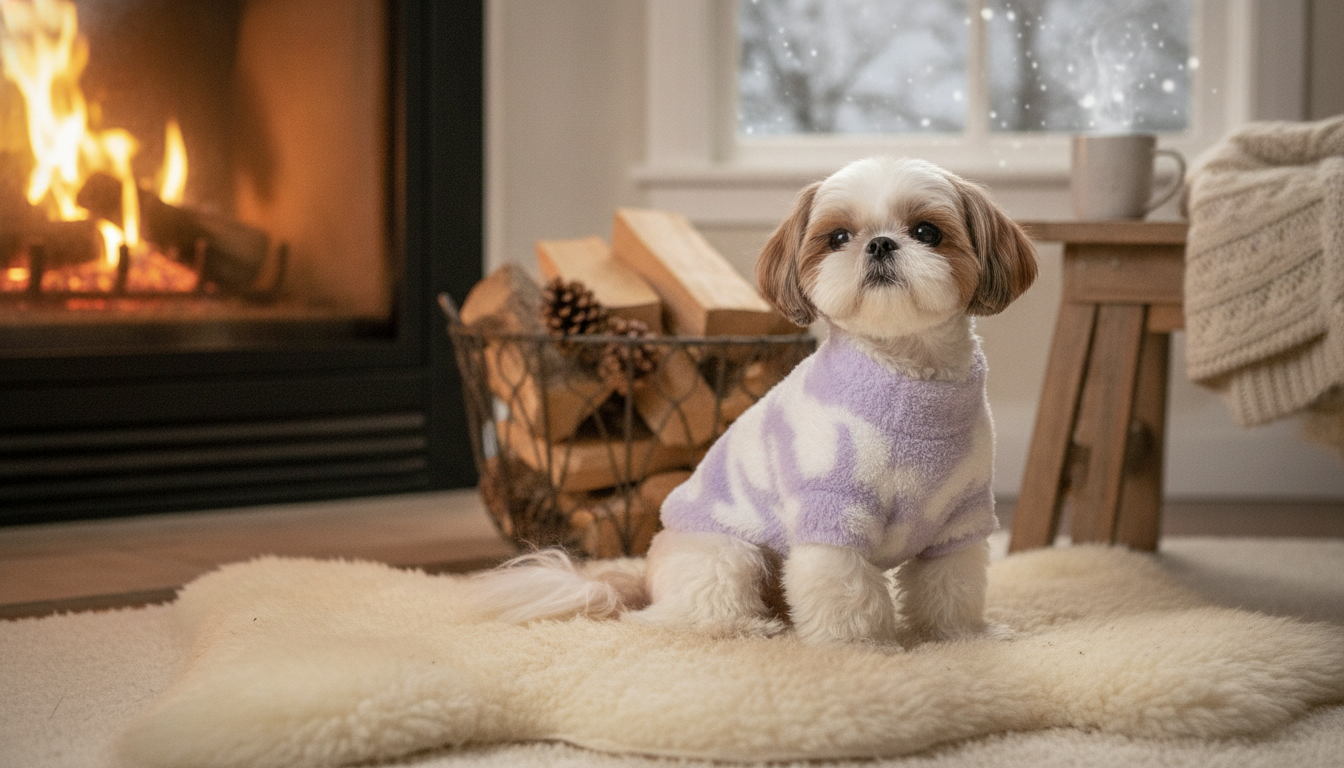
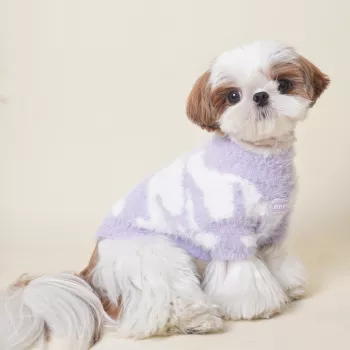
High Neck Plush Winter Dog Sweater: Cozy Warmth for Cold Walks
Cold-weather comfort gets easier when a sweater is warm, soft against the coat, and simple to slip on before heading outside. A plush, high-neck design helps protect the chest and neck area where dogs often lose heat quickly, while still allowing free movement for walks, play, and lounging.
Why a High Neck Sweater Helps in Winter
- Adds coverage around the neck and upper chest—areas that can feel chilly on brisk walks
- Helps reduce cold air drafts under collars and harness straps
- Offers a cozy feel for short-coated, senior, or small-breed dogs that cool down faster
- Supports indoor comfort too, especially on cold floors or in drafty rooms
Cold safety still matters even with warm layers. For seasonal reminders on winter risks (including exposure time and temperature concerns), see guidance from the American Veterinary Medical Association (AVMA) and the ASPCA.
High Neck Plush Winter Dog Sweater: Key Features
The High Neck Plush Winter Dog Sweater is designed for everyday winter wear—comfortable enough for quick potty breaks and cozy enough for longer neighborhood walks when the air turns crisp.
- Plush texture designed for a soft, warm feel
- High neck profile for extra coverage without relying on bulky layers
- Everyday-wear style suited to walks, errands, and indoor lounging
- Pairs well with a coat on extremely cold days as a base layer
For dogs that dislike stiff outerwear, a plush sweater can feel less restrictive while still taking the edge off cold air—especially when the wind hits the front of the chest and neck first.
Sizing and Fit: Getting Comfortable Coverage
A warm sweater only helps if it fits well. Before choosing a size, measure the neck, chest (girth), and back length. Chest measurement matters most because tightness through the ribcage can limit breathing and cause rubbing behind the front legs.
- Measure the neck, chest (girth), and back length before selecting a size
- Aim for a snug-but-not-tight fit: two fingers should slide comfortably between sweater and body in the chest area
- Check leg openings and shoulder area for full stride and easy sitting
- If between sizes, choose based on chest measurement first to avoid restricted breathing or rubbing
Fit Check Before the First Walk
| Checkpoint | What to look for | Quick fix |
|---|---|---|
| Neck | High neck sits comfortably without pressing the throat | Fold down the neck or size up if breathing seems restricted |
| Chest | Snug fit with room to inhale and move freely | Prioritize chest size; avoid tightness behind front legs |
| Back length | Covers the back without bunching near the tail | Adjust size to reduce bunching and improve warmth |
| Movement | Normal walk, sit, and stretch without pinching | Re-check shoulder/leg openings if gait changes |
| Harness/collar | No excessive rubbing where straps sit | Use smooth straps; consider a base layer on long outings |
Comfort and Safety Tips for Cold-Weather Wear
- Introduce the sweater indoors first so the dog can adjust calmly
- Check for rubbing at the armpits, chest, and neck after the first 10–15 minutes
- Remove promptly if damp; wet fabric can chill the body in cold air
- Avoid leaving clothing on unattended dogs that may chew fabric or get caught on household items
If your dog is new to winter clothing, start with short sessions and reward relaxed behavior. A comfortable high neck should feel cozy—not confining—so watch for signs like pawing at the neck area or unusually stiff movement.
Care and Maintenance for Plush Fabrics
- Follow garment care instructions; gentle washing helps preserve softness
- Air-dry when possible to maintain loft and reduce shrink risk
- Brush off debris after outdoor use to keep the plush surface clean
- Store fully dry to prevent odor buildup
Winter sidewalks can track in grit and salt residue. If the sweater picks up debris around the belly or chest, a quick spot-clean between washes can help keep the plush feeling fresh without over-washing.
When a Sweater Is Enough—and When a Coat Is Better
- A plush sweater can be ideal for cool, dry days or indoor warmth
- Add a weather-resistant coat for wind, sleet, or extended time outdoors
- Short-haired dogs and seniors may benefit from layering sooner
- Monitor body language: shivering, tucked tail, or reluctance to walk can signal the need for more warmth
For quick walks in dry conditions, a sweater can deliver comfortable coverage without the stiffness of a heavier jacket. When conditions turn wet or windy, layering a coat over a sweater helps block weather while the plush layer helps hold warmth closer to the body.
Product Details at a Glance
- Name: High Neck Plush Winter Dog Sweater
- Price: $27.82
- Availability: In stock
- Best for: Cozy neck coverage and everyday winter comfort
More In-Stock Picks
- Losing Body Fat Percentage eBook | Complete Guide on how to lose body fat percentage, Nutrition, Workouts & Lifestyle Strategies for Sustainable Fat Loss
- Helping Teens Build Healthy Connections in a Digital World – eBook Guide on how to help teens build healthy friendships, Teen Communication & Social Skills Resource
FAQ
How tight should a dog sweater fit?
A dog sweater should fit snugly without restricting breathing or movement. A good rule is being able to slide two fingers comfortably between the sweater and your dog’s chest, then confirm your dog can walk, sit, and stretch normally without rubbing.
Can a dog wear a high neck sweater with a collar or harness?
Yes, in most cases. Make sure the sweater doesn’t bunch under straps and that the high neck doesn’t press on the throat; after a short walk, check for friction at the neck and chest and adjust fit if needed.
How often should a winter dog sweater be washed?
Wash as needed based on odor or visible dirt, and more often during wet or salty conditions. Use a gentle wash approach when possible and dry fully before the next wear or storage to keep the plush fabric comfortable.













Leave a comment