-
Shop
- Advanced Technologies
- AI Skills Mastery 2026 Collection
- Best-Sellers
- Calvin Klein
- Car Accessories
- Car Buying & Ownership
- Dating & Social Skills
- Denim
- 7FOR
- AGOLDE
- Antony Morato
- Armani Exchange
- Boss
- Brunello Cucinelli
- Calvin Klein Jeans
- Costume National
- Desigual
- Diesel
- Dolce & Gabbana
- Dsquared²
- Ermanno Scervino
- Fendi
- Gianni Lupo
- Guess Jeans
- Ichi
- Just Cavalli
- Lee
- Levi's
- Liu Jo
- Morgan De Toi
- Mother Denim
- Only
- Pepe Jeans
- Pinko
- Replay
- Tommy Hilfiger Jeans
- Valentino
- Vero Moda
- Digital Resources
- Education & Learning
- Family & Parenting
- Fashion
- Alexander McQueen
- Bags & Wallets
- Balenciaga
- Belts
- Bottega Veneta
- Brunello Cucinelli
- Burberry
- Chanel
- Chloé
- Dior
- Dolce & Gabbana
- Etro
- Fendi
- Gucci
- Hats & Hair Accessories
- Jacquemus
- Jewelry
- Jil Sander
- Jimmy Choo
- Keychains
- Kiton
- Miu Miu
- Off-White
- Prada
- Rick Owens
- Saint Laurent
- Shoes
- Socks & Tights
- Sunglasses
- The Row
- Tom Ford
- Valentino
- Valentino Garavani
- Versace
- Vivienne Westwood
- Watches
- Fashion & Style
- Fashion Accessories
- Financial Education
- Find Your Path Collection
- Fitness
- Furniture
- Gadgets
- Health & Beauty
- Health & Wellness
- Home & Garden
- Home & Kitchen
- Home Styling & Organization
- Home Supplies
- Kids & Babies
- Kitchen
- Lighting
- Nike
- Online Business
- Online Business for Beginners
- Parenting
- Patio, Lawn & Garden
- Personal Growth
- Pet Care
- Pet Supplies
- Pets
- Smart Life with IA
- Sport & Outdoors
- Super Deals
- Travel
- Wealth
- Wealth Building
- Wellness
- YouTube Shorts Best-Sellers
- Popular
- Best deals
Breathable Summer Vest for Small Dogs & Cats
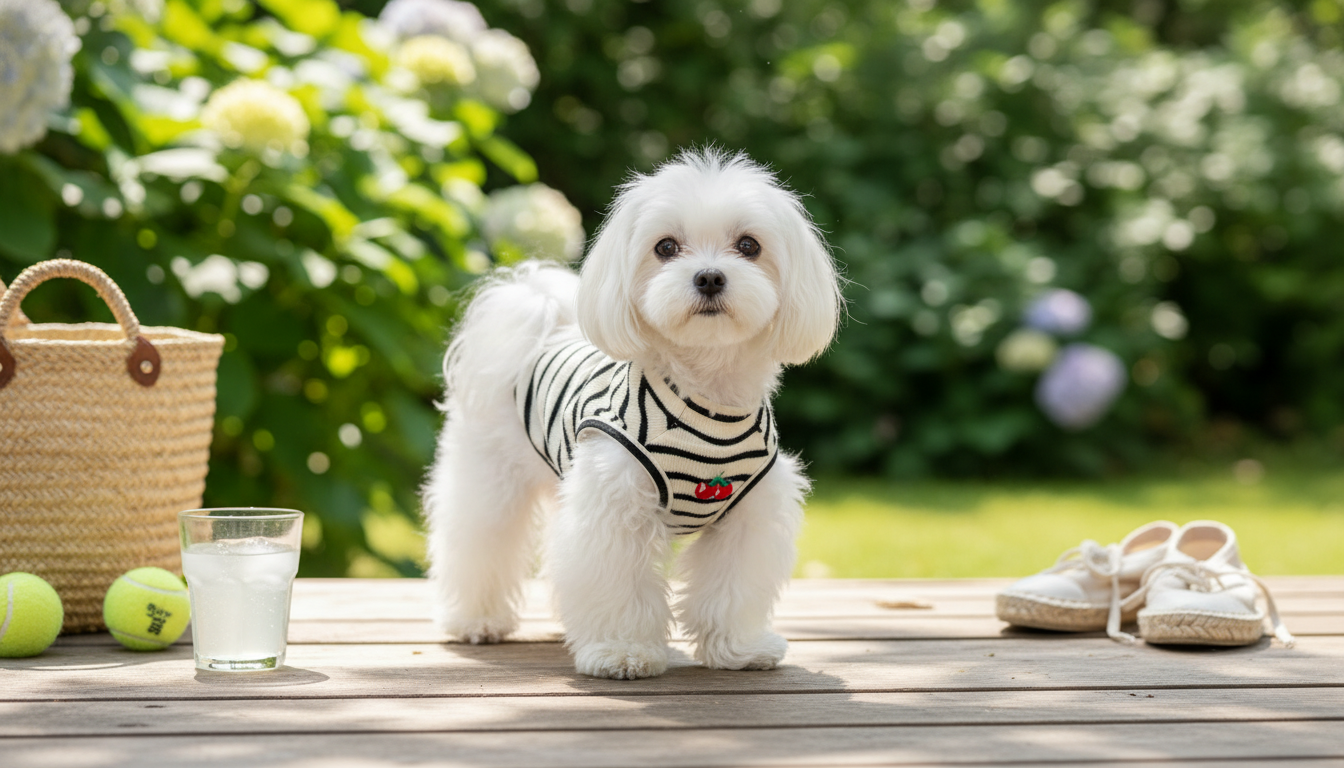
Lightweight Summer Comfort for Small Pets
Warm-weather walks, car rides, and patio time can be uncomfortable for small pets that heat up quickly. A breathable vest adds a light layer of comfort and control without weighing them down, making daily outings feel easier for both pets and owners. The goal isn’t to “bundle up” in summer—it’s to choose an airy, low-bulk option that feels almost unnoticeable while helping protect sensitive areas and keeping gear from shifting during movement.
Why a Summer Vest Helps in Hot Weather
Small dogs and cats often feel the heat faster, especially on bright days or in humid climates. A lightweight vest can be a practical middle ground between going without gear and using heavier harnesses that trap warmth.
- Adds a breathable layer that can reduce direct sun exposure on the coat and skin during short outdoor trips
- Helps keep harness pressure and rubbing off delicate areas when the fabric is soft and lightweight
- Provides a simple way to add visibility and a “handled” feel when moving through crowds, lobbies, or pet-friendly stores
- Supports calmer movement for pets that dislike bulky gear or stiff straps in warm conditions
For broader hot-weather safety guidance, consult reputable veterinary resources like the ASPCA hot weather safety tips and the AVMA guidance on keeping pets safe in heat.
Key Features to Look For in a Lightweight Pet Vest
Not all vests feel the same in summer. Prioritize materials and construction that support airflow, reduce friction, and stay comfortable during short outings.
- Breathable fabric: mesh or airy weaves that allow airflow and dry quickly after sweat or light splashes
- Low-bulk construction: thin seams and flexible panels to avoid trapping heat around the chest and belly
- Comfortable contact points: smooth edges around the neck and arm openings to reduce chafing
- Easy on/off: closures that are quick to secure while still feeling stable once fitted
- Everyday practicality: a vest that is easy to clean, pack, and store for travel days
A good summer vest should feel like a light layer rather than equipment. If your pet freezes, scratches, or “bunny hops” to avoid shoulder movement, the fit or design may be too restrictive for warm-weather use.
Getting the Fit Right for Small Dogs and Cats
Fit is where comfort and safety meet—especially for tiny dogs and cats who can slip gear more easily. Take measurements when your pet is calm and standing naturally. A soft measuring tape works best; if you don’t have one, use a string and compare it to a ruler.
Quick Sizing Checklist (Use Measurements From Your Pet)
| Pet type/size | Chest girth | Neck | Fit goal | Notes |
|---|---|---|---|---|
| Small dog (toy breeds) | Measure behind front legs | Measure at collar line | Snug, flexible | Avoid armpit rubbing; watch shoulder reach |
| Small dog (compact builds) | Measure widest chest point | Measure at collar line | Secure, not tight | Confirm closure sits flat and doesn’t twist |
| Cat (adult) | Measure behind front legs | Measure at collar line | Escape-resistant comfort | Confirm no gaping at neck; test gentle backward pressure |
| Kitten/senior cat | Measure carefully; re-check often | Measure carefully | Light support | Prioritize soft edges and minimal bulk |
When to Use a Summer Vest (and When to Skip It)
If you suspect heat illness, move to shade/AC and contact a veterinarian promptly. For a detailed overview of heatstroke risk and symptoms, see Cornell University’s heatstroke information.
Care and Maintenance for Breathable Vests
Product Spotlight: Lightweight Summer Pet Vest for Small Dogs & Cats
If you’re looking for a warm-weather option designed with smaller bodies in mind, the Lightweight Summer Pet Vest for Small Dogs & Cats is a practical pick for daily walks, travel, and quick outdoor breaks when heavy gear feels like too much. Best results come from careful measuring and a fit check after the first few wears—especially for cats and extra-wiggly toy breeds.
For summer routines that include travel days and longer schedules, a couple of easy add-ons for your own prep time are available as digital downloads: Losing Body Fat Percentage eBook | Complete Guide on how to lose body fat percentage, Nutrition, Workouts & Lifestyle Strategies for Sustainable Fat Loss and Your Go-To Ingredients for Dry, Damaged Hair – Ultimate Checklist of Ingredients for Dry Damaged Hair, Hair Repair Guide, Healthy Hair Care Digital Download.
Simple Heat-Smart Routine for Outings
FAQ
How do you measure a dog or cat for a vest?
Measure chest girth at the widest point just behind the front legs, then measure the neck where a collar would sit. Chest girth is usually the deciding measurement for vest sizing; after fitting, do a quick two-finger check at the chest to confirm it’s snug but comfortable.
Can a pet wear a vest in hot weather safely?
A breathable, lightweight vest can be safe for short outings, but comfort depends on temperature, humidity, and activity level. Remove the vest and move to a cooler area if you notice heavy panting, drooling, bright red gums, weakness, confusion, or your pet refusing to move.
How tight should a summer pet vest be?
Use the two-finger rule at the chest: you should be able to slide two fingers under the vest without forcing them. Make sure there’s clearance at the armpits and your pet can move shoulders freely; for cats, also confirm they can’t back out by gently testing for escape with light backward pressure.














Leave a comment