-
Shop
- Advanced Technologies
- AI Skills Mastery 2026 Collection
- Beauty
- Best-Sellers
- Calvin Klein
- Car Accessories
- Car Buying & Ownership
- Dating & Social Confidence
- Dating & Social Skills
- Denim
- 7FOR
- AGOLDE
- Antony Morato
- Armani Exchange
- Boss
- Brunello Cucinelli
- Calvin Klein Jeans
- Costume National
- Desigual
- Diesel
- Dolce & Gabbana
- Dsquared²
- Ermanno Scervino
- Fendi
- Gianni Lupo
- Guess Jeans
- Ichi
- Just Cavalli
- Lee
- Levi's
- Liu Jo
- Morgan De Toi
- Mother Denim
- Only
- Pepe Jeans
- Pinko
- Replay
- Tommy Hilfiger Jeans
- Valentino
- Vero Moda
- Digital Resources
- Education & Learning
- Family & Parenting
- Fashion
- Alexander McQueen
- Bags & Wallets
- Balenciaga
- Belts
- Bottega Veneta
- Brunello Cucinelli
- Burberry
- Chanel
- Chloé
- Dior
- Dolce & Gabbana
- Etro
- Fendi
- Gucci
- Hats & Hair Accessories
- Jacquemus
- Jewelry
- Jil Sander
- Jimmy Choo
- Keychains
- Kiton
- Miu Miu
- Off-White
- Prada
- Rick Owens
- Saint Laurent
- Shoes
- Socks & Tights
- Sunglasses
- The Row
- Tom Ford
- Valentino
- Valentino Garavani
- Versace
- Vivienne Westwood
- Watches
- Fashion & Style
- Fashion Accessories
- Financial Education
- Find Your Path Collection
- Fitness
- Furniture
- Gadgets
- Health & Beauty
- Health & Wellness
- Home & Garden
- Home & Kitchen
- Home Styling & Organization
- Home Supplies
- Kids & Babies
- Kitchen
- Lighting
- Nike
- Online Business
- Online Business for Beginners
- Parenting
- Patio, Lawn & Garden
- Personal Growth
- Pet Care
- Pet Supplies
- Pets
- Smart Life with IA
- Sport & Outdoors
- Super Deals
- Travel
- Wealth
- Wealth Building
- Wellness
- YouTube Shorts Best-Sellers
- Popular
- Best deals
Lose Body Fat Percentage: Nutrition, Training & Habits
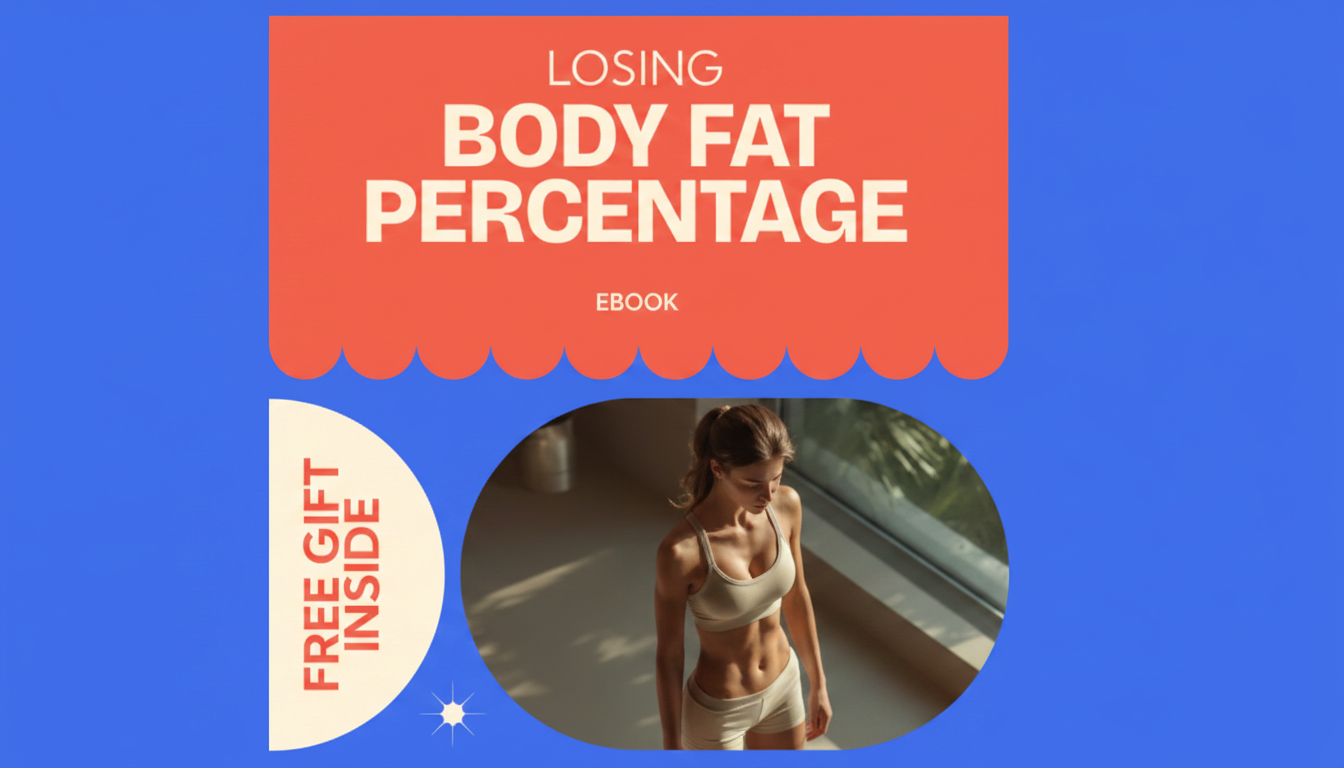
Losing Body Fat Percentage: A Practical Guide to Nutrition, Workouts, and Lifestyle for Sustainable Fat Loss
Lowering body fat percentage is less about chasing a scale number and more about building repeatable habits: a realistic calorie deficit, strength-focused training, enough protein, and recovery that supports consistency. The goal is steady progress that preserves muscle, improves performance, and feels livable week to week.
What “body fat percentage” means (and why it changes differently than body weight)
Body fat percentage is the ratio of fat mass to total body mass. That matters because body composition can improve even when scale weight moves slowly—especially if you maintain (or gain) muscle while losing fat.
A smaller, sustainable weekly deficit often beats an aggressive cut. Extreme restriction can increase the risk of muscle loss, poor training performance, and rebound eating that wipes out progress.
Daily scale changes can be misleading. Water retention shifts with sodium intake, carbohydrate (glycogen) levels, hard workouts, stress, sleep, and menstrual cycle changes. Instead of reacting to single weigh-ins, look at trends over time.
Useful progress signals beyond the scale include waist/hip measurements, progress photos, strength performance, energy and mood, sleep quality, and how clothing fits.
How to measure progress without getting misled
Pick one primary method and one backup method to reduce noise—like a weekly waist measurement plus a weekly average body weight. This helps confirm whether you’re truly leaning out when the scale fluctuates.
Body composition tools vary in accuracy and consistency. DEXA can be helpful for periodic checkpoints, while tape measurements and photos often win for practicality and repeatability.
| Method | Pros | Limitations | Best Use |
|---|---|---|---|
| Tape measurements | Cheap, repeatable, shows body recomposition | Technique matters; not a direct % | Weekly waist/hip tracking |
| Scale trend (weekly average) | Simple, highlights direction over time | Water weight can obscure changes | Daily weigh-ins averaged weekly |
| BIA smart scale | Easy, gives a rough estimate | Hydration and timing affect results | Monthly check alongside measurements |
| DEXA scan | More detailed body composition estimate | Cost, access, still has variability | Every 3–6 months for checkpoints |
| Progress photos | Visual proof of changes | Lighting/pose variability | Every 2–4 weeks, same conditions |
A reasonable target rate for many people is roughly 0.5–1.0% of body weight per week. If you’re already lean, highly active, or dieting for a long time, slower can be more sustainable.
Nutrition strategy: the fat-loss “big rocks” that drive results
1) Build a modest calorie deficit you can repeat
Fat loss requires a calorie deficit, but the “best” method is the one you can maintain. Some people prefer tracking; others do better with consistent meal templates (protein + produce + portioned carbs/fats) or using smaller plates and pre-portioned snacks.
2) Prioritize protein at each meal
Protein supports satiety and helps preserve lean mass while dieting. A commonly used evidence-based range is about 1.6–2.2 g/kg/day, adjusted for preferences and tolerances. For a deeper dive, the ISSN Position Stand on Protein and Exercise is a solid reference.
3) Use fiber and food volume to stay full
Vegetables, fruit, legumes, and whole grains make meals more filling for fewer calories. If hunger is a constant battle, increase produce at lunch and dinner and keep a high-protein snack ready (Greek yogurt, cottage cheese, jerky, protein shake).
4) Keep “invisible calories” on your radar
5) Alcohol: plan it, don’t wing it
For general nutrition patterns and portion guidance, the Dietary Guidelines for Americans can help you build a balanced baseline.
Workouts that protect muscle while reducing body fat percentage
Daily activity (NEAT) often matters more than dedicated cardio. Steps, errands, standing breaks, and active hobbies raise energy expenditure without frying your recovery. For activity benchmarks, the Physical Activity Guidelines for Americans provide clear weekly targets.
A simple weekly framework to make progress feel automatic
| Day | Training Focus | Activity Target | Nutrition Focus |
|---|---|---|---|
| Mon | Strength A (full body) | Step goal | Protein at each meal + high-fiber dinner |
| Tue | Low-intensity cardio (20–40 min) | Step goal | Balanced carbs around activity |
| Wed | Strength B (full body) | Step goal | Track/portion snacks and oils |
| Thu | Rest or mobility | Step goal | Extra vegetables + hydration |
| Fri | Strength C (optional) or cardio | Step goal | Higher-protein day |
| Sat | Active hobby (walk, hike, sport) | Flexible | Planned treat portion |
| Sun | Rest + meal prep | Light walk | Prep proteins + ready-to-eat produce |
Lifestyle levers: sleep, stress, and habits that keep fat loss sustainable
Common plateaus and how to troubleshoot them
When an organized guide helps: turning strategies into a step-by-step plan
For a consolidated approach, consider the Losing Body Fat Percentage eBook as a ready-to-follow roadmap.
And if you’re building a broader self-care routine that supports consistency (sleep, recovery, confidence), the Your Go-To Ingredients for Dry, Damaged Hair checklist can be a quick, practical add-on for low-effort personal upkeep.
FAQ
How long does it take to noticeably reduce body fat percentage?
Many people notice changes in measurements and photos within 4–8 weeks when they’re consistent. Larger, more obvious changes often take several months, depending on your starting point and how aggressive (but sustainable) your deficit is.
Do workouts matter if nutrition is on point?
Nutrition drives the calorie deficit, but resistance training helps preserve muscle and improves how your physique looks as you lose fat. Cardio and daily steps add energy expenditure and improve health, making the whole process easier to sustain.
Why is my weight not changing even though I’m leaning out?
You may be recomping (losing fat while gaining/maintaining muscle), or holding extra water from training stress, higher sodium, more carbs (glycogen), or cycle-related fluctuations. Measurements, photos, and strength trends can improve even when the scale temporarily stalls.
Recommended for you
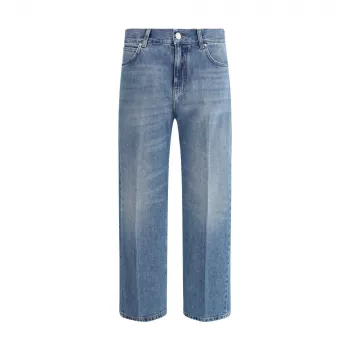
Capri Pants Names Today: Crops, Kick Crops & More
May 27, 2026













Leave a comment