-
Shop
- Advanced Technologies
- AI Skills Mastery 2026 Collection
- Beauty
- Best-Sellers
- Calvin Klein
- Car Accessories
- Car Buying & Ownership
- Dating & Social Confidence
- Dating & Social Skills
- Denim
- 7FOR
- AGOLDE
- Antony Morato
- Armani Exchange
- Boss
- Brunello Cucinelli
- Calvin Klein Jeans
- Costume National
- Desigual
- Diesel
- Dolce & Gabbana
- Dsquared²
- Ermanno Scervino
- Fendi
- Gianni Lupo
- Guess Jeans
- Ichi
- Just Cavalli
- Lee
- Levi's
- Liu Jo
- Morgan De Toi
- Mother Denim
- Only
- Pepe Jeans
- Pinko
- Replay
- Tommy Hilfiger Jeans
- Valentino
- Vero Moda
- Digital Resources
- Education & Learning
- Family & Parenting
- Fashion
- Alexander McQueen
- Bags & Wallets
- Balenciaga
- Belts
- Bottega Veneta
- Brunello Cucinelli
- Burberry
- Chanel
- Chloé
- Dior
- Dolce & Gabbana
- Etro
- Fendi
- Gucci
- Hats & Hair Accessories
- Jacquemus
- Jewelry
- Jil Sander
- Jimmy Choo
- Keychains
- Kiton
- Miu Miu
- Off-White
- Prada
- Rick Owens
- Saint Laurent
- Shoes
- Socks & Tights
- Sunglasses
- The Row
- Tom Ford
- Valentino
- Valentino Garavani
- Versace
- Vivienne Westwood
- Watches
- Fashion & Style
- Fashion Accessories
- Financial Education
- Find Your Path Collection
- Fitness
- Furniture
- Gadgets
- Health & Beauty
- Health & Wellness
- Home & Garden
- Home & Kitchen
- Home Styling & Organization
- Home Supplies
- Kids & Babies
- Kitchen
- Lighting
- Nike
- Online Business
- Online Business for Beginners
- Parenting
- Patio, Lawn & Garden
- Personal Growth
- Pet Care
- Pet Supplies
- Pets
- Smart Life with IA
- Sport & Outdoors
- Super Deals
- Travel
- Wealth
- Wealth Building
- Wellness
- YouTube Shorts Best-Sellers
- Popular
- Best deals
Indoor Plant Placement: Light, Distance & Room Checklist
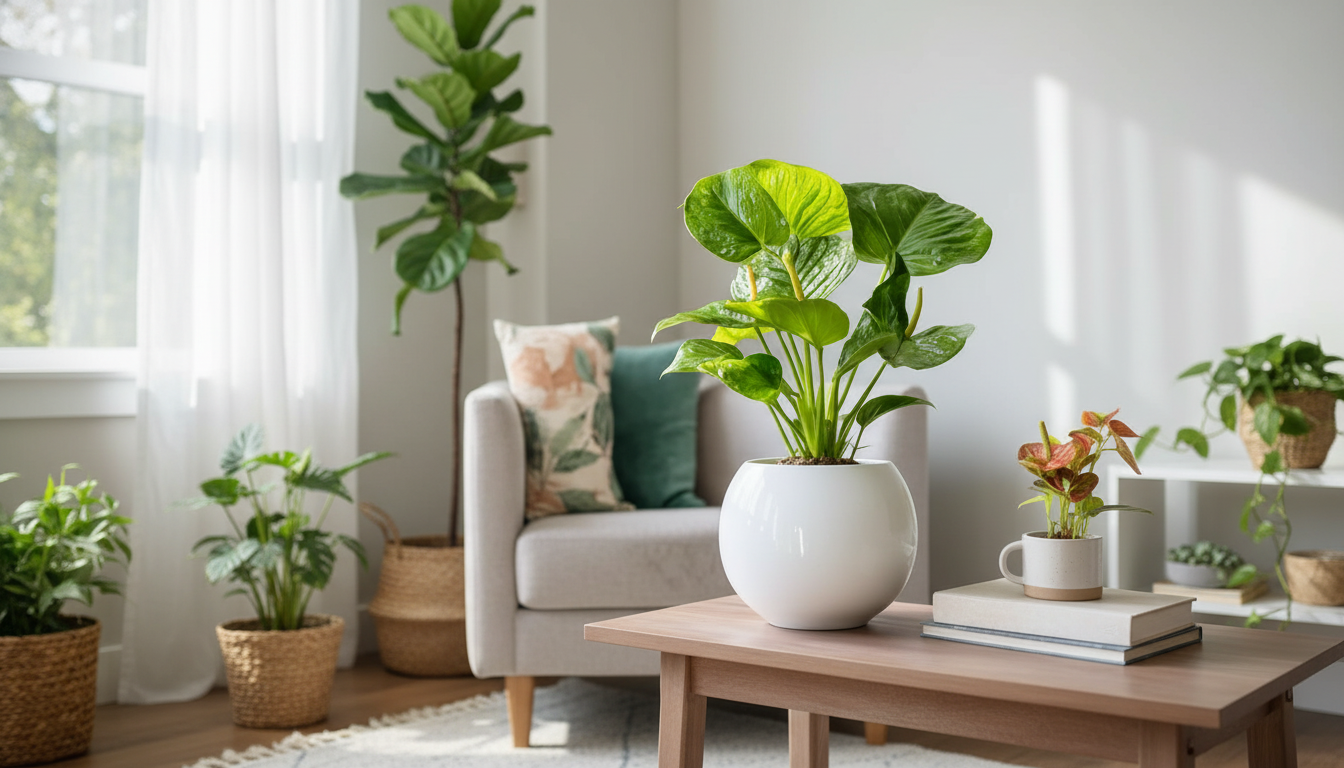
Find the Best Spots for Your Indoor Plants: An Easy Home Plant Placement Checklist
Healthy indoor plants come down to matching each plant to the light, temperature, and humidity of a specific spot—not guessing. A quick checklist approach helps map the brightest and dimmest areas of your home, avoid common placement mistakes, and set plants up for steady growth with less troubleshooting. If you like having a simple reference on hand, the Easy Home Plant Placement Checklist is a handy way to keep your “best spots” notes in one place as seasons change.
Start with a quick “microclimate” scan of the room
Before you move a single pot, do a fast scan of the room. The goal is to identify mini-zones where conditions shift more than you’d expect.
- Check light direction: South- and west-facing windows usually deliver the strongest light; north-facing is typically gentler and dimmer.
- Look for light blockers: Deep overhangs, tinted film, nearby buildings, trees, heavy curtains, and interior walls can cut light dramatically.
- Identify heat/cold zones: Radiators, baseboard heaters, fireplaces, drafty windows, and exterior doors create stress pockets.
- Note airflow patterns: HVAC vents and ceiling fans can dry foliage and soil faster than expected.
- Decide on “plant-safe” surfaces: Use stable stands, trays, and drip protection for wood or stone to prevent water rings and stains.
If you want a deeper, science-based overview of indoor light and what plants actually “see,” the University of Georgia Extension’s guide on Light for Houseplants is a strong reference point.
Light-by-distance guide: where plants tend to thrive
Distance from a window is one of the simplest placement rules that holds up in most homes. It’s not perfect—window direction and obstructions matter—but it’s an easy starting framework.
- Bright light: Right in a sunny window or very close to it; ideal for sun-lovers and many flowering plants.
- Medium light: A few feet back from a bright window or near a window with filtered light; suits many common foliage plants.
- Low light: Far from windows or in rooms with small windows; choose tolerant plants and slow down watering.
- Rotate plants regularly: Turn pots every week or two so growth stays balanced toward the window.
- Use a simple test: If a spot is comfortable to read in without turning on lights, it’s usually at least medium light during the day.
Quick placement guide by distance from a window
| Spot | Typical light level | Best for | Common mistake to avoid |
|---|---|---|---|
| Windowsill (unshaded) | Bright | Succulents, cacti, many flowering plants | Leaf scorch from hot afternoon sun without acclimation |
| 1–3 ft (0.3–1 m) from window | Bright to medium | Pothos, philodendron, many begonias | Letting tall furniture block light |
| 3–6 ft (1–2 m) from bright window | Medium | ZZ plant, snake plant, some ferns | Overwatering because growth is slower |
| 6+ ft (2+ m) from window | Low | Only truly low-light tolerant plants | Expecting fast growth or frequent new leaves |
Room-by-room placement ideas that actually work
Once you’ve identified your “light lanes” (bright near windows, medium a few feet back, low deeper in the room), place plants based on how each room behaves day to day.
Living room
- Place larger plants near the brightest window, then step them back slightly if the afternoon sun is intense.
- Keep foliage and soil out of the direct blast of heater vents to prevent crispy tips and rapid drying.
Kitchen
- Bright counters can be excellent for herbs and compact foliage plants, especially near a window.
- Keep plants away from stovetop heat and cooking grease; a little distance reduces leaf residue and stress.
- Use trays so watering and cleanup are easy.
Bedroom
- Choose calmer, low-maintenance plants that don’t demand constant repositioning.
- Avoid spots right under strong airflow from AC or heat—nighttime blasts can dry plants surprisingly fast.
Bathroom
Home office
For broader, plant-by-plant guidance on typical indoor conditions, the Royal Horticultural Society’s houseplant care guides can help you match a species to a room before you buy.
Humidity, airflow, and temperature: the hidden placement rules
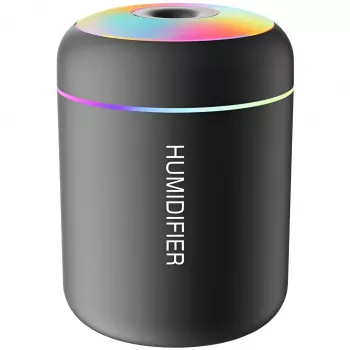
If you need a compact option for desks, nightstands, or plant shelves, the Mini USB Aroma Humidifier & Essential Oil Diffuser with Soft LED Light can help smooth out dry-air spikes near your plants (especially in heated rooms).
A simple placement checklist for any plant
For anyone who likes a printable, repeatable routine, keep your notes (window direction, distance, and seasonal tweaks) together using the Easy Home Plant Placement Checklist, especially if you regularly move plants around for holidays, guests, or redecorating.
Common placement mistakes and quick fixes
Plant placement is also tied to indoor air quality and how plants perform indoors long-term. For a classic reference on indoor plants and environmental conditions, see NASA’s report: Interior Landscape Plants for Indoor Air Pollution Abatement.
FAQ
How close should indoor plants be to a window?
As a starting point, use zones: windowsill for bright light, 1–3 ft for bright-to-medium, 3–6 ft for medium, and 6+ ft for low light. Window direction, screens, and obstructions can change results, so adjust based on signs like stretching (move closer) or scorching (move farther back or add a sheer).
Can plants survive in a room with no natural light?
Most houseplants won’t thrive with zero natural light, even if they tolerate “low light.” A grow light is the reliable solution, and watering should be less frequent than in brighter rooms because soil dries more slowly.
What’s the best place for plants in winter?
Winter usually calls for brighter positions because days are shorter, but keep plants away from cold drafts and avoid leaves touching cold window glass. Also protect them from heater blasts, and consider adding humidity for tropical plants in heated homes.










Leave a comment