-
Shop
- Advanced Technologies
- AI Skills Mastery 2026 Collection
- Beauty
- Best-Sellers
- Calvin Klein
- Car Accessories
- Car Buying & Ownership
- Dating & Social Confidence
- Dating & Social Skills
- Denim
- 7FOR
- AGOLDE
- Antony Morato
- Armani Exchange
- Boss
- Brunello Cucinelli
- Calvin Klein Jeans
- Costume National
- Desigual
- Diesel
- Dolce & Gabbana
- Dsquared²
- Ermanno Scervino
- Fendi
- Gianni Lupo
- Guess Jeans
- Ichi
- Just Cavalli
- Lee
- Levi's
- Liu Jo
- Morgan De Toi
- Mother Denim
- Only
- Pepe Jeans
- Pinko
- Replay
- Tommy Hilfiger Jeans
- Valentino
- Vero Moda
- Digital Resources
- Education & Learning
- Family & Parenting
- Fashion
- Alexander McQueen
- Bags & Wallets
- Balenciaga
- Belts
- Bottega Veneta
- Brunello Cucinelli
- Burberry
- Chanel
- Chloé
- Dior
- Dolce & Gabbana
- Etro
- Fendi
- Gucci
- Hats & Hair Accessories
- Jacquemus
- Jewelry
- Jil Sander
- Jimmy Choo
- Keychains
- Kiton
- Miu Miu
- Off-White
- Prada
- Rick Owens
- Saint Laurent
- Shoes
- Socks & Tights
- Sunglasses
- The Row
- Tom Ford
- Valentino
- Valentino Garavani
- Versace
- Vivienne Westwood
- Watches
- Fashion & Style
- Fashion Accessories
- Financial Education
- Find Your Path Collection
- Fitness
- Furniture
- Gadgets
- Health & Beauty
- Health & Wellness
- Home & Garden
- Home & Kitchen
- Home Styling & Organization
- Home Supplies
- Kids & Babies
- Kitchen
- Lighting
- Nike
- Online Business
- Online Business for Beginners
- Parenting
- Patio, Lawn & Garden
- Personal Growth
- Pet Care
- Pet Supplies
- Pets
- Smart Life with IA
- Sport & Outdoors
- Super Deals
- Travel
- Wealth
- Wealth Building
- Wellness
- YouTube Shorts Best-Sellers
- Popular
- Best deals
Beginner Feel-Good Fitness Checklist: Simple Weekly Plan
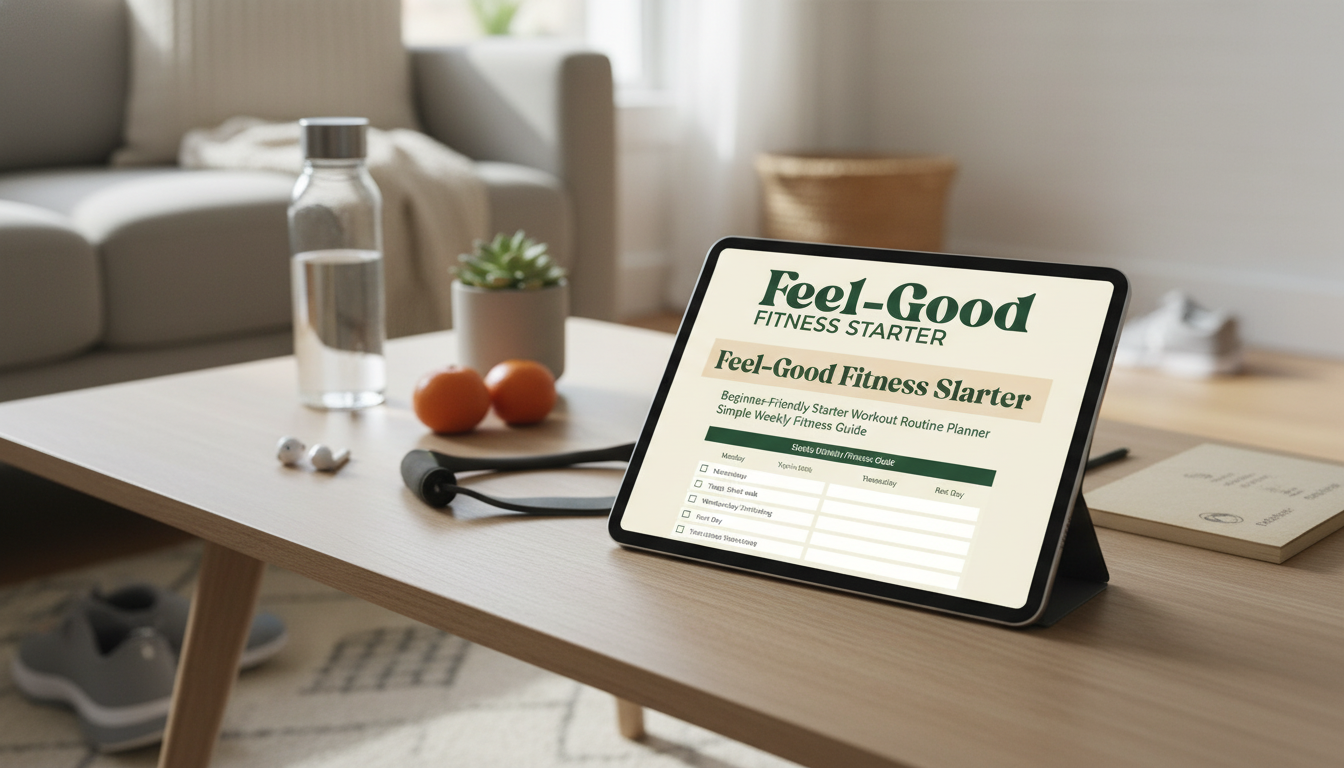
The Feel-Good Fitness Starter Checklist: A Beginner-Friendly Weekly Plan That Stays Simple
Starting a fitness routine can feel overwhelming when every plan looks intense, complicated, or time-consuming. A checklist-based approach keeps things light, repeatable, and realistic: pick a few small actions, schedule them into a simple week, and track wins without turning workouts into a second job. This guide lays out a no-stress weekly structure, what to include on a starter checklist, and how to adapt it to your energy, time, and experience.
What “feel-good” fitness means for beginners
“Feel-good” fitness is about leaving a session feeling more capable than when you started. That usually means consistency over intensity: short sessions done regularly beat sporadic all-out efforts. It also means using simple movement patterns—squat, hinge, push, pull, carry, and walk—so your week stays balanced without complicated programming.
Recovery counts as part of the plan, not a bonus. Sleep, hydration, and quick mobility work can make your workouts feel easier within days. And the fewer decisions you have to make, the more likely you are to follow through—so a small menu of repeatable workouts is a feature, not a limitation.
If you want a ready-made format you can print or save, The Feel-Good Fitness Starter Checklist – Beginner-Friendly Starter Workout Routine Planner is designed to keep planning and tracking simple.
Starter checklist essentials (what to set up once)
Before you “start Monday,” set up a few basics one time. The goal is to reduce friction so the week runs on autopilot.
- Time anchors: choose 2–4 weekly time slots that are genuinely realistic (before work, lunch break, after dinner).
- Movement baseline: note what feels comfortable today (walking pace, chair squat ability, plank time).
- Space and gear: clear floor space, supportive shoes, water bottle; optional light dumbbells or a resistance band.
- Safety notes: effort feels challenging; sharp or worsening pain is a stop signal. Modify range of motion as needed.
- Tracking method: simple checkboxes for sessions plus a quick energy/mood rating (1–5).
Quick setup checklist
| Item | Keep it simple | Example |
|---|---|---|
| Weekly schedule | Pick fixed days first | Mon/Wed/Fri + Sat walk |
| Session length | Start small | 15–25 minutes |
| Workout menu | 2 strength options + 1 cardio option | A/B strength + brisk walk |
| Recovery habit | One non-negotiable | 8k steps OR 7+ hours sleep goal |
| Tracking | Checkbox + short note | “Done” + mood 1–5 |
A simple weekly fitness guide (no-stress template)
A beginner-friendly week usually works best with 3–4 movement days: two strength sessions and one or two easy cardio/active days. Keep early cardio conversational—you should be able to speak in sentences while moving.
The secret weapon is the “minimum viable workout.” On low-energy days, 5–10 minutes still counts. That protects consistency and keeps the habit alive even when life gets busy.
Beginner-friendly weekly planner
| Day | Focus | Main plan (15–25 min) | Minimum option (5–10 min) |
|---|---|---|---|
| Mon | Strength A | Full-body circuit (2 rounds) | 1 round only |
| Tue | Easy movement | Walk + light stretch | 5-minute walk |
| Wed | Strength B | Full-body circuit (2 rounds) | Pick 2 exercises |
| Thu | Rest / mobility | Gentle mobility flow | 2-minute mobility |
| Fri | Easy movement | Brisk walk or bike | Walk around the block |
| Sat | Optional bonus | Fun activity (hike, dance, swim) | 10-minute playful movement |
| Sun | Rest | Rest and reset schedule | Plan next week |
Starter workout routine planner: two rotating strength sessions
Rotate two simple full-body sessions to keep decision-making low while still building balanced strength.
Strength A (lower + push + core)
- Chair or bodyweight squats
- Incline push-ups (hands on a counter or sturdy surface)
- Dead bug
- Glute bridge
Strength B (hinge + pull + carry)
- Hip hinge with a light weight (or a backpack)
- Band rows (or a towel row with careful setup)
- Farmer carry (grocery bags)
- Side plank (knees down)
Format: 2 rounds, 6–10 reps per move (or 20–40 seconds). Rest as needed and stop with 1–3 reps “in reserve.” Slow, controlled reps beat speed—breathe steadily, and modify range of motion whenever you need to.
The checklist method: what to track (and what to ignore)
Track actions, not perfection. Check off completed sessions, steps taken, and one recovery habit (sleep, hydration, or mobility). Add a feel-good marker—mood, stress level, or energy score before/after—to reinforce benefits that show up faster than physical changes.
Progress without pressure: a 4-week gentle ramp
Make it enjoyable: small comforts that support consistency
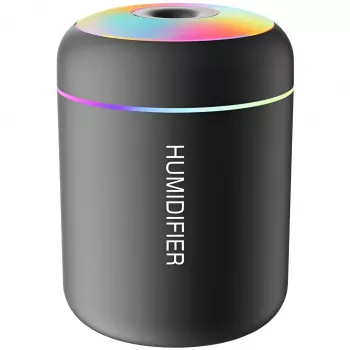
Small recovery rituals can also reinforce the habit loop. A calming environment after training can make it easier to repeat tomorrow. If you like a cozy wind-down routine, the Mini USB Aroma Humidifier & Essential Oil Diffuser with Soft LED Light can pair nicely with stretching, journaling, or bedtime habits.
For broader guidance on weekly activity targets, see the CDC recommendations for adults and the Physical Activity Guidelines for Americans.
A ready-to-use no-stress workout checklist
FAQ
How many days per week should a beginner work out to start?
Aim for 3–4 total movement days: 2 strength days plus 1–2 easy cardio/active days. If that feels like too much, use a 5–10 minute minimum session so you can stay consistent.
What if motivation is low and workouts keep getting skipped?
Lower the bar on purpose with a minimum viable workout (5–10 minutes), attach it to a fixed time anchor, and reduce friction by setting up your space and clothes ahead of time. Tracking checkboxes plus a quick mood/energy score can also make progress feel more immediate.
Do beginners need equipment for a starter routine?
No—bodyweight and household items can work extremely well at the start. Optional light dumbbells or a resistance band can help you progress over time, but consistency and good form matter most early on.
Recommended for you
Ultra Soft Microfiber Explained: Feel, Uses, Care
May 23, 2026











Leave a comment