-
Shop
- Advanced Technologies
- AI Skills Mastery 2026 Collection
- Beauty
- Best-Sellers
- Calvin Klein
- Car Accessories
- Car Buying & Ownership
- Dating & Social Confidence
- Dating & Social Skills
- Denim
- 7FOR
- AGOLDE
- Antony Morato
- Armani Exchange
- Boss
- Brunello Cucinelli
- Calvin Klein Jeans
- Costume National
- Desigual
- Diesel
- Dolce & Gabbana
- Dsquared²
- Ermanno Scervino
- Fendi
- Gianni Lupo
- Guess Jeans
- Ichi
- Just Cavalli
- Lee
- Levi's
- Liu Jo
- Morgan De Toi
- Mother Denim
- Only
- Pepe Jeans
- Pinko
- Replay
- Tommy Hilfiger Jeans
- Valentino
- Vero Moda
- Digital Resources
- Education & Learning
- Family & Parenting
- Fashion
- Alexander McQueen
- Bags & Wallets
- Balenciaga
- Belts
- Bottega Veneta
- Brunello Cucinelli
- Burberry
- Chanel
- Chloé
- Dior
- Dolce & Gabbana
- Etro
- Fendi
- Gucci
- Hats & Hair Accessories
- Jacquemus
- Jewelry
- Jil Sander
- Jimmy Choo
- Keychains
- Kiton
- Miu Miu
- Off-White
- Prada
- Rick Owens
- Saint Laurent
- Shoes
- Socks & Tights
- Sunglasses
- The Row
- Tom Ford
- Valentino
- Valentino Garavani
- Versace
- Vivienne Westwood
- Watches
- Fashion & Style
- Fashion Accessories
- Financial Education
- Find Your Path Collection
- Fitness
- Furniture
- Gadgets
- Health & Beauty
- Health & Wellness
- Home & Garden
- Home & Kitchen
- Home Styling & Organization
- Home Supplies
- Kids & Babies
- Kitchen
- Lighting
- Nike
- Online Business
- Online Business for Beginners
- Parenting
- Patio, Lawn & Garden
- Personal Growth
- Pet Care
- Pet Supplies
- Pets
- Smart Life with IA
- Sport & Outdoors
- Super Deals
- Travel
- Wealth
- Wealth Building
- Wellness
- YouTube Shorts Best-Sellers
- Popular
- Best deals
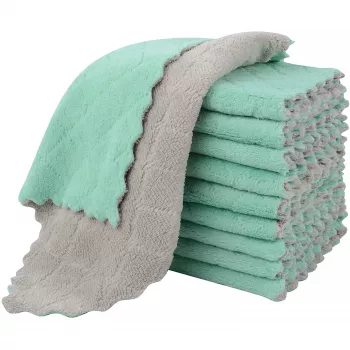
Ultra-Soft Microfiber Dishcloths: Absorbent 10-Pack
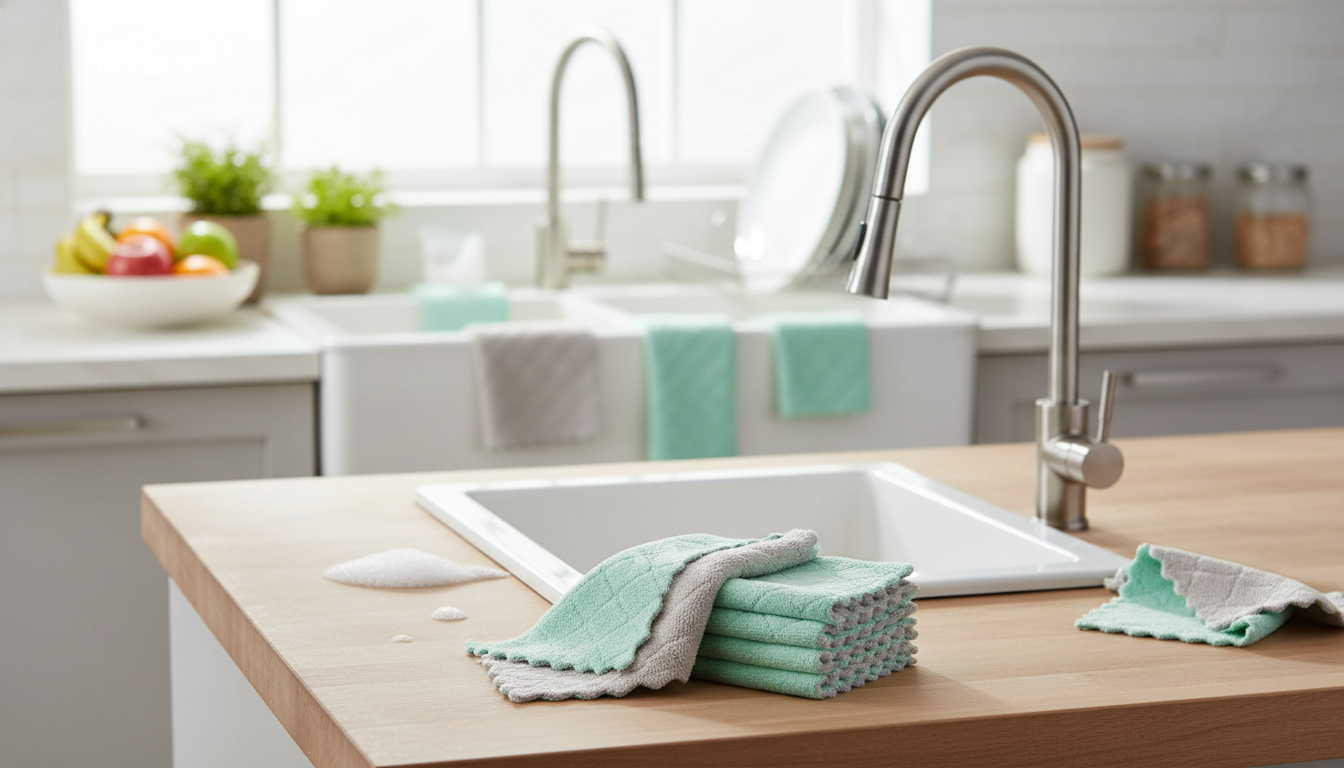
Ultra-Soft Microfiber Dishcloths for Faster, Gentler Kitchen Cleanup
A reliable set of dishcloths can make daily cleanup faster, gentler on surfaces, and less wasteful than disposable wipes. The Ultra-Soft Microfiber Kitchen Dishcloths, Highly Absorbent 10-Pack is designed for high absorbency and everyday kitchen tasks—from wiping counters to drying dishes—while staying soft enough for delicate finishes. With multiple cloths on hand, it’s easier to keep one clean for drying, another for counters, and a separate one for messier jobs that need immediate laundering. For more guidance, see 3 Pack Reusable, Super Absorbent Dish Towels For Kitchen.
What makes these dishcloths different
Microfiber dishcloths stand out because they combine a soft hand-feel with practical pickup power. Instead of pushing water around or leaving lint behind, a good microfiber cloth helps grab moisture and fine debris so you can finish quicker with fewer repeat passes. For further reading, see Pack Kitchen Towels | kitchentowels.org.
- Microfiber construction helps lift and trap moisture and fine debris for efficient wiping on common kitchen surfaces.
- Ultra-soft feel supports frequent use on glass, stainless steel, and coated cookware without the scratchy feel of traditional rags.
- Highly absorbent performance reduces the need for repeated passes when drying dishes or cleaning spills.
- 10-pack format makes it easier to rotate cloths through laundry and keep separate cloths for different tasks (dishes vs. counters vs. appliances).
Quick look: tasks and best-use tips
| Kitchen task | Why microfiber helps | Best practice |
|---|---|---|
| Wiping countertops | Captures moisture and small crumbs effectively | Use slightly damp for stuck-on residue; finish with a dry cloth for streak-free shine |
| Drying dishes and glassware | Absorbs water quickly to speed drying | Use a clean, dry cloth; reserve one cloth just for glass to reduce streaks |
| Cleaning stainless steel | Soft fibers are gentle while removing fingerprints | Wipe with the grain; buff dry to reduce haze |
| Quick spill pickup | High absorbency reduces drip spread | Blot first, then wipe; rinse cloth promptly to avoid odors |
| Appliance exteriors | Soft touch helps prevent micro-marring on glossy finishes | Avoid harsh cleaners; use warm water or a mild dish soap solution |
What ultra-soft microfiber is
Microfiber is a synthetic fiber (commonly polyester and polyamide/nylon) engineered to be much finer than a human hair. That ultra-fine structure creates dense surface area, which is why microfiber is known for grabbing moisture and picking up small particles more effectively than many standard cloths of similar size.
- Microfiber uses very fine synthetic filaments to create more surface contact for cleaning and drying.
- The “ultra-soft” feel typically comes from fine filament size, plush pile, and finishing that reduces stiffness.
- Because microfiber can hold water within its structure, it often feels more effective at drying than thin cotton cloths of similar size.
How it feels in hand and on surfaces
Soft microfiber typically feels smooth, plush, and slightly “grippy” in a way that helps it hold onto moisture rather than skating over it. That same quality can make it feel especially controlled when wiping down counters or polishing away smudges.
- On glass and stainless steel, soft microfiber can glide without the drag or lint that’s common with paper towels.
- For nonstick cookware, soft microfiber is a safer choice than abrasive scrub cloths when the goal is gentle wiping rather than heavy scouring.
- If the cloth feels too grabby on rough hands, dampen it slightly to improve glide while maintaining pickup.
For households that clean frequently, microfiber’s gentle touch can be a practical way to reduce the risk of tiny scratches on glossy or coated surfaces—especially when you reserve cleaner cloths for delicate jobs like glassware and appliance fronts.
Everyday ways to use a 10-pack
A 10-pack makes it easy to set up a simple system that keeps cleaning efficient and more hygienic. Instead of reusing the same cloth all day, you can swap quickly and launder more consistently.
- Create a rotation: keep 2–3 clean cloths accessible, 1 dedicated to drying, and the rest staged for quick swaps.
- Assign roles to reduce cross-contamination: one cloth for dishes, one for counters, one for stove and appliances, and one for “messy” jobs (followed by immediate laundering).
- Use placement (drawer sections or hooks) so everyone knows which cloth is for which task.
- For heavy spills, blot first to absorb, then follow with a second cloth for final wipe-down and a dry buff.
When a surface needs more than basic wiping—especially after handling raw foods—follow recognized cleaning and disinfecting guidance for your space and products. For general best practices, see the CDC’s cleaning and disinfecting guidance.
Care and washing for long-lasting softness and absorbency
If you prefer cleaning products with vetted ingredient standards, the EPA Safer Choice Standard is a helpful reference when choosing compatible cleaners for routine wipe-downs.
When to replace dishcloths
Product snapshot
If you want a simple way to keep multiple cloths in rotation for drying, wiping, and quick cleanup, the Ultra-Soft Microfiber Kitchen Dishcloths, Highly Absorbent 10-Pack is a practical everyday staple.
At-a-glance details
| Detail | Value |
|---|---|
| Pack size | 10 dishcloths |
| Material type | Microfiber (ultra-soft feel) |
| Primary benefit | Highly absorbent for kitchen cleanup |
| Current availability | In stock |
| Listed price | $14.51 USD |
More in-stock finds
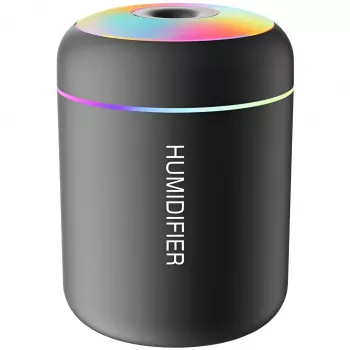
- Mini USB Aroma Humidifier & Essential Oil Diffuser with Soft LED Light
- 18K Rose Gold Moissanite Ring 0.3ct Square Diamond
FAQ
What is ultra soft microfiber?
Ultra soft microfiber is made from very fine synthetic fibers, usually a blend of polyester and polyamide/nylon. The “ultra soft” part generally refers to a plush, smooth finish and dense, fine filaments that help with gentle wiping and strong absorbency.
What does soft microfiber feel like?
Soft microfiber usually feels plush and smooth with a slightly grippy touch that helps it pick up moisture and fine particles. On surfaces like glass and stainless steel, it tends to glide without lint while staying gentle on coated or nonstick finishes.












Leave a comment