-
Shop
- Advanced Technologies
- AI Skills Mastery 2026 Collection
- Beauty
- Best-Sellers
- Calvin Klein
- Car Accessories
- Car Buying & Ownership
- Dating & Social Confidence
- Dating & Social Skills
- Denim
- 7FOR
- AGOLDE
- Antony Morato
- Armani Exchange
- Boss
- Brunello Cucinelli
- Calvin Klein Jeans
- Costume National
- Desigual
- Diesel
- Dolce & Gabbana
- Dsquared²
- Ermanno Scervino
- Fendi
- Gianni Lupo
- Guess Jeans
- Ichi
- Just Cavalli
- Lee
- Levi's
- Liu Jo
- Morgan De Toi
- Mother Denim
- Only
- Pepe Jeans
- Pinko
- Replay
- Tommy Hilfiger Jeans
- Valentino
- Vero Moda
- Digital Resources
- Education & Learning
- Family & Parenting
- Fashion
- Alexander McQueen
- Bags & Wallets
- Balenciaga
- Belts
- Bottega Veneta
- Brunello Cucinelli
- Burberry
- Chanel
- Chloé
- Dior
- Dolce & Gabbana
- Etro
- Fendi
- Gucci
- Hats & Hair Accessories
- Jacquemus
- Jewelry
- Jil Sander
- Jimmy Choo
- Keychains
- Kiton
- Miu Miu
- Off-White
- Prada
- Rick Owens
- Saint Laurent
- Shoes
- Socks & Tights
- Sunglasses
- The Row
- Tom Ford
- Valentino
- Valentino Garavani
- Versace
- Vivienne Westwood
- Watches
- Fashion & Style
- Fashion Accessories
- Financial Education
- Find Your Path Collection
- Fitness
- Furniture
- Gadgets
- Health & Beauty
- Health & Wellness
- Home & Garden
- Home & Kitchen
- Home Styling & Organization
- Home Supplies
- Kids & Babies
- Kitchen
- Lighting
- Nike
- Online Business
- Online Business for Beginners
- Parenting
- Patio, Lawn & Garden
- Personal Growth
- Pet Care
- Pet Supplies
- Pets
- Smart Life with IA
- Sport & Outdoors
- Super Deals
- Travel
- Wealth
- Wealth Building
- Wellness
- YouTube Shorts Best-Sellers
- Popular
- Best deals
Self-Cleaning Cat Litter Boxes: Odor Control & Less Scooping
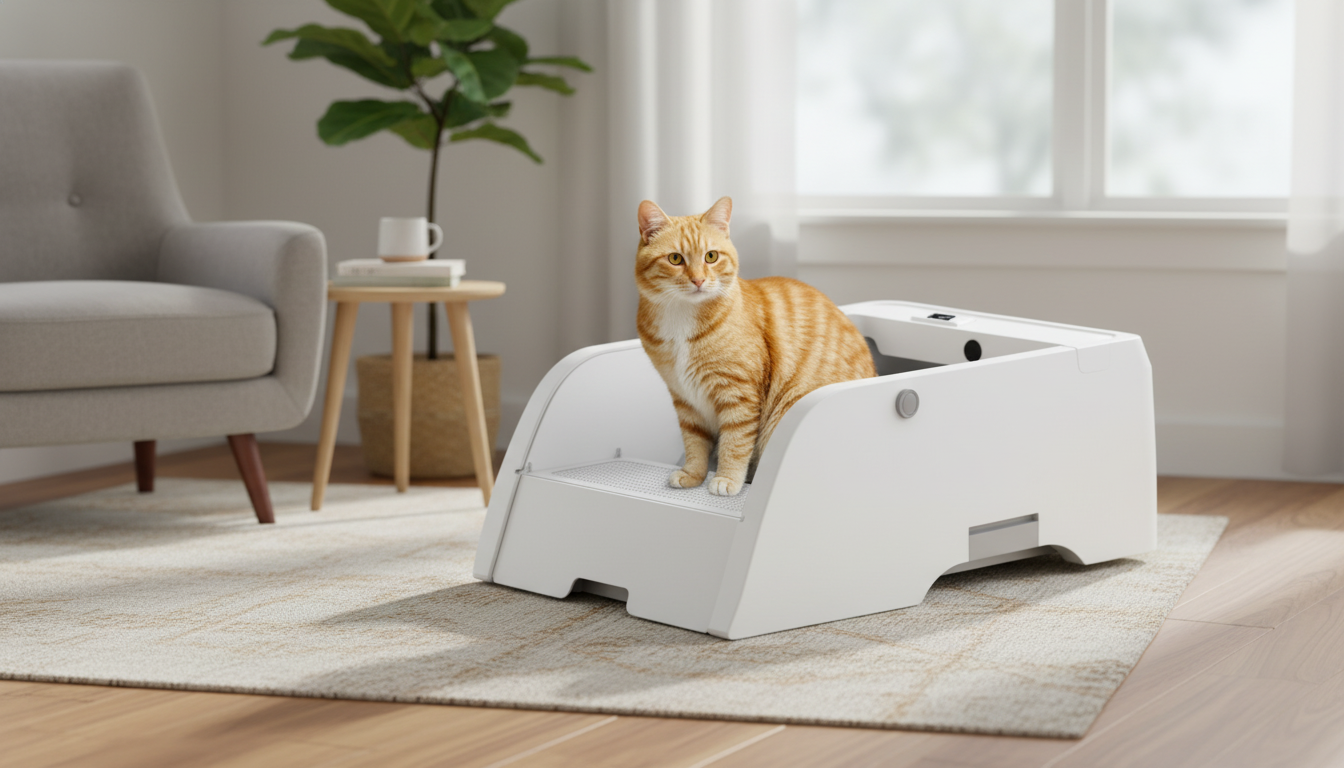
Self-Cleaning Cat Litter Boxes: Cleaner Floors, Fresher Air, Less Daily Scooping
A self-cleaning litter box automates the least pleasant part of cat care by separating waste after each use and storing it in a sealed compartment. With the right setup, it can cut down on lingering odors, keep litter drier, and help multi-cat homes stay consistently cleaner—without disrupting a cat’s routine. The goal isn’t “set it and forget it,” but a more manageable daily rhythm that still keeps hygiene and health monitoring front and center.
How self-cleaning litter boxes work
Most automatic litter boxes follow the same basic sequence: detect use, wait, then clean. The differences come down to how they separate waste and how well they control odor.
- Sensors track entry and exit. Weight, motion, or infrared sensors detect when a cat enters and leaves, then trigger a timed cycle so the box doesn’t move while your cat is inside.
- A cleaning mechanism separates waste. Depending on the design, a rake, rotating drum, or sifting screen isolates clumps and solids while clean litter stays in the basin.
- Delay settings help clumps form. Many units let you choose a longer pause before cleaning, which is especially helpful for fast-absorbing clumping litter and for cats that dislike sudden movement.
- Waste drops into a covered bin. Sealed waste drawers (sometimes with carbon filters or gaskets) are the main defense against ammonia smell between emptying days.
Before buying, it helps to understand four parts: the cleaning mechanism, safety sensors, deodorizing/airflow features, and the waste drawer (how it seals, how it’s lined, and how easy it is to remove).
Who benefits most (and when to skip automation)
Automatic litter boxes can be a genuine quality-of-life upgrade, but they’re not the best fit for every home or every cat.
- Busy schedules: Great for people who want to reduce day-to-day scooping, as long as you still commit to regular waste-bin emptying and quick wipe-downs.
- Small spaces and apartments: Helpful when odor control matters most—especially with frequent waste-bag changes and a litter that clumps firmly and dries quickly.
- Multi-cat households: Consistent cleaning can prevent “box guarding” and reduce refusal, but capacity and cycle reliability matter more when multiple cats share a unit.
- When to wait: Consider delaying the switch if a cat is highly anxious, has mobility limitations that make a high entry difficult, or is being monitored for urinary issues where close observation of output is essential.
For general cat-care guidance and routine hygiene best practices, reputable references like the American Veterinary Medical Association (AVMA) and the ASPCA are useful starting points.
What to look for before buying
Two automatic boxes can look similar and perform very differently. These practical checks help you avoid the most common disappointments: noise, odor leakage, messy tracking, and finicky cleaning.
- Safety and reliability: Look for anti-pinch design, dependable entry/weight sensors, and automatic pause/stop behavior if movement is detected.
- Size and comfort: Check interior turning room and entry height—especially for large cats or seniors who prefer a low step-in.
- Odor containment: Prioritize a sealed waste drawer, quality gaskets, and optional carbon filtration to limit ammonia buildup.
- Noise level: Motor tone and cycle length matter, particularly if the box is near bedrooms or tends to run at night.
- Cleaning workload: The best units make the “unavoidable” jobs quick: removing the bin, replacing liners, and wiping surfaces without full disassembly.
- Litter compatibility: Confirm what the manufacturer supports (clumping clay, plant-based, silica). Using the wrong grain size or type can lead to poor separation or jams.
Quick comparison checklist
| Feature | Why it matters | What to verify |
|---|---|---|
| Safety sensors | Prevents movement while a cat is inside | Auto-stop/pause, anti-pinch, stable base |
| Waste drawer seal | Controls odor between emptying | Tight gasket, covered chute, optional filter |
| Capacity | Fewer trips to empty waste | Bin volume, recommended cats, typical emptying interval |
| Noise | Reduces stress and avoidance | Decibel info if available, user-reported motor tone |
| Ease of cleaning | Less buildup and fewer smells | Smooth surfaces, removable parts, rinse-safe components |
| Litter type | Improves clumping and separation | Supported litter types and grain size guidance |
A closer look: Self-Cleaning Cat Litter Box 3.0
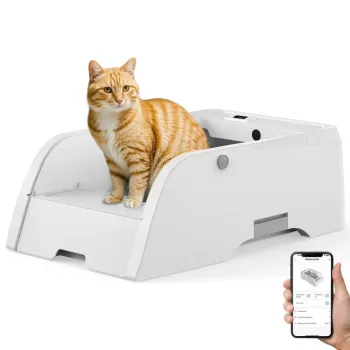
If the main objective is fewer daily scooping sessions with steadier cleanliness, the Self-Cleaning Cat Litter Box 3.0 is designed to automatically separate waste and store it in a dedicated compartment. Like all automatic boxes, it performs best when paired with a consistent routine: empty the waste bin before it’s packed, top off litter to the recommended level, and plan periodic full litter changes to keep odors from building over time.
Setup and transition tips that reduce accidents
Maintenance and hygiene routine
If you use household cleaning products nearby, prioritize pet-safe handling and storage; the FDA’s pet safety guidance is a helpful reference for reducing accidental exposures.
Optional add-on for comfort (use with cat-safe caution)
- Water-only approach: If you add a diffuser/humidifier to your home, consider using it without essential oils and keep it away from litter areas.
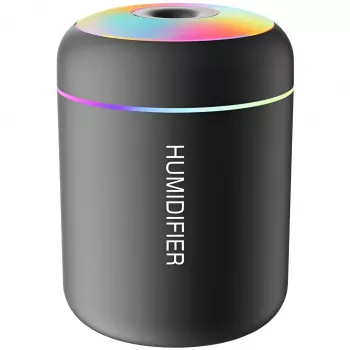
- Product option: Mini USB Aroma Humidifier & Essential Oil Diffuser with Soft LED Light (in stock).
FAQ
What is the best self-cleaning kitty litter box?
The best option is the one that matches your cat’s comfort and your home’s needs: reliable safety sensors, adequate interior space, strong odor sealing, and easy waste-drawer emptying. For multi-cat homes, prioritize capacity and consistent cycling; for small spaces, prioritize sealing and quiet operation.
What are the disadvantages of an automatic litter box?
Common downsides include a higher upfront price, reliance on power and mechanical parts, and cycle noise that may bother sensitive cats. They also still require consistent maintenance—emptying the waste bin, replacing liners/filters, and wiping surfaces—to prevent odors and clogs.











Leave a comment