-
Shop
- Advanced Technologies
- AI Skills Mastery 2026 Collection
- Beauty
- Best-Sellers
- Calvin Klein
- Car Accessories
- Car Buying & Ownership
- Dating & Social Confidence
- Dating & Social Skills
- Denim
- 7FOR
- AGOLDE
- Antony Morato
- Armani Exchange
- Boss
- Brunello Cucinelli
- Calvin Klein Jeans
- Costume National
- Desigual
- Diesel
- Dolce & Gabbana
- Dsquared²
- Ermanno Scervino
- Fendi
- Gianni Lupo
- Guess Jeans
- Ichi
- Just Cavalli
- Lee
- Levi's
- Liu Jo
- Morgan De Toi
- Mother Denim
- Only
- Pepe Jeans
- Pinko
- Replay
- Tommy Hilfiger Jeans
- Valentino
- Vero Moda
- Digital Resources
- Education & Learning
- Family & Parenting
- Fashion
- Alexander McQueen
- Bags & Wallets
- Balenciaga
- Belts
- Bottega Veneta
- Brunello Cucinelli
- Burberry
- Chanel
- Chloé
- Dior
- Dolce & Gabbana
- Etro
- Fendi
- Gucci
- Hats & Hair Accessories
- Jacquemus
- Jewelry
- Jil Sander
- Jimmy Choo
- Keychains
- Kiton
- Miu Miu
- Off-White
- Prada
- Rick Owens
- Saint Laurent
- Shoes
- Socks & Tights
- Sunglasses
- The Row
- Tom Ford
- Valentino
- Valentino Garavani
- Versace
- Vivienne Westwood
- Watches
- Fashion & Style
- Fashion Accessories
- Financial Education
- Find Your Path Collection
- Fitness
- Furniture
- Gadgets
- Health & Beauty
- Health & Wellness
- Home & Garden
- Home & Kitchen
- Home Styling & Organization
- Home Supplies
- Kids & Babies
- Kitchen
- Lighting
- Nike
- Online Business
- Online Business for Beginners
- Parenting
- Patio, Lawn & Garden
- Personal Growth
- Pet Care
- Pet Supplies
- Pets
- Smart Life with IA
- Sport & Outdoors
- Super Deals
- Travel
- Wealth
- Wealth Building
- Wellness
- YouTube Shorts Best-Sellers
- Popular
- Best deals
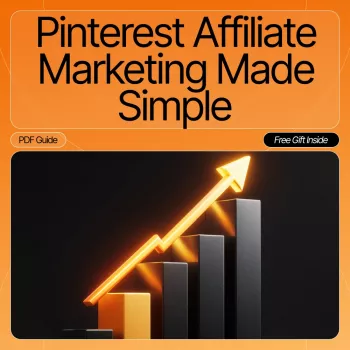
Pinterest Affiliate Marketing: Do You Need a Blog?

Do you need a blog or website to do affiliate marketing on Pinterest?
No—Pinterest affiliate marketing can work without a blog or website, as long as you follow Pinterest’s rules and the affiliate program’s terms. Many affiliates pin directly to an approved destination such as an affiliate product page, a brand’s landing page, or a retailer listing. The key is making sure the link is allowed, the pin is accurate, and the disclosure is clear.
When you can skip a website
You can often promote affiliate offers on Pinterest using direct affiliate links if (1) the affiliate network permits Pinterest traffic and direct linking, and (2) your links don’t trigger Pinterest’s spam filters. This approach is common for product-based programs where the end destination is a legitimate, relevant shopping page. Your pins should match the landing page exactly—avoid “bait and switch” messaging that promises one thing but sends users somewhere else.
To stay compliant, include a straightforward disclosure such as “affiliate link” or “#ad” in the pin description. Also, focus on pin quality: clear images, specific titles, and descriptions that help people understand what they’ll get after clicking.
Why having a website can still help
While not required, a website (or blog) can make affiliate marketing on Pinterest more stable and scalable. A site gives you a place to publish helpful content like product comparisons, gift guides, and how-to posts that naturally earn clicks. It can also improve trust, reduce the risk of rejected links, and let you capture email subscribers for long-term traffic beyond Pinterest.
A website is especially useful if an affiliate program forbids direct linking on social platforms or requires content pages for approval. In those cases, pinning to your own article or curated shop page can keep your account compliant while still driving conversions.
Best practices if you don’t have a site
Use a Pinterest Business account, write keyword-rich (but natural) descriptions, and create multiple pins per offer with different creatives. Start with a small set of reputable programs, track which pins get saves and clicks, and avoid shortening links if it causes redirects that look suspicious.
For more details and examples of what works, see the full guide here: Do you need a blog or website to do affiliate marketing on Pinterest?
FAQ
Can you use direct affiliate links on Pinterest?
Often yes, but it depends on the affiliate program’s rules and whether Pinterest accepts the destination link. Always add a clear disclosure and send users to a relevant, trustworthy landing page.
Recommended for you
Monthly Budgeting With Multiple Debts: Step-by-Step
May 21, 2026













Leave a comment