-
Shop
- Advanced Technologies
- AI Skills Mastery 2026 Collection
- Beauty
- Best-Sellers
- Calvin Klein
- Car Accessories
- Car Buying & Ownership
- Dating & Social Confidence
- Dating & Social Skills
- Denim
- 7FOR
- AGOLDE
- Antony Morato
- Armani Exchange
- Boss
- Brunello Cucinelli
- Calvin Klein Jeans
- Costume National
- Desigual
- Diesel
- Dolce & Gabbana
- Dsquared²
- Ermanno Scervino
- Fendi
- Gianni Lupo
- Guess Jeans
- Ichi
- Just Cavalli
- Lee
- Levi's
- Liu Jo
- Morgan De Toi
- Mother Denim
- Only
- Pepe Jeans
- Pinko
- Replay
- Tommy Hilfiger Jeans
- Valentino
- Vero Moda
- Digital Resources
- Education & Learning
- Family & Parenting
- Fashion
- Alexander McQueen
- Bags & Wallets
- Balenciaga
- Belts
- Bottega Veneta
- Brunello Cucinelli
- Burberry
- Chanel
- Chloé
- Dior
- Dolce & Gabbana
- Etro
- Fendi
- Gucci
- Hats & Hair Accessories
- Jacquemus
- Jewelry
- Jil Sander
- Jimmy Choo
- Keychains
- Kiton
- Miu Miu
- Off-White
- Prada
- Rick Owens
- Saint Laurent
- Shoes
- Socks & Tights
- Sunglasses
- The Row
- Tom Ford
- Valentino
- Valentino Garavani
- Versace
- Vivienne Westwood
- Watches
- Fashion & Style
- Fashion Accessories
- Financial Education
- Find Your Path Collection
- Fitness
- Furniture
- Gadgets
- Health & Beauty
- Health & Wellness
- Home & Garden
- Home & Kitchen
- Home Styling & Organization
- Home Supplies
- Kids & Babies
- Kitchen
- Lighting
- Nike
- Online Business
- Online Business for Beginners
- Parenting
- Patio, Lawn & Garden
- Personal Growth
- Pet Care
- Pet Supplies
- Pets
- Smart Life with IA
- Sport & Outdoors
- Super Deals
- Travel
- Wealth
- Wealth Building
- Wellness
- YouTube Shorts Best-Sellers
- Popular
- Best deals
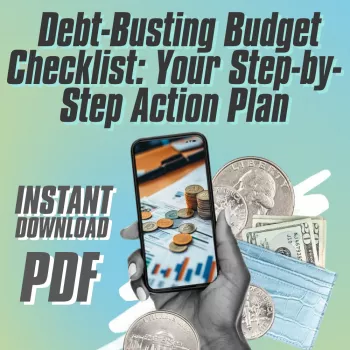
Printable Budget Planner for Monthly Debt Payment Tracking

How do you use a printable budget planner to track debt payments each month?
A printable budget planner makes debt payoff feel concrete because every payment has a place to live on paper. Start by gathering your current statements (or loan portals) so your numbers are accurate for the month you’re tracking.
1) List every debt with the details that matter
On a debt overview page (or a dedicated section of your planner), write each balance, minimum payment, due date, and APR/interest rate. Add the payment method (autopay vs. manual) and the account nickname you’ll recognize. This becomes the snapshot you’ll reference all month.
2) Create a monthly “debt payment plan” before the month begins
On the monthly budget page, set a single “Debt Payments” category, then break it into sub-lines for each account. Assign the minimum to every debt first. If there’s extra money available, label it clearly (for example, “Extra to Card A”) so you know exactly where additional dollars are going.
3) Align due dates with your paycheck calendar
Use the calendar portion of your planner to write the due date for each payment, then note which paycheck covers it (Paycheck #1 or #2). This prevents missed payments and reduces the temptation to “borrow” from money needed for bills later in the month.
4) Track payments in two places: planned vs. actual
When you pay, record the amount and date in the transaction tracker (actuals). Then, check off the corresponding line in your debt plan (planned). If you pay more than planned, circle it or highlight it—this shows momentum. If you pay less, note why so you can adjust next month.
5) Do a quick month-end review to stay consistent
At the end of the month, compare each debt’s planned total to actual payments and update the remaining balances. Carry forward only the numbers that changed (new balances, updated minimums, new due dates). For a deeper walkthrough, visit the full guide here.
FAQ
What’s the best way to prioritize debts in a budget planner?
Cover all minimum payments first, then send any extra money to one target debt using either the avalanche method (highest interest first) or the snowball method (smallest balance first). Keep the target consistent for the month so your tracking stays clear.
Recommended for you


Pinterest Affiliate Links: Direct Pins, Rules & Tips
May 21, 2026
Pinterest Affiliate Marketing: Do You Need a Blog?
May 21, 2026













Leave a comment