-
Shop
- Advanced Technologies
- AI Skills Mastery 2026 Collection
- Beauty
- Best-Sellers
- Calvin Klein
- Car Accessories
- Car Buying & Ownership
- Dating & Social Confidence
- Dating & Social Skills
- Denim
- 7FOR
- AGOLDE
- Antony Morato
- Armani Exchange
- Boss
- Brunello Cucinelli
- Calvin Klein Jeans
- Costume National
- Desigual
- Diesel
- Dolce & Gabbana
- Dsquared²
- Ermanno Scervino
- Fendi
- Gianni Lupo
- Guess Jeans
- Ichi
- Just Cavalli
- Lee
- Levi's
- Liu Jo
- Morgan De Toi
- Mother Denim
- Only
- Pepe Jeans
- Pinko
- Replay
- Tommy Hilfiger Jeans
- Valentino
- Vero Moda
- Digital Resources
- Education & Learning
- Family & Parenting
- Fashion
- Alexander McQueen
- Bags & Wallets
- Balenciaga
- Belts
- Bottega Veneta
- Brunello Cucinelli
- Burberry
- Chanel
- Chloé
- Dior
- Dolce & Gabbana
- Etro
- Fendi
- Gucci
- Hats & Hair Accessories
- Jacquemus
- Jewelry
- Jil Sander
- Jimmy Choo
- Keychains
- Kiton
- Miu Miu
- Off-White
- Prada
- Rick Owens
- Saint Laurent
- Shoes
- Socks & Tights
- Sunglasses
- The Row
- Tom Ford
- Valentino
- Valentino Garavani
- Versace
- Vivienne Westwood
- Watches
- Fashion & Style
- Fashion Accessories
- Financial Education
- Find Your Path Collection
- Fitness
- Furniture
- Gadgets
- Health & Beauty
- Health & Wellness
- Home & Garden
- Home & Kitchen
- Home Styling & Organization
- Home Supplies
- Kids & Babies
- Kitchen
- Lighting
- Nike
- Online Business
- Online Business for Beginners
- Parenting
- Patio, Lawn & Garden
- Personal Growth
- Pet Care
- Pet Supplies
- Pets
- Smart Life with IA
- Sport & Outdoors
- Super Deals
- Travel
- Wealth
- Wealth Building
- Wellness
- YouTube Shorts Best-Sellers
- Popular
- Best deals
Smart Networking Systems for Marketers Scaling Online

Smart Networking for Ambitious Marketers: Practical Techniques for Scaling Online Businesses
Networking is a growth channel that compounds: stronger relationships create faster partnerships, better referrals, and higher-quality feedback loops. The difference between “busy” networking and “smart” networking is simple—smart networking is built on relevance, consistency, and next steps. The goal isn’t to collect contacts; it’s to build a small, trustworthy ecosystem that reliably produces collaborations, deal flow, and sharper decision-making.
What “smart networking” looks like for marketers who are scaling
Smart networking is a repeatable system that respects everyone’s time—including yours. It prioritizes relevance over reach, meaning fewer conversations with higher-fit people. It also builds a reputation asset: consistent value shared in public (posts, comments, resources) and in private (introductions, quick audits, templates, honest feedback).
Most importantly, smart networking connects actions to outcomes. That can be collaborations, lead flow, hiring, press opportunities, and faster learning loops. When you can point to how a relationship moved from “hello” to “next step,” you can scale the process without turning it into spam.
Choose the right networking lane for the outcome you want
Different goals require different connection points and different first messages. A partnership pitch sent like a client pitch will underperform, and vice versa. Pick the lane first, then tailor the approach.
| Goal | Best places to connect | First message approach | Success signal |
|---|---|---|---|
| Partnerships | Podcasts, newsletters, creator communities, industry Slack/Discords | Offer a specific co-promo idea with clear audience fit | A scheduled call or shared doc with next steps |
| Clients | LinkedIn, niche forums, webinars, referral partners | Share a quick observation + one actionable suggestion | A request for a short discovery call |
| Hiring | Portfolio sites, community channels, meetups | Ask about one project detail and invite a small paid trial | A completed trial task |
| Learning | X/LinkedIn lists, mastermind groups, conferences | Ask one focused question tied to their work | A useful reply or resource exchange |
For platform-specific mechanics (especially on LinkedIn), follow the current best practices for invitations and messaging limits from LinkedIn Help. The rules change; strong networking systems adapt without breaking trust.
Build a relationship pipeline (so networking doesn’t become random)
Pipeline thinking removes guesswork. Start by defining three tiers:
- A (high leverage): people with aligned audiences, distribution, or decision-making power, plus strong mutual fit.
- B (adjacent): operators and creators one step away from your core lane—often the best source of unexpected referrals.
- C (interesting): smart people you want to learn from, without forcing an immediate outcome.
Then set a weekly cadence you can sustain: 2 new connects, 5 value touches, 3 follow-ups, and 1 deeper conversation. Track context (where you met, what they care about, current priorities) and a single “next action date.” A spreadsheet or Notion database is enough; the consistency matters more than the tool.
High-conversion conversation starters that don’t feel like a pitch
The fastest way to get ignored is vague praise plus a vague ask. The fastest way to earn a reply is specificity plus a small, credible win.
- Lead with specificity: reference a concrete post, talk, case study, campaign teardown, or product detail.
- Offer a small win: a one-minute teardown, a short resource list, a template, or a relevant intro.
- Ask an easy question: one decision, one constraint, or one timing window.
- Avoid “pick your brain”: replace it with a clear reason and a clear ask (and a time box).
A practical persuasion lens helps here: people respond when the exchange feels fair, relevant, and low-friction. If you want a quick refresher on why reciprocity and consistency work, see Cialdini’s Principles of Persuasion.
Turn online presence into networking leverage
Your content is your “pre-meeting.” When done well, it reduces the amount of explaining you have to do in DMs and calls. Focus on proof and clarity:
- Publish proof: short case notes, before/after metrics, lessons learned, and why you made specific decisions.
- Make collaboration easy: a clear bio, a single-sentence offer statement, and a simple “work with” path.
- Create conversation surface area: resource threads, mini-tools, swipe files, lists, and frameworks people can react to.
- Be discoverable: consistent topics, consistent formats, and consistent engagement with peers (especially in comments).
If you want a ready-to-use structure for turning visibility into relationships, the Smart Networking for Ambitious Marketers (Digital Download PDF) is designed to function like an operating system: targets, scripts, tracking, and weekly routines you can repeat.
Follow-up systems that protect relationships (and increase replies)
Follow-up is where most value is created—and where most people get awkward. The fix is a schedule plus a rule: separate “nudge” from “new value.” Use time-boxed follow-ups (2 days, 7 days, 21 days, then a quarterly touch) and bring something useful when you can: an updated asset, a relevant insight, a short intro, or a clearer next step.
Also close loops politely. If the timing is off, offer a “park it” option (“No worries if now isn’t ideal—want me to check back next quarter?”). Keep promises small and fast: deliver what you offered in 24–72 hours whenever possible. Reliability is a networking advantage that compounds.
Collaboration playbooks marketers can repeat
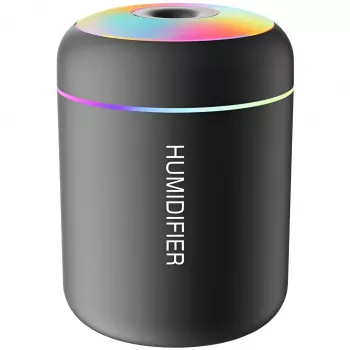
Networking is still work—so protect your energy. A small habit that helps: create a consistent “focus ritual” before your outreach block. Even a calmer workspace can make the cadence easier to sustain; the Mini USB Aroma Humidifier & Essential Oil Diffuser with Soft LED Light is a simple desk-friendly option for building that routine.
Using the PDF guide as an execution tool
FAQ
What is Victron VE Smart Networking?
Victron VE Smart Networking is a Bluetooth-based feature for certain Victron Energy devices (like solar chargers and battery monitors) that lets them share data with each other. It’s unrelated to marketing networking—the phrase “smart networking” can refer either to that device feature or to relationship-building systems for business growth, depending on context.
Recommended for you


Leather vs Nylon Cat Collars: Comfort, Fit & Safety
May 18, 2026













Leave a comment