-
Shop
- Advanced Technologies
- AI Skills Mastery 2026 Collection
- Beauty
- Best-Sellers
- Calvin Klein
- Car Accessories
- Car Buying & Ownership
- Dating & Social Confidence
- Dating & Social Skills
- Denim
- 7FOR
- AGOLDE
- Antony Morato
- Armani Exchange
- Boss
- Brunello Cucinelli
- Calvin Klein Jeans
- Costume National
- Desigual
- Diesel
- Dolce & Gabbana
- Dsquared²
- Ermanno Scervino
- Fendi
- Gianni Lupo
- Guess Jeans
- Ichi
- Just Cavalli
- Lee
- Levi's
- Liu Jo
- Morgan De Toi
- Mother Denim
- Only
- Pepe Jeans
- Pinko
- Replay
- Tommy Hilfiger Jeans
- Valentino
- Vero Moda
- Digital Resources
- Education & Learning
- Family & Parenting
- Fashion
- Alexander McQueen
- Bags & Wallets
- Balenciaga
- Belts
- Bottega Veneta
- Brunello Cucinelli
- Burberry
- Chanel
- Chloé
- Dior
- Dolce & Gabbana
- Etro
- Fendi
- Gucci
- Hats & Hair Accessories
- Jacquemus
- Jewelry
- Jil Sander
- Jimmy Choo
- Keychains
- Kiton
- Miu Miu
- Off-White
- Prada
- Rick Owens
- Saint Laurent
- Shoes
- Socks & Tights
- Sunglasses
- The Row
- Tom Ford
- Valentino
- Valentino Garavani
- Versace
- Vivienne Westwood
- Watches
- Fashion & Style
- Fashion Accessories
- Financial Education
- Find Your Path Collection
- Fitness
- Furniture
- Gadgets
- Health & Beauty
- Health & Wellness
- Home & Garden
- Home & Kitchen
- Home Styling & Organization
- Home Supplies
- Kids & Babies
- Kitchen
- Lighting
- Nike
- Online Business
- Online Business for Beginners
- Parenting
- Patio, Lawn & Garden
- Personal Growth
- Pet Care
- Pet Supplies
- Pets
- Smart Life with IA
- Sport & Outdoors
- Super Deals
- Travel
- Wealth
- Wealth Building
- Wellness
- YouTube Shorts Best-Sellers
- Popular
- Best deals
Dual Lens Cameras: Worth It or Overkill?
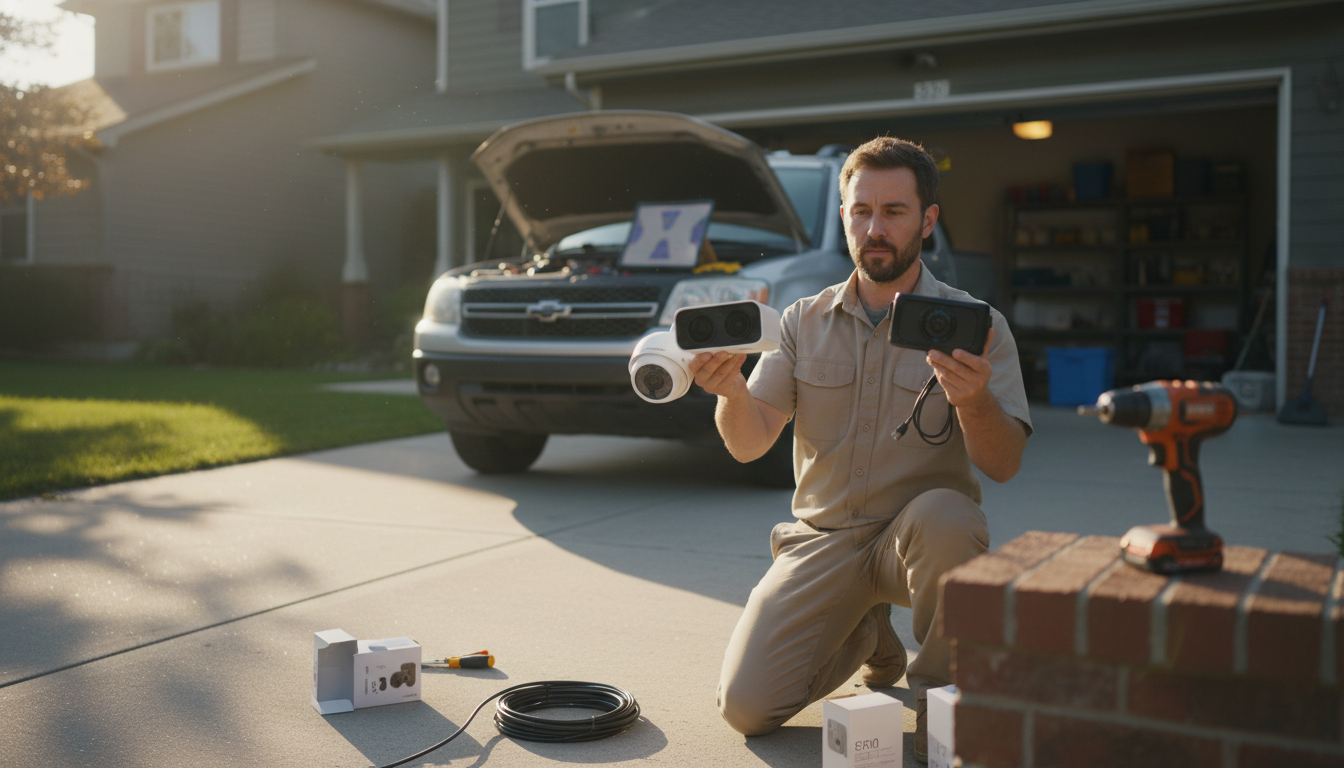
Are dual lens cameras worth it?
Dual lens cameras are worth it when you need better coverage, clearer context, or fewer blind spots than a single camera can provide. Two lenses can capture different perspectives at once—such as a wide overview plus a closer view—so you spend less time panning, zooming, or guessing what happened just outside the frame.
When dual lenses deliver real value
If you’re monitoring a larger space (like a nursery plus doorway, or a play area plus crib), a dual lens setup can reduce missed moments. One lens can stay wide to keep the whole room in view while the other tracks detail. This can be especially helpful when paired with features like split-screen viewing, smart alerts, and PTZ control, since you can confirm what triggered an alert without losing situational awareness.
When a single lens is enough
If the area is small and predictable—like a bassinet next to the bed—a quality single-lens camera with a wide field of view may cover everything you care about. In those cases, paying extra for a dual lens can add complexity without a meaningful improvement.
What to look for before paying more
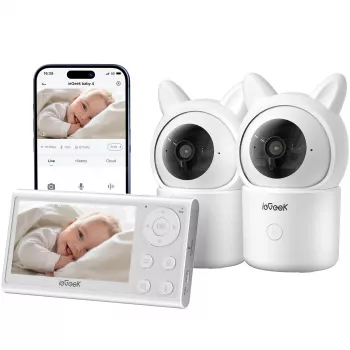
Dual lenses vary a lot in usefulness. Check whether the lenses provide truly different angles or zoom levels, how the app displays them (split screen vs. switching), and whether alerts can be tied to the lens that saw the event. Also consider low-light performance, Wi‑Fi stability, and how smooth the PTZ movement is—these often matter more day-to-day than the second lens alone.
For a practical breakdown of how dual-camera monitors work (including split-screen, PTZ coverage, and smart alerts), see the full guide here: https://luxian.shop/blog/guide-1080p-dual-camera-baby-monitor-ptz-split-screen-smart-alerts-tips/.
FAQ
What’s the difference between a dual lens camera and a PTZ camera?
A dual lens camera uses two separate lenses to capture different views at the same time, while a PTZ camera uses one lens that physically pans, tilts, and zooms to change the view. Dual lenses can show two perspectives simultaneously; PTZ changes perspective sequentially.















Leave a comment