-
Shop
- Advanced Technologies
- AI Skills Mastery 2026 Collection
- Beauty
- Best-Sellers
- Calvin Klein
- Car Accessories
- Car Buying & Ownership
- Dating & Social Confidence
- Dating & Social Skills
- Denim
- 7FOR
- AGOLDE
- Antony Morato
- Armani Exchange
- Boss
- Brunello Cucinelli
- Calvin Klein Jeans
- Costume National
- Desigual
- Diesel
- Dolce & Gabbana
- Dsquared²
- Ermanno Scervino
- Fendi
- Gianni Lupo
- Guess Jeans
- Ichi
- Just Cavalli
- Lee
- Levi's
- Liu Jo
- Morgan De Toi
- Mother Denim
- Only
- Pepe Jeans
- Pinko
- Replay
- Tommy Hilfiger Jeans
- Valentino
- Vero Moda
- Digital Resources
- Education & Learning
- Family & Parenting
- Fashion
- Alexander McQueen
- Bags & Wallets
- Balenciaga
- Belts
- Bottega Veneta
- Brunello Cucinelli
- Burberry
- Chanel
- Chloé
- Dior
- Dolce & Gabbana
- Etro
- Fendi
- Gucci
- Hats & Hair Accessories
- Jacquemus
- Jewelry
- Jil Sander
- Jimmy Choo
- Keychains
- Kiton
- Miu Miu
- Off-White
- Prada
- Rick Owens
- Saint Laurent
- Shoes
- Socks & Tights
- Sunglasses
- The Row
- Tom Ford
- Valentino
- Valentino Garavani
- Versace
- Vivienne Westwood
- Watches
- Fashion & Style
- Fashion Accessories
- Financial Education
- Find Your Path Collection
- Fitness
- Furniture
- Gadgets
- Health & Beauty
- Health & Wellness
- Home & Garden
- Home & Kitchen
- Home Styling & Organization
- Home Supplies
- Kids & Babies
- Kitchen
- Lighting
- Nike
- Online Business
- Online Business for Beginners
- Parenting
- Patio, Lawn & Garden
- Personal Growth
- Pet Care
- Pet Supplies
- Pets
- Smart Life with IA
- Sport & Outdoors
- Super Deals
- Travel
- Wealth
- Wealth Building
- Wellness
- YouTube Shorts Best-Sellers
- Popular
- Best deals
Wooden Counting Sticks: Easy Early Math at Home
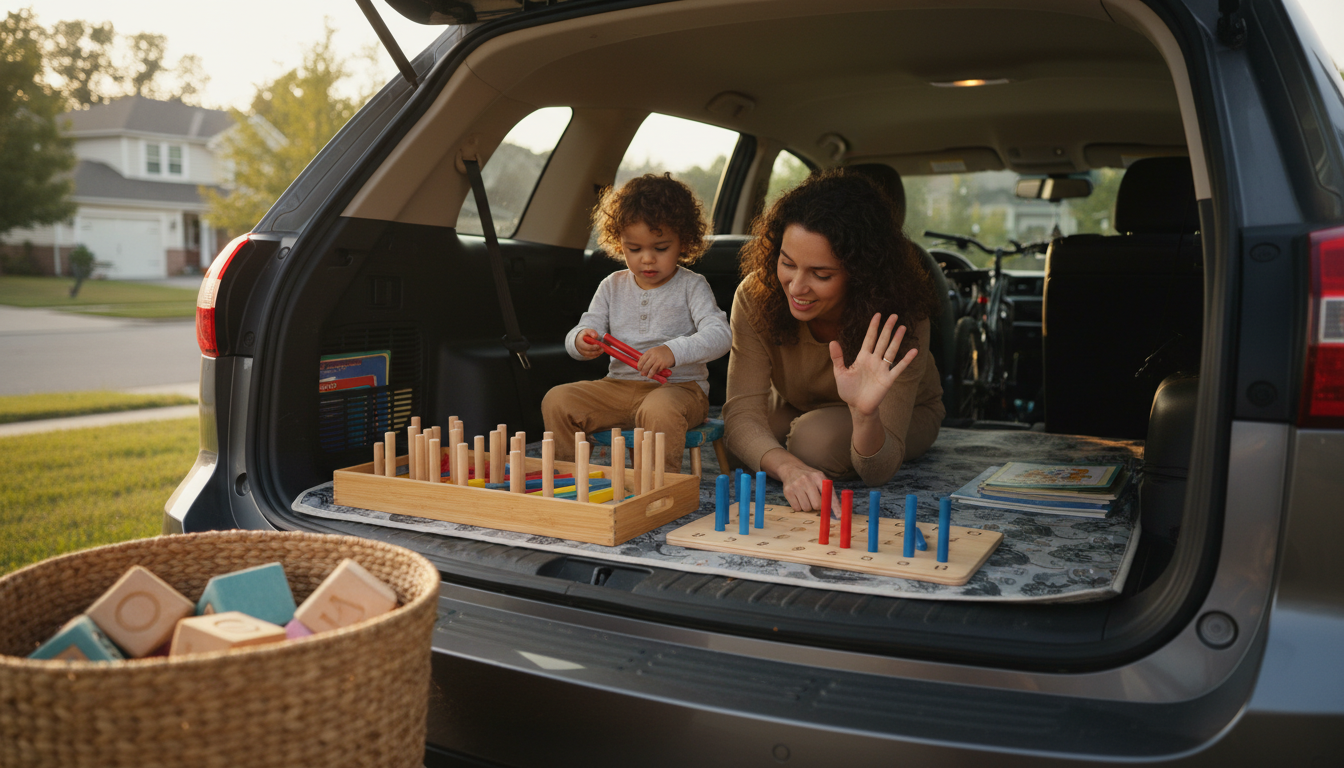
How do you use wooden counting sticks for early math at home?
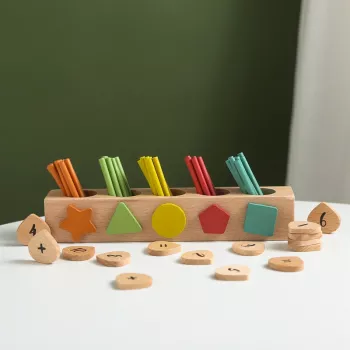
Wooden counting sticks are a simple, screen-free way to turn everyday moments into early math practice. Because kids can touch, move, and group the sticks, they make numbers feel real—especially for counting, comparing, and building basic operations at a comfortable pace.
Answer
1) Start with counting and one-to-one matching
Set out 5–10 sticks and ask your child to touch each stick as they count aloud. Then pair sticks with objects you already have: one stick per grape, one stick per toy car, or one stick per spoon. This helps connect spoken numbers to actual quantities.
2) Practice number recognition with quick builds
Call out a number and have your child “build it” by placing that many sticks in a line. For an extra step, write a numeral on paper (like 6) and have them match it by counting out six sticks. If they’re unsure, encourage recounting from the beginning—accuracy matters more than speed.
3) Introduce addition and subtraction as moving sticks
Use two small piles for addition: “Put 3 sticks here and 2 sticks there. How many altogether?” Then slide the piles together and count. For subtraction, start with a pile (like 7) and physically remove sticks: “Take away 2—how many are left?” The motion of joining and separating supports real understanding.
4) Work on sorting, patterns, and simple place value
Sort by length or color if your set varies, then count each group and compare: which has more, fewer, or the same? Make patterns (ABAB or AAB) and ask what comes next. If you have longer “tens” sticks and shorter “ones,” build numbers like 14 as one ten and four ones to introduce place value naturally.
5) Keep sessions short and playful
Two to five minutes is plenty for preschoolers. Stop while it’s still fun, and rotate activities so the sticks stay interesting.
For more hands-on ideas and step-by-step activities, visit the full guide: https://luxian.shop/blog/how-do-you-use-wooden-counting-sticks-for-early-math-at-home/.
FAQ
What age is appropriate for counting sticks?
Many children can start around ages 2–3 with simple counting and matching, then progress to addition, subtraction, and place value as they approach ages 4–7. Choose activities based on attention span and comfort with numbers.














Leave a comment